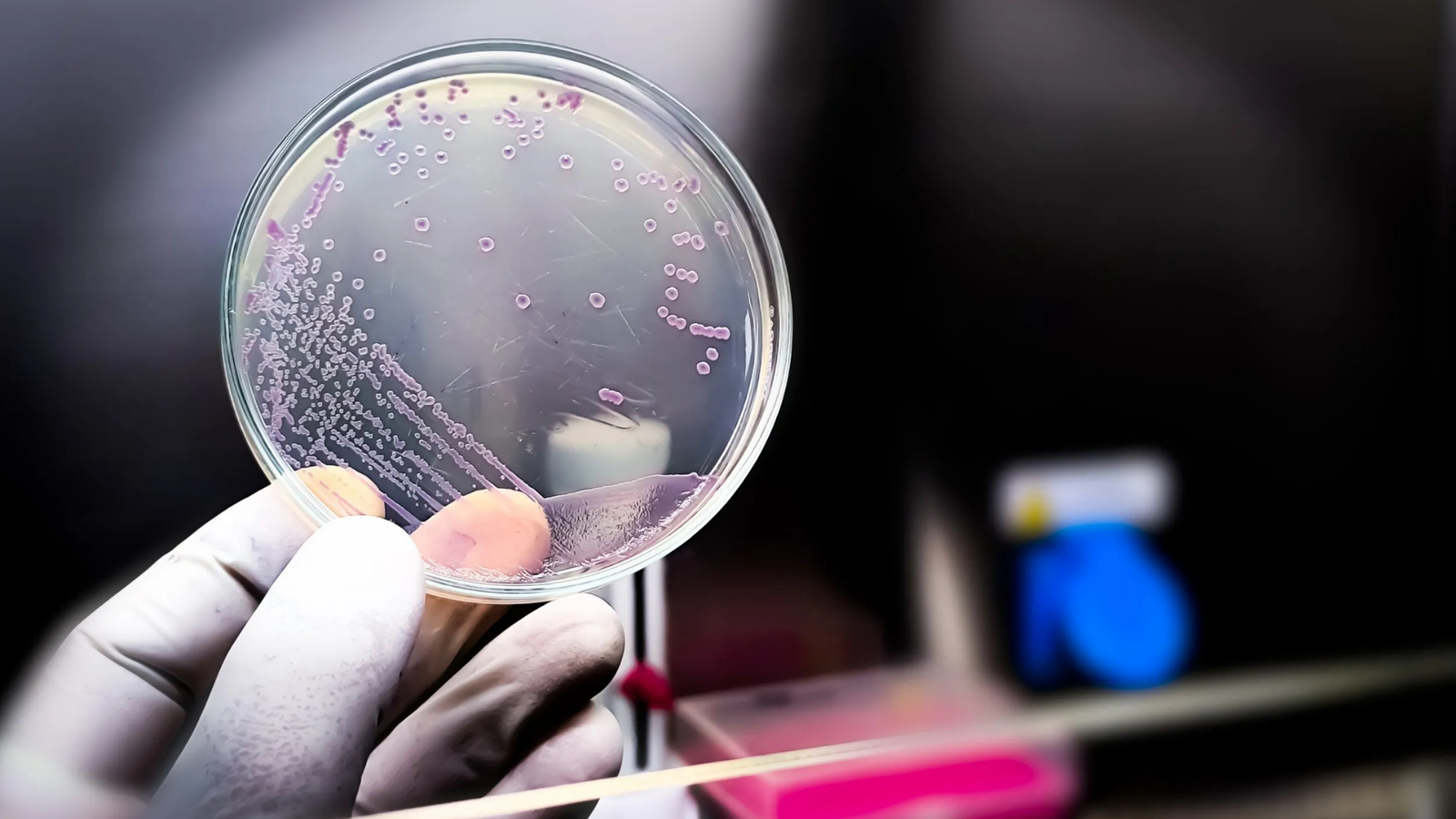
Artificial Intelligence has reached a stunning new milestone, with US researchers revealing they have used advanced generative models to design brand‑new viruses that are fully functional and capable of replicating inside a laboratory. It marks the first time in history that AI has successfully designed entire viral genomes from scratch.
The 16 newly created viruses are bacteriophages microbes that infect bacteria and pose no threat to humans but the achievement is being hailed as a “very significant turning point” that could transform medicine, biotechnology and the way scientists treat disease. At the same time, experts warn the development raises urgent safety and security concerns, underscoring the need for strict oversight as AI capabilities accelerate.
Researchers say designing a viable virus is far more complex than previous AI‑assisted breakthroughs, such as generating new antibiotics. The technology behind the work operates much like large language models, predicting sequences not of words, but of genetic code. In this case, the AI systems, named Evo1 and Evo2, learned the “language of life” by training on genetic material from viruses, bacteria, plants and humans.
Once trained, the models were refined to produce bacteriophages tailored to infect specific bacterial species. The resulting viruses were not only structurally sound but able to replicate, demonstrating that generative AI can now design biological systems with intricate, functional behaviour.
Scientists say the breakthrough could open the door to custom‑built viruses that target harmful bacteria, offering new ways to treat infections resistant to antibiotics. But the same technology, if misused, could pose risks a reality prompting calls for stronger global biosecurity frameworks.











+ There are no comments
Add yours