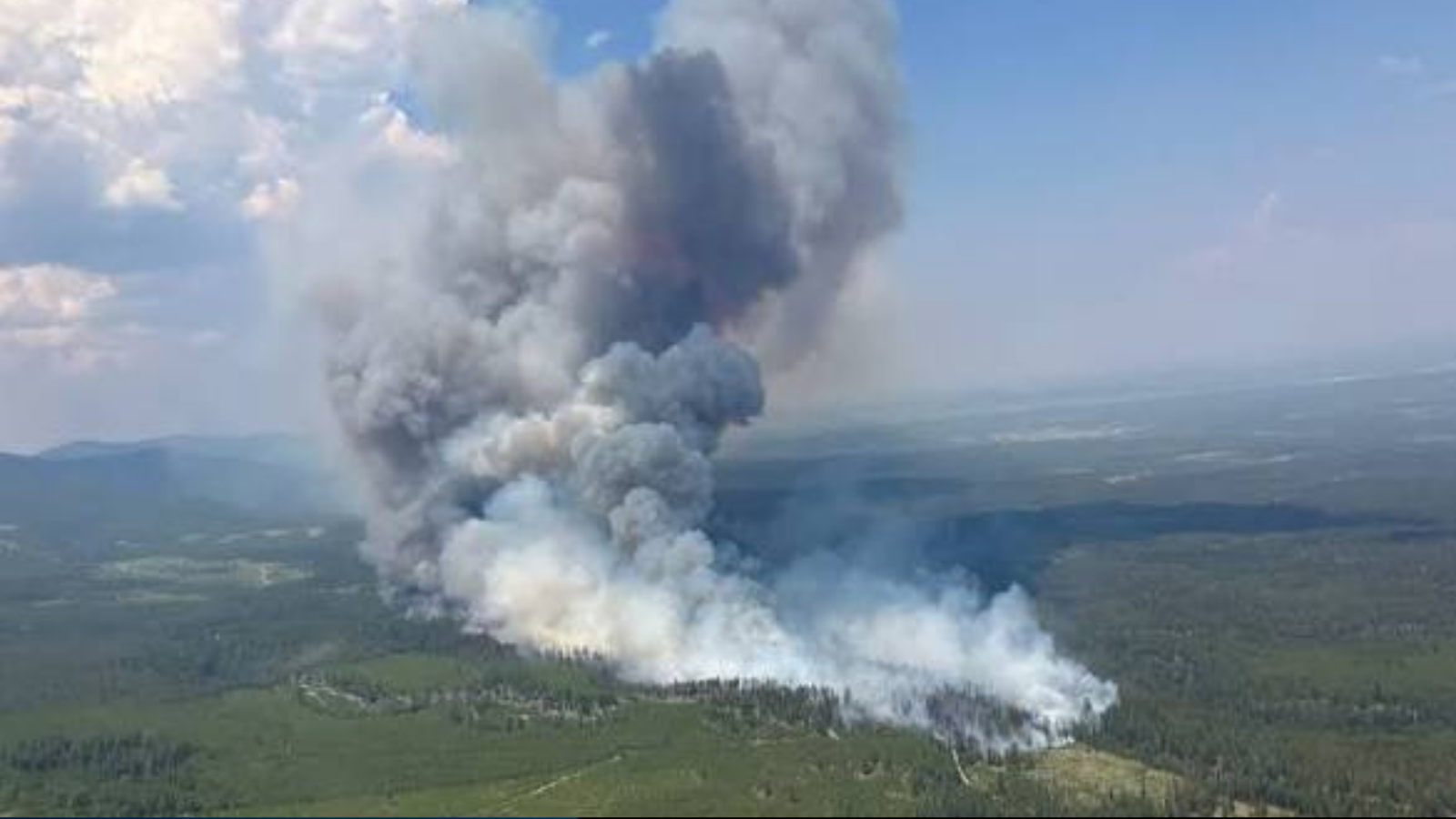
Canada is confronting one of the most intense wildfire seasons in its history, with nearly 1,000 active fires and an area the size of Belgium already scorched. Prime Minister Mark Carney said the country is only halfway through summer, yet virtually every province and territory has been affected by the relentless blazes.
The largest fire, burning in Ontario, has forced mass evacuations and sent thick smoke drifting as far as the U.S. East Coast. While recent rainfall has slowed some fire activity, more than 200 fires remained out of control on Monday, underscoring the scale of the crisis.
Canada has mobilised more than 5,000 firefighters, 300 water tankers, and the Canadian Armed Forces to battle the flames. So far, three million hectares about 7.4 million acres have burned nationwide. In Quebec, authorities said reinforcements from the United States and France arrived over the weekend to help manage the overwhelming workload in the province’s northwest.
But experts warn that even international support cannot fully contain the disaster. Yves Bergeron, a professor at the Center for Forest Studies at the University of Quebec at Montreal, said it is “unrealistic to think we would have enough firefighters to extinguish all these fires,” many of which are in remote, roadless regions. He stressed that the priority must be protecting communities and critical infrastructure.
As Canada braces for more heat and unpredictable weather, the country’s wildfire season is shaping into a defining environmental challenge one that demands unprecedented coordination, resilience and long‑term planning.









+ There are no comments
Add yours