
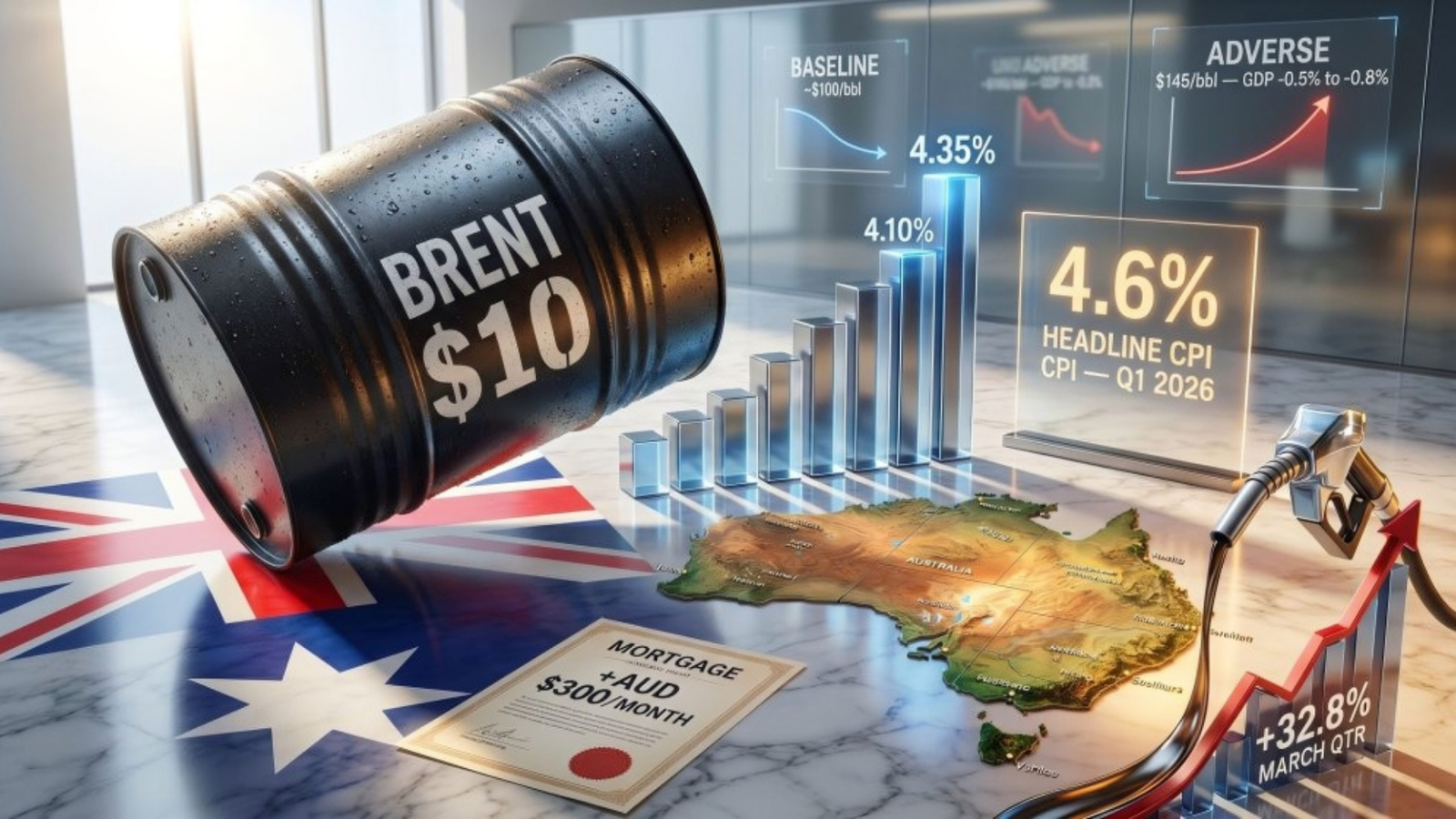
Australia’s economy expanded 2.5% annually in the March quarter unchanged from the previous quarter but quarterly growth slowed dramatically to just 0.3%, down from 0.9%, signalling a clear loss of momentum as higher interest rates and global instability weigh on activity.
The sharp deceleration coincided with the Reserve Bank’s February and March rate hikes, and the RBA itself expects conditions to weaken further, forecasting growth of just 1.9% over the year to June.
ABS head of National Accounts Grace Kim said the slowdown reflected modest household spending, softer public‑sector expenditure, and cyclone‑related disruptions to mining and exports. Rising interest rates and significantly higher fuel costs created “an environment for more cautious consumer behaviour,” she said, leading to reduced spending across multiple household categories.
Westpac economists noted earlier this week that the economy was already losing steam even before the Middle East conflict and the RBA’s recent rate increases had fully flowed through. They warned that the conflict’s economic headwinds will be more visible in the second quarter of 2026, raising the possibility of a quarterly contraction.
Despite the broader weakness, private investment surged 3.6%, driven by a 16.3% jump in machinery and equipment spending. The biggest contributor was a wave of data‑centre investment across New South Wales and Victoria. However, because most of the capital equipment was imported, the boost to GDP was offset by a large detraction from net trade.
Australia now faces a delicate balance: investment remains strong in key sectors, but household spending the backbone of the economy is softening under the weight of higher borrowing costs and global uncertainty.









+ There are no comments
Add yours