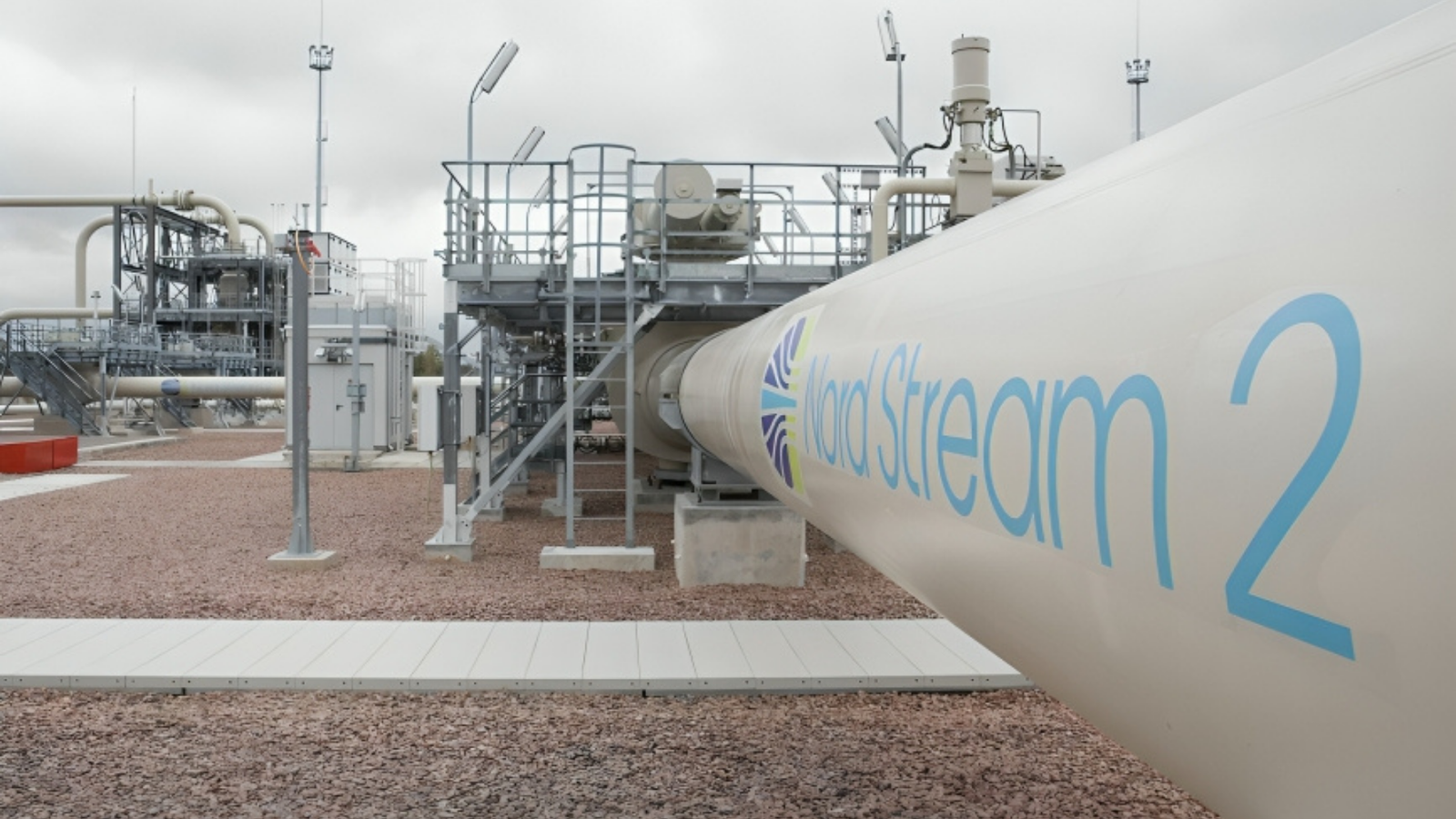
The company behind the Nord Stream 2 pipeline has taken the European Union to court, seeking to overturn the bloc’s binding phase‑out of Russian gas imports a move that could reignite one of Europe’s most contentious energy battles.
In a lawsuit filed with the EU’s General Court, Nord Stream 2 AG, the Swiss‑based and Gazprom‑owned operator of the pipeline, argues that the EU’s 2027 ban on Russian gas amounts to de facto expropriation, stripping the company of any commercial use of its multibillion‑euro infrastructure. The company claims the regulation “effectively deprives it of the opportunity to use its pipeline commercially,” without offering compensation.
The EU’s law, passed earlier this year, aims to end all Russian gas imports by late 2027 a dramatic break from the days when Russia supplied 40 per cent of Europe’s gas. That figure fell to 13 per cent last year as the bloc scrambled to sever energy ties following Moscow’s 2022 invasion of Ukraine.
The ban also extinguishes any prospect of reviving the Nord Stream network, which once promised to deliver 110 billion cubic metres of gas annually to Germany. Both Nord Stream 1 and Nord Stream 2 were crippled by explosions in August 2022. Russia has blamed Ukraine, while Kyiv has denied involvement. Only one of the four pipelines part of Nord Stream 2 remains intact, with President Vladimir Putin recently claiming it could begin pumping gas “tomorrow.”
Nord Stream 2 AG argues the EU used the wrong legal basis to pass the ban, saying such a sanction‑like measure should have required unanimous approval from all member states, not just a reinforced majority. The law was crafted specifically to bypass opposition from Hungary and Slovakia.
The pipeline, completed in 2021, never entered service. Germany froze its certification just days before Russia launched its full‑scale invasion of Ukraine in February 2022.
Neither Gazprom nor EU institutions have commented on the lawsuit, which was filed on April 27 and published last week in the EU’s official journal. The case now adds a new legal dimension to Europe’s ongoing effort to unwind decades of energy dependence on Russia.





+ There are no comments
Add yours