A new experimental drug, apitegromab, may help people taking popular obesity medications avoid the muscle loss often linked to rapid weight reduction a phenomenon some users have dubbed “Ozempic butt.” The findings, published in Nature Medicine, offer early but intriguing evidence that muscle decline doesn’t have to be an inevitable side effect of GLP‑1 weight‑loss treatments.
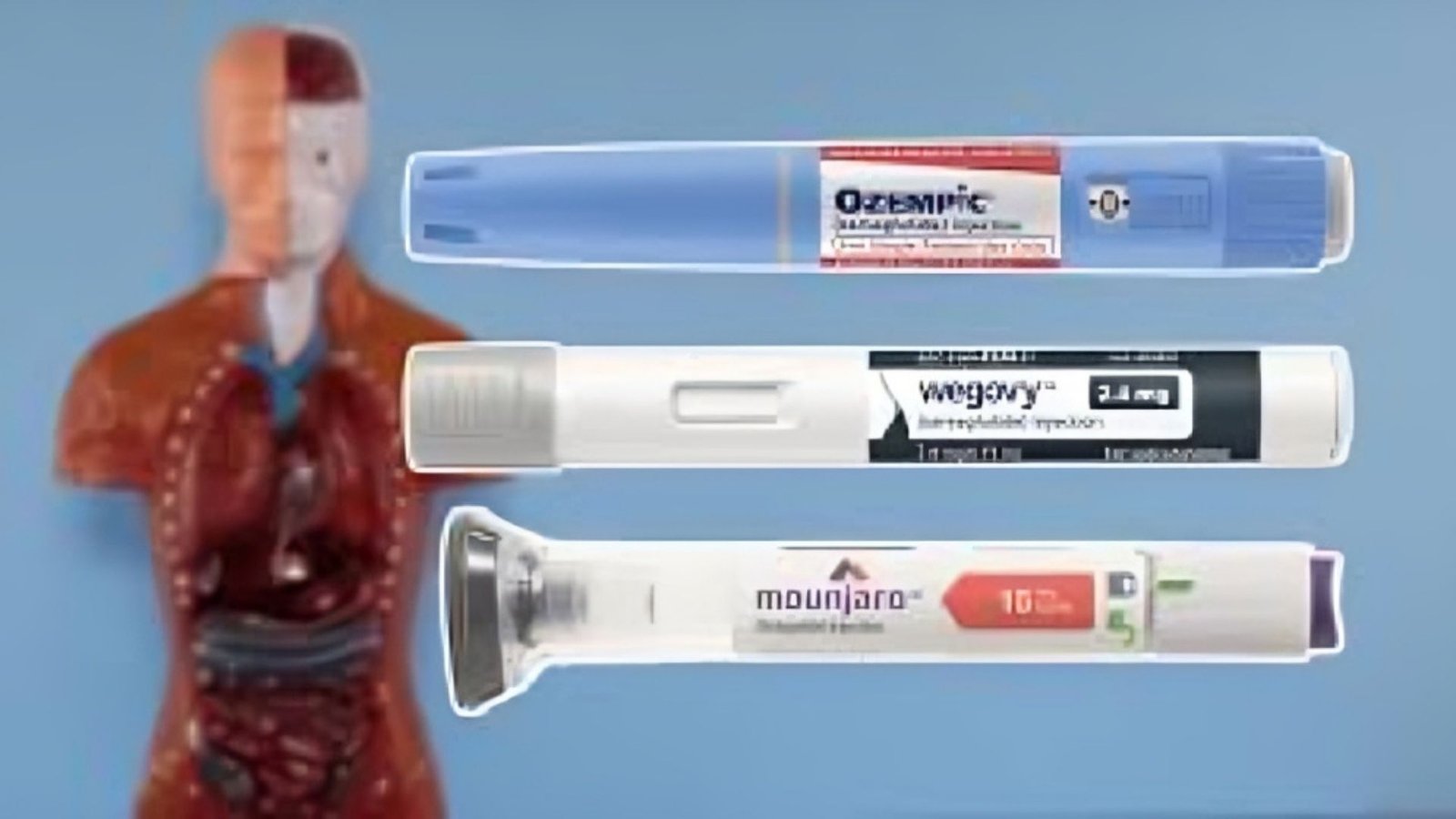
Research suggests that around one‑third of the weight lost on GLP‑1 drugs such as Wegovy, Ozempic, and Mounjaro can come from muscle rather than fat. That loss of lean mass can change body shape and make it harder to rebuild strength.
In a six‑month trial involving 102 adults, mostly women, participants who took apitegromab alongside Mounjaro preserved significantly more muscle while still shedding fat. Body scans showed they retained 1.9kg or 55% more lean mass than those who received a placebo. Muscle accounted for 14.6% of total weight loss in the apitegromab group, compared with 30.2% in the placebo group.
Experts caution that the results, while promising, are early evidence, not a green light for widespread use. Dr Marie Spreckley of Cambridge University said larger and longer studies are needed to determine whether preserving muscle improves strength, wellbeing, and long‑term health. Dr Brendan Gabriel from the University of Aberdeen added that the treatment may only benefit people who lose muscle particularly quickly.
GLP‑1 drugs work by reducing appetite and helping people feel full longer, leading to rapid weight loss. That speed rather than the drugs themselves is believed to drive the disproportionate loss of fat, muscle and tissue volume.
Some users report sagging or deflated body areas, including the backside, leading to the viral term “Ozempic butt.” US plastic surgeons say they’ve seen a noticeable rise in consultations about these changes.
People on GLP‑1 medications are already advised to eat well and include strength training to support muscle health.
Apitegromab, which blocks a protein involved in muscle breakdown, is currently available only in clinical trials and must be administered via IV infusion.
Its manufacturer which funded the study is exploring whether it could eventually be delivered through a self‑injecting pen, similar to GLP‑1 jabs. The drug is also being studied for conditions such as spinal muscular atrophy.
While the early data is encouraging, experts agree that more research is essential before apitegromab can be recommended as a companion therapy for weight‑loss medications.















+ There are no comments
Add yours