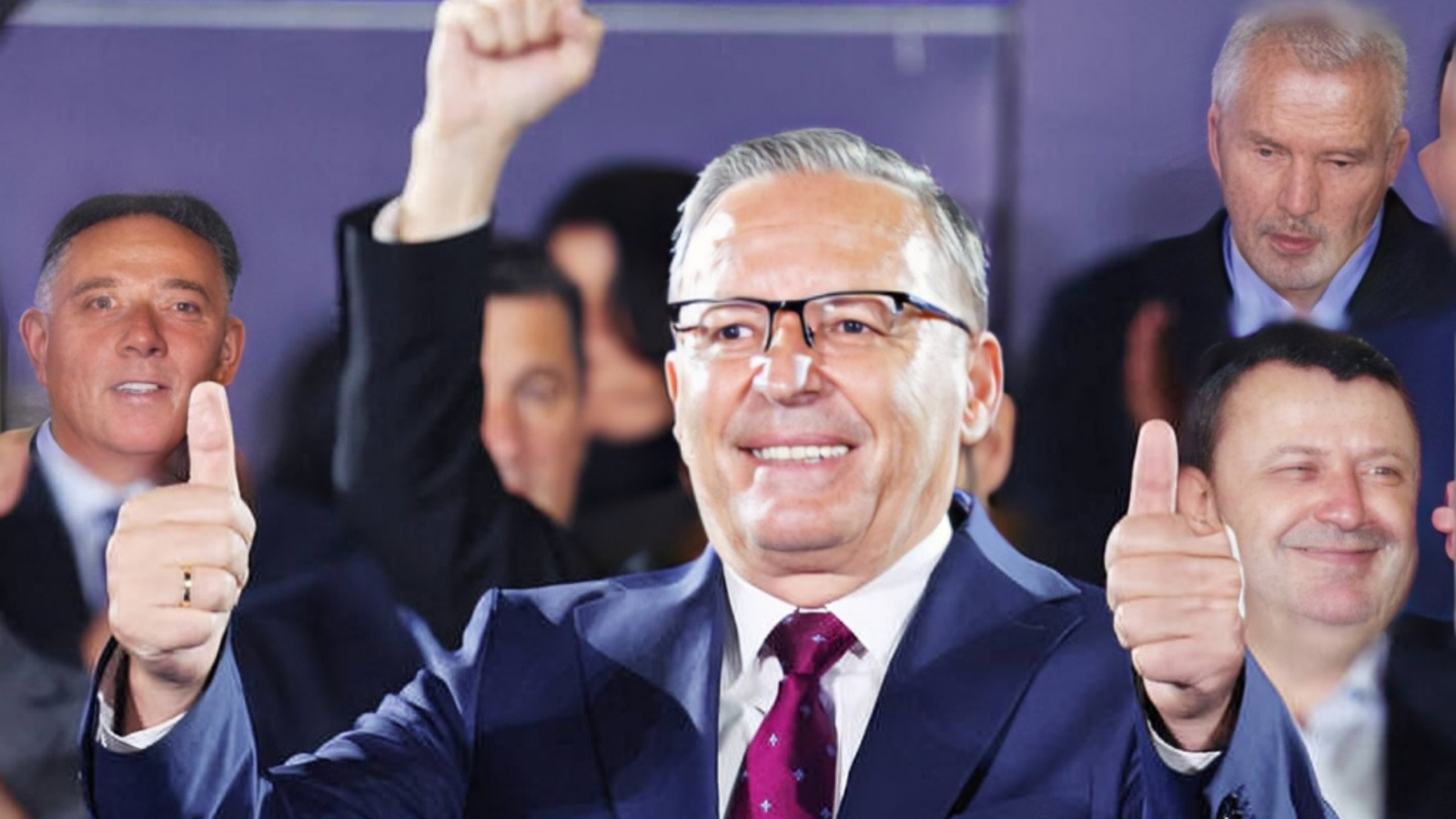
Kosovo will return to the polls on Sunday for its third parliamentary election in just 18 months, as the young Balkan nation struggles to break a prolonged political deadlock.
Europe’s youngest country has spent much of the past year without a functioning government after its fractured parliament failed first to elect a speaker and then a new head of state. The repeated stalemate has stalled key reforms and slowed Kosovo’s ambitions to move closer to the European Union.
No recent opinion polling has been conducted, but analysts expect Prime Minister Albin Kurti’s Vetevendosje party to finish ahead once again. Even so, they note that Kurti will still need to negotiate with opposition parties to secure the two‑thirds majority required to elect a new president the very hurdle that triggered the dissolution of parliament in April.
Vetevendosje won 51.1 percent of the vote in the December election, an increase from 42 percent in February 2025, yet still fell short of the consensus needed to fill the largely ceremonial presidency. The impasse forced another snap election, prolonging the political uncertainty.
The EU has urged Kosovo which declared independence from Serbia in 2008 to build stable institutions capable of delivering the reforms necessary for eventual membership. Kurti’s party, which first came to power in 2021 with a nationalist and welfare‑focused platform, maintains a firmly pro‑Western stance and opposes further concessions to Serbia, with tensions between the two remaining high.
More than 900 candidates from 17 parties and three coalition groups are competing for seats in the 120‑member parliament. Around 2.1 million voters are registered a figure that exceeds Kosovo’s 1.6 million residents due to its large diaspora, mostly based in Western Europe and generally supportive of Kurti’s movement.
As Kosovars prepare to vote yet again, the central question remains whether this election will finally deliver the stability the country has been seeking.



+ There are no comments
Add yours