
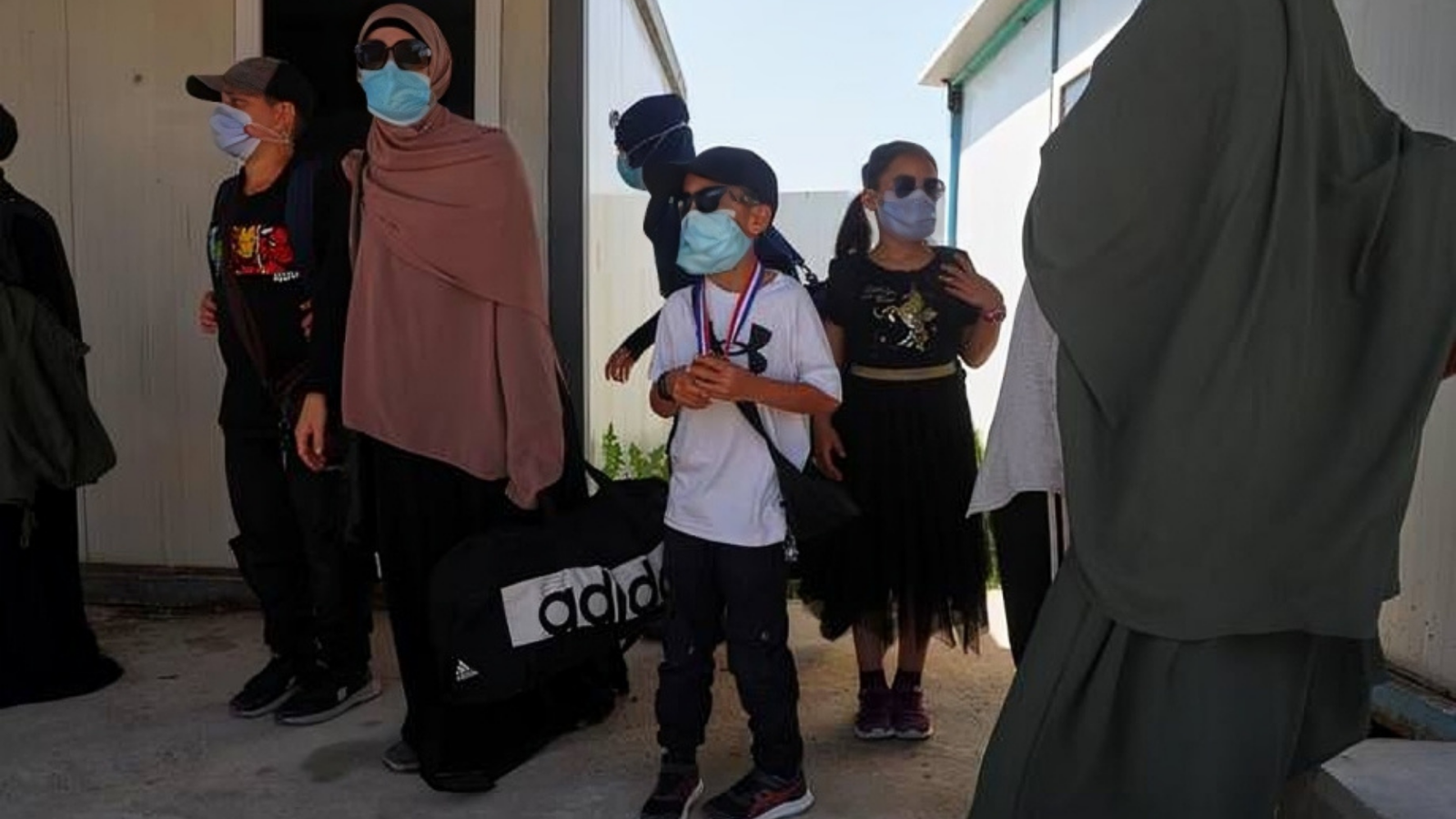
Australia is bracing for the return of 13 citizens linked to the extremist group Daesh, but the government has made one point unmistakably clear: they will receive no assistance of any kind. The group four women and nine children has been living in detention camps in Syria and now plans to travel back to Australia.
Home Affairs Minister Tony Burke said authorities have “very serious limits” on preventing Australian nationals from re-entering the country, but stressed that the government will not support individuals who chose to align themselves with a violent extremist movement. He described their past decisions as “appalling” and “disgraceful,” underscoring the government’s firm stance.
Burke warned that anyone suspected of criminal activity will “face the full force of the law without exception.” He did not outline specific charges but noted that law enforcement and intelligence agencies have been preparing for scenarios like this for more than a decade. Since 2014, Australia has maintained contingency plans to manage citizens returning from conflict zones or extremist networks.
Australian Federal Police Commissioner Krissy Barrett said some returnees may be arrested upon arrival, while others could remain under investigation. Children, she added, will be placed in reintegration and support programs designed to help them transition back into community life.
Between 2012 and 2016, several Australian women traveled to Syria to join their husbands, who were allegedly members of Daesh. After the collapse of the group’s so‑called caliphate in 2019, many were detained in camps such as Al‑Hol, a sprawling facility near the Iraqi border that housed families of suspected fighters captured during the US‑backed campaign.
The situation in Syria has shifted rapidly. In January, the United States began relocating detained Daesh members following the collapse of the Kurdish‑led Syrian Democratic Forces, which had been guarding multiple detention sites. By February, fewer than 1,000 families remained in the camps in Syria’s northeast.
As Australia prepares for the return of these 13 individuals, the government’s message remains unwavering: citizenship grants the right to come home, but not the right to expect help.








+ There are no comments
Add yours