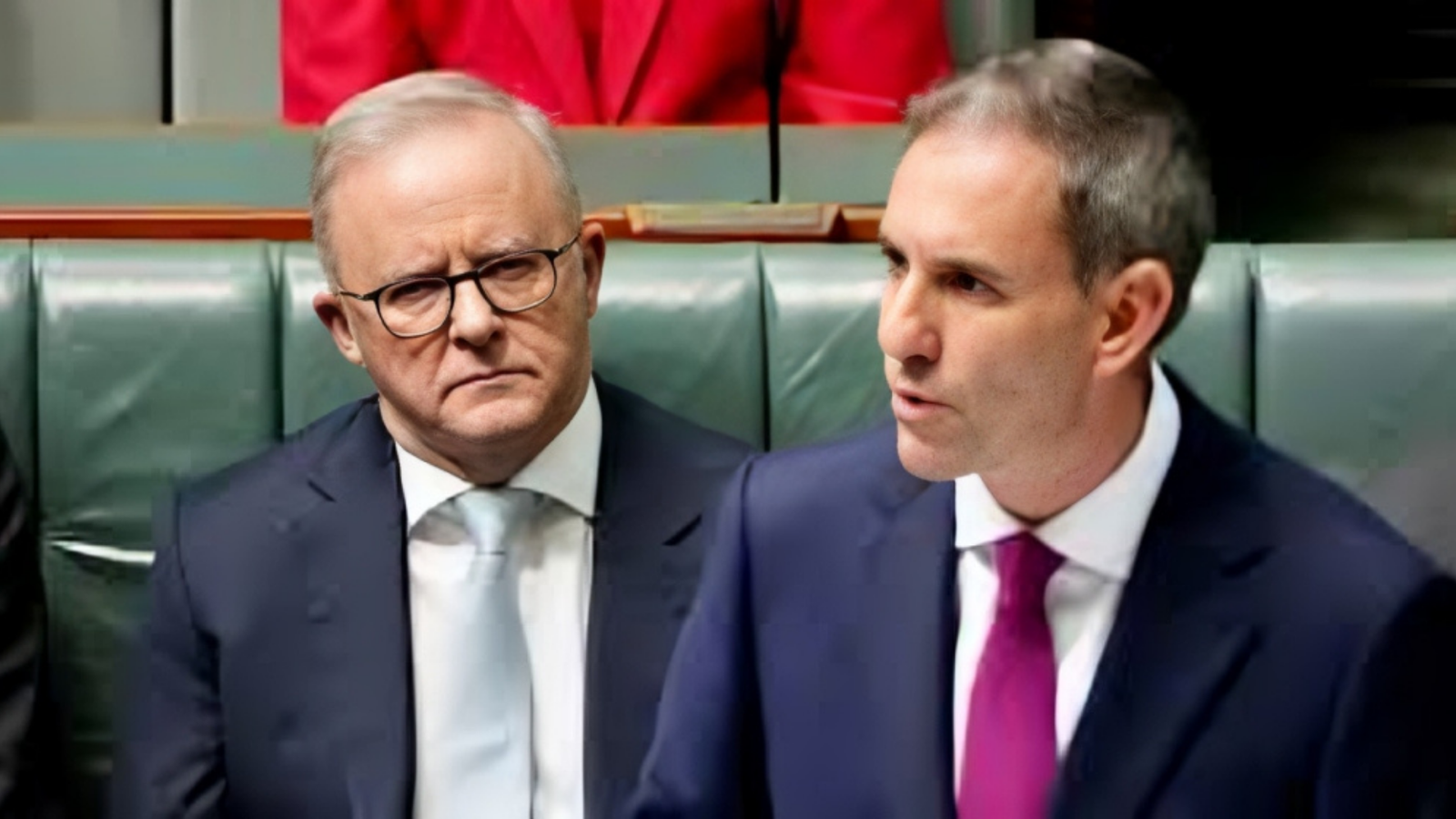
Prime Minister Anthony Albanese has acknowledged that the rapid rise of One Nation played a role in the government’s decision to pursue major tax reforms in this year’s federal budget a rare admission that political pressure helped shape economic policy.
Speaking at a Sky News economic summit in Sydney, Mr Albanese outlined the challenges confronting the economy, from global oil shocks and sluggish business investment to the rise of artificial intelligence and the worldwide shift toward clean energy.
He also defended the government’s contentious changes to capital gains tax and negative gearing, which have sparked strong backlash from business groups and contributed to a cooling housing market.
The prime minister argued that the reforms were necessary to correct distortions created by the Howard government’s 1999 capital gains tax changes, which he said had fuelled property speculation and turned housing into a dominant investment vehicle.
This year’s budget measures, he said, aim to restore balance and boost supply by ensuring investment decisions are driven by economic fundamentals rather than tax incentives.
But behind the economic rationale lies a political calculation. With One Nation’s support surging in recent polling, Mr Albanese admitted the government could not afford to “stand still” while voters increasingly turned to grievance‑driven alternatives.
The rise of populism, he warned, is a direct consequence of people feeling the economy “isn’t working for them.”
The prime minister’s comments underscore the high‑stakes environment in which the government is attempting to reshape Australia’s tax system a move that could redefine both the housing market and the political landscape ahead of the next federal election.









+ There are no comments
Add yours