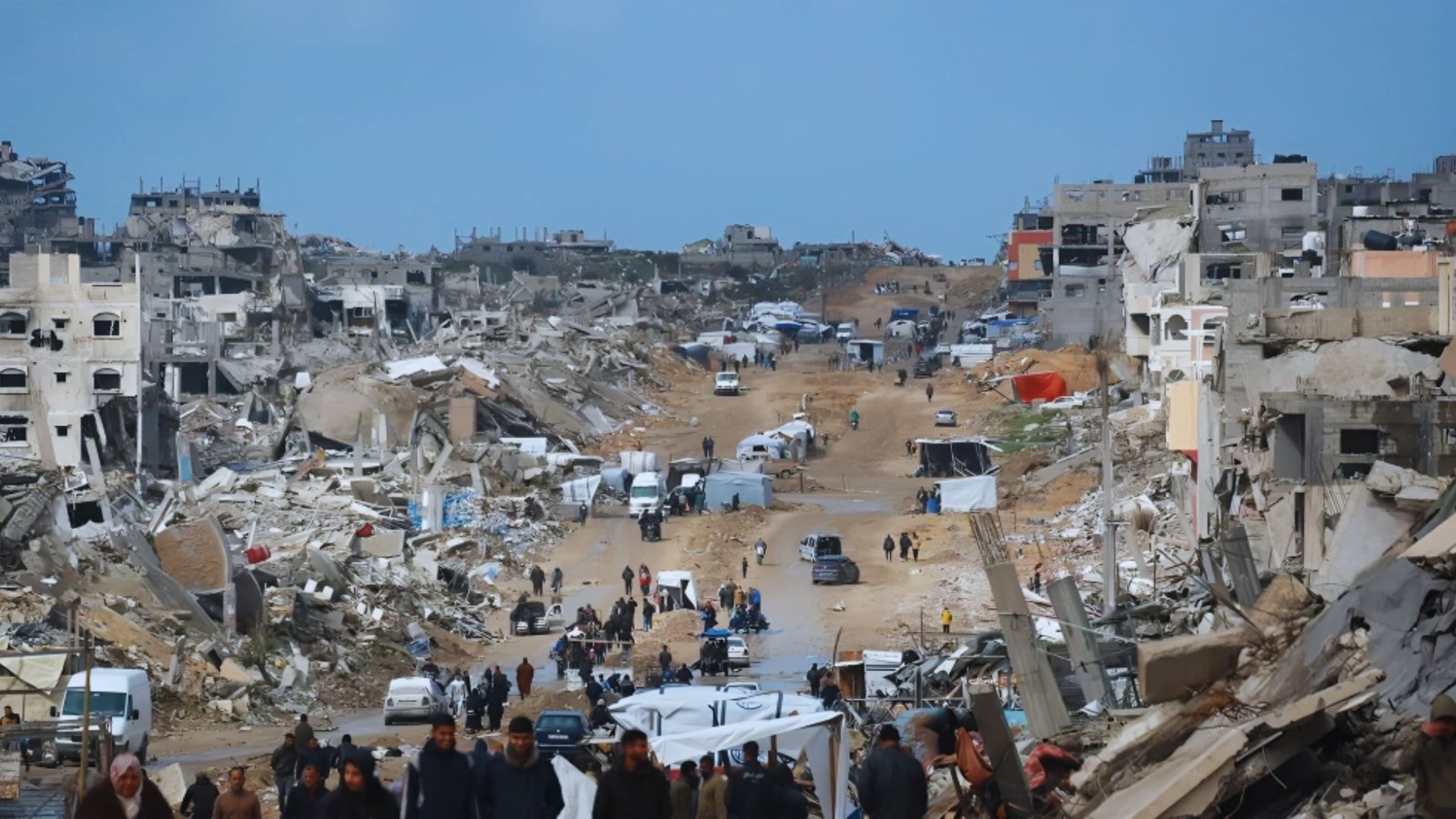
The Middle East war continues to send devastating human and economic shockwaves across the region and the world, with more than 5,000 people killed across Iran, Lebanon, Israel and several Gulf states, and critical infrastructure damaged in multiple countries. Iran’s near‑total chokehold on the Strait of Hormuz has severely restricted Persian Gulf oil and gas exports, fuelling a global energy crunch.
Reflecting the stakes, officials from China, Egypt, Saudi Arabia and Qatar have arrived in Islamabad to indirectly facilitate high‑risk ceasefire talks. Yet even as diplomacy gathers pace, Israel continued strikes in Lebanon on Saturday, while Iran insists any ceasefire agreement must include a halt to fighting there.
Economist Dr De Mello warned that headline inflation in Australia is likely to rise sharply. While some banks forecast inflation at 5.4 per cent, he said it could climb even higher as the energy shock ripples through supply chains.
Although the Strait of Hormuz is technically open, delays in shipping and refining mean fuel prices especially diesel could remain elevated for six to twelve months. “Transportation, agriculture, everything is going to cost a lot more and this is going to be passed on to consumers,” he said.
Even with fuel excise cuts, the economic strain is expected to intensify. Dr De Mello said another three interest rate hikes this year “would not be surprising,” noting that households are already stretched and wage growth has not kept pace with rising costs.
Qatar has signalled it could rebuild its damaged LNG facilities within five years a timeline Dr De Mello described as optimistic. LNG is critical for electricity generation in countries like Japan and Singapore, meaning higher LNG prices will push up electricity costs across Asia.
Australia, which imports refined fuel from Singapore and Japan, will feel the impact as those countries’ production costs rise.
Dr De Mello noted that supermarket prices have not yet surged in line with rising fertiliser and diesel costs key inputs for food production and transport. But he warned that the lag will end soon.
“The impacts are going to be felt towards the end of April and May,” he said, pointing to soaring shipping and insurance costs as major drivers.
With the war grinding on, the humanitarian toll mounting, and global supply chains under severe strain, economists warn that the world is only beginning to feel the full economic consequences of the crisis.






+ There are no comments
Add yours