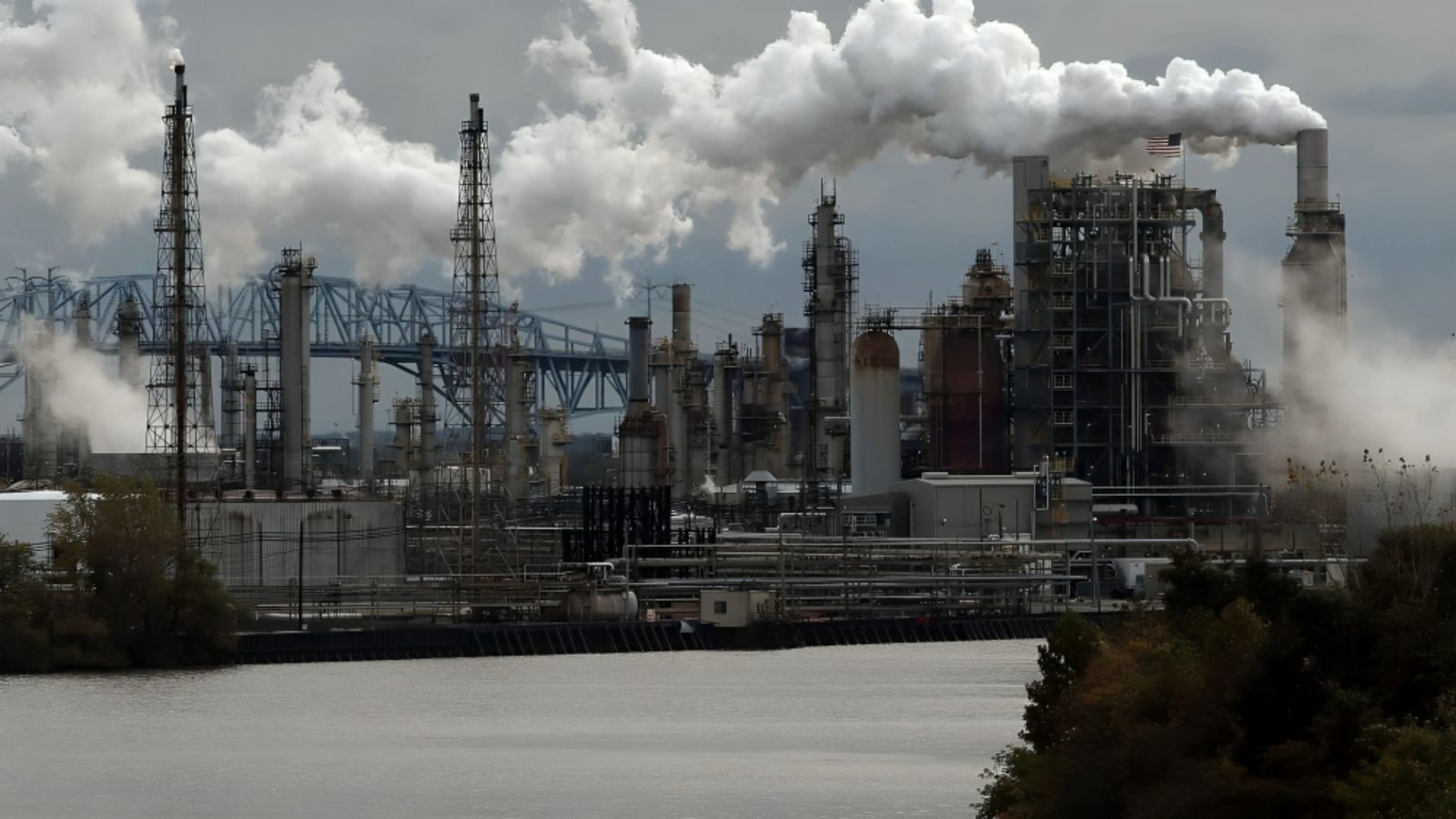
A dramatic surge in global oil prices has followed Iran’s blockade of the Strait of Hormuz, with Brent crude jumping 59 percent in just one month the fastest rise since the 1990 Gulf War. Analysts say the spike is not driven by a shortage of oil, but by severe disruptions to supply routes as the Iran-US-Israel conflict intensifies.
The Strait of Hormuz, which links the Arabian Sea with the Persian Gulf, is one of the world’s most critical energy corridors. Nearly 20 percent of all global oil and liquefied gas shipments pass through this narrow waterway. Major Middle Eastern producers including Saudi Arabia, Kuwait, the UAE and Iraq rely heavily on this route for exports, earning it the title of the “global gateway of energy.”
Following the outbreak of war on February 28, Iran imposed a blockade on the strait. The Islamic Revolutionary Guard Corps (IRGC) declared that no vessels belonging to the United States, Israel or their allies would be allowed to pass during the conflict. The move has placed immense pressure on six Gulf nations Saudi Arabia, Qatar, Kuwait, the UAE, Bahrain and Oman all of which host US military bases used in operations against Iran.
The blockade has rattled the global energy supply chain far beyond the Middle East. Market experts warn that oil prices could climb even higher if the standoff continues, deepening the strain on economies already grappling with inflation and fuel shortages.







+ There are no comments
Add yours