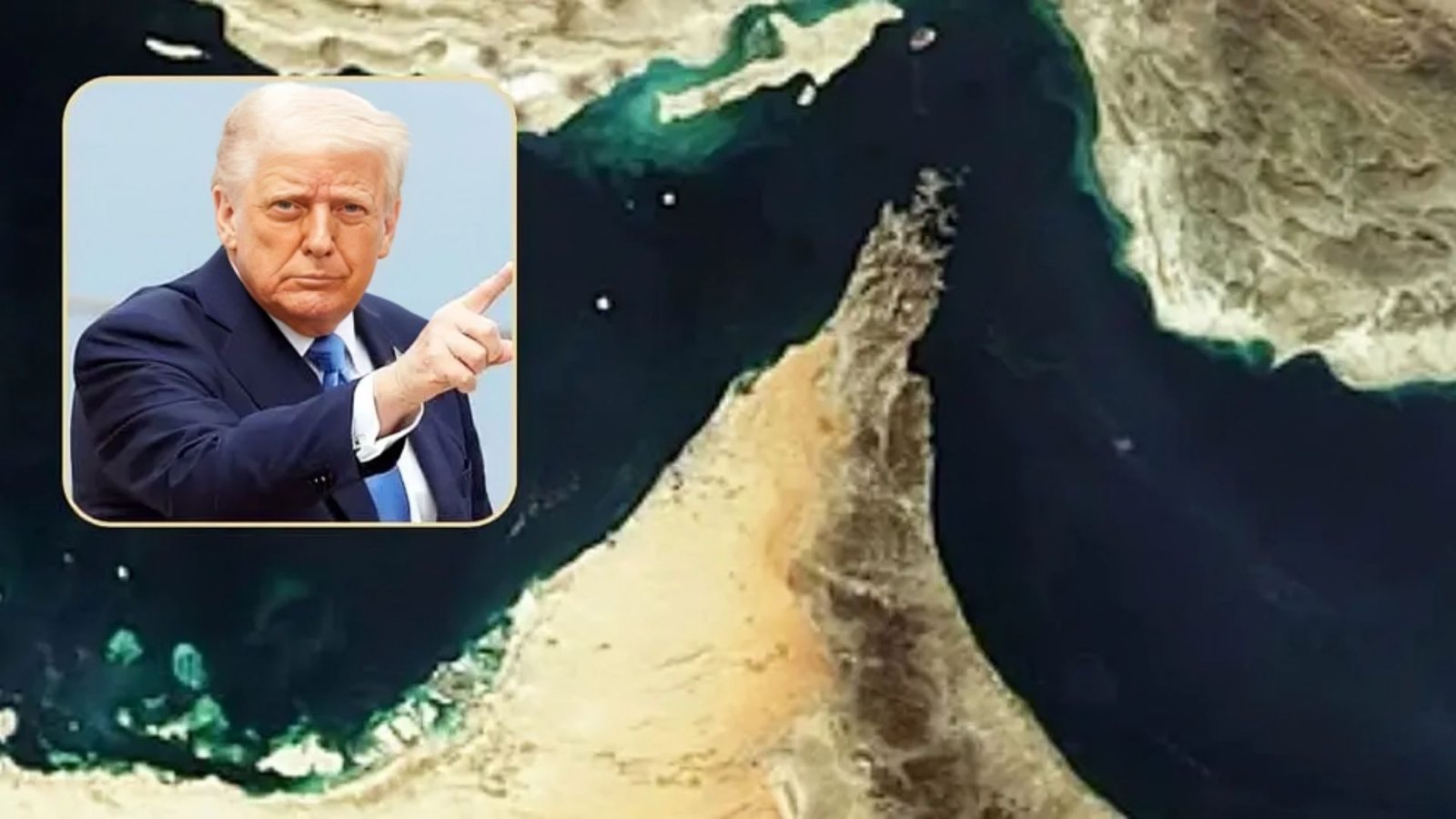
Tensions over control of the Strait of Hormuz have surged to a new peak as the waterway remains effectively shut on the 15th day of the Iran-US-Israel war, deepening global fears over energy and food security. Amid the crisis, US President Donald Trump claimed that “many countries” were preparing to send warships to break Iran’s blockade only for France to swiftly and publicly reject the idea.
Posting on Truth Social on Saturday, Trump said nations harmed by Iran’s blockade would work with the United States to keep the strait open. He expressed hope that China, France, Japan, South Korea and the United Kingdom would join the effort. But within hours, France’s foreign ministry issued a firm statement denying any such plan, dealing a significant blow to Trump’s attempt to rally an international naval coalition.
In the same post, Trump boasted that the United States had destroyed “100 percent” of Iran’s military capability, though he immediately conceded that Tehran could still deploy drones, mines and missiles. He warned that US forces would bomb Iran’s coastline and sink Iranian vessels if necessary. Iran’s IRGC Navy chief Alireza Tangsiri dismissed Trump’s claims as false, insisting the strait was not “militarily closed” but “controlled.”
The mixed messaging from Washington has added to the uncertainty. US Energy Secretary Chris Wright said last week that the United States was not prepared to escort ships through the strait. Iran’s foreign minister Abbas Araghchi countered that the waterway was closed only to enemy tankers and those of their allies. Mohsen Rezaei, a senior member of Iran’s Expediency Council, went further, declaring that American ships had “no right” to enter the Gulf.
Despite the escalating rhetoric, Iran has granted rare exemptions after direct talks with India and Turkey. Two Indian‑flagged LPG tankers and a Turkish‑owned vessel were allowed safe passage through the strait. Indian foreign ministry official Rajesh Kumar Sinha confirmed the development, while Iran’s ambassador to India, Mohammad Fathali, said the clearance followed direct discussions between Prime Minister Narendra Modi and Iranian President Masoud Pezeshkian.





+ There are no comments
Add yours