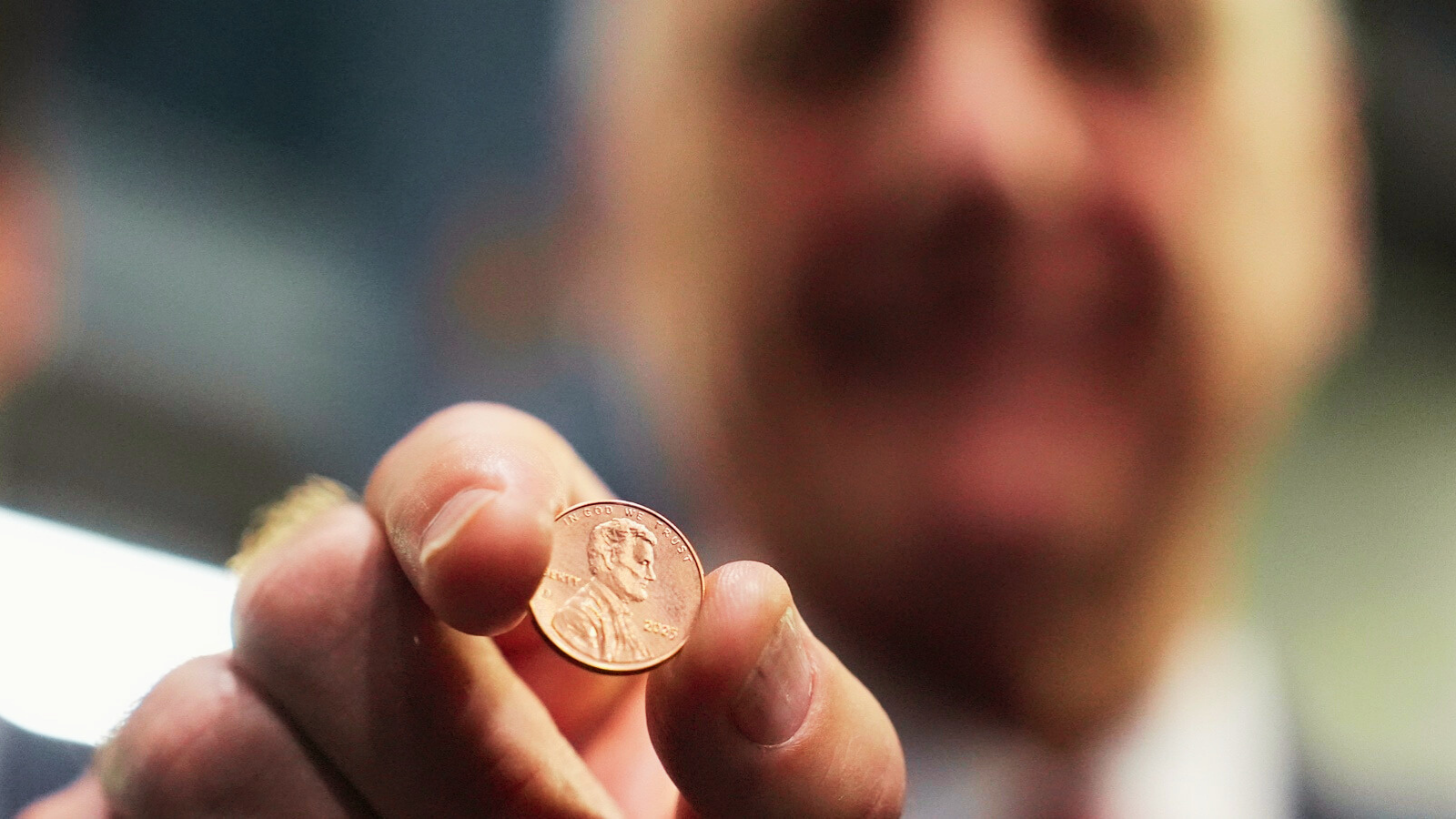
The United States has officially stopped producing the penny, closing the book on a tradition that began in 1793. On Wednesday, the Philadelphia Mint struck the final batch of one‑cent coins, ending more than 230 years of continuous production.
Why the Penny Was Retired
The decision comes as part of a broader push to cut costs and adapt to the age of digital transactions. Each penny costs nearly four cents to produce, making it one of the most inefficient coins in circulation. With nearly 300 billion pennies already in use, the Treasury argued that the coin had become unnecessary for modern commerce.
President Donald Trump announced the plan earlier this year, saying: “We must eliminate waste from our great nation’s budget—even if it’s just a penny.” Officials believe the move will save taxpayers tens of millions of dollars annually.
Impact on Businesses and Consumers
Retailers are preparing to round prices to the nearest five cents as pennies disappear from tills. While production has ended, existing pennies will remain legal tender, ensuring a gradual transition. Some of the final coins are expected to become collector’s items, symbolizing the end of a historic chapter in U.S. currency.
Historical Significance
Introduced in 1793, the penny has long been a fixture of American life, featuring Abraham Lincoln’s portrait since 1909. Its retirement marks the first discontinuation of a U.S. coin since the half‑cent in 1857. For many, the penny carries nostalgic value, but its practical use has dwindled in a world increasingly dominated by cashless payments.
The end of penny production reflects a shift toward modernized currency systems, balancing tradition with economic efficiency. While Americans may miss the coin that once bought candy or candles, the move signals a future where digital dollars outweigh copper cents.












+ There are no comments
Add yours