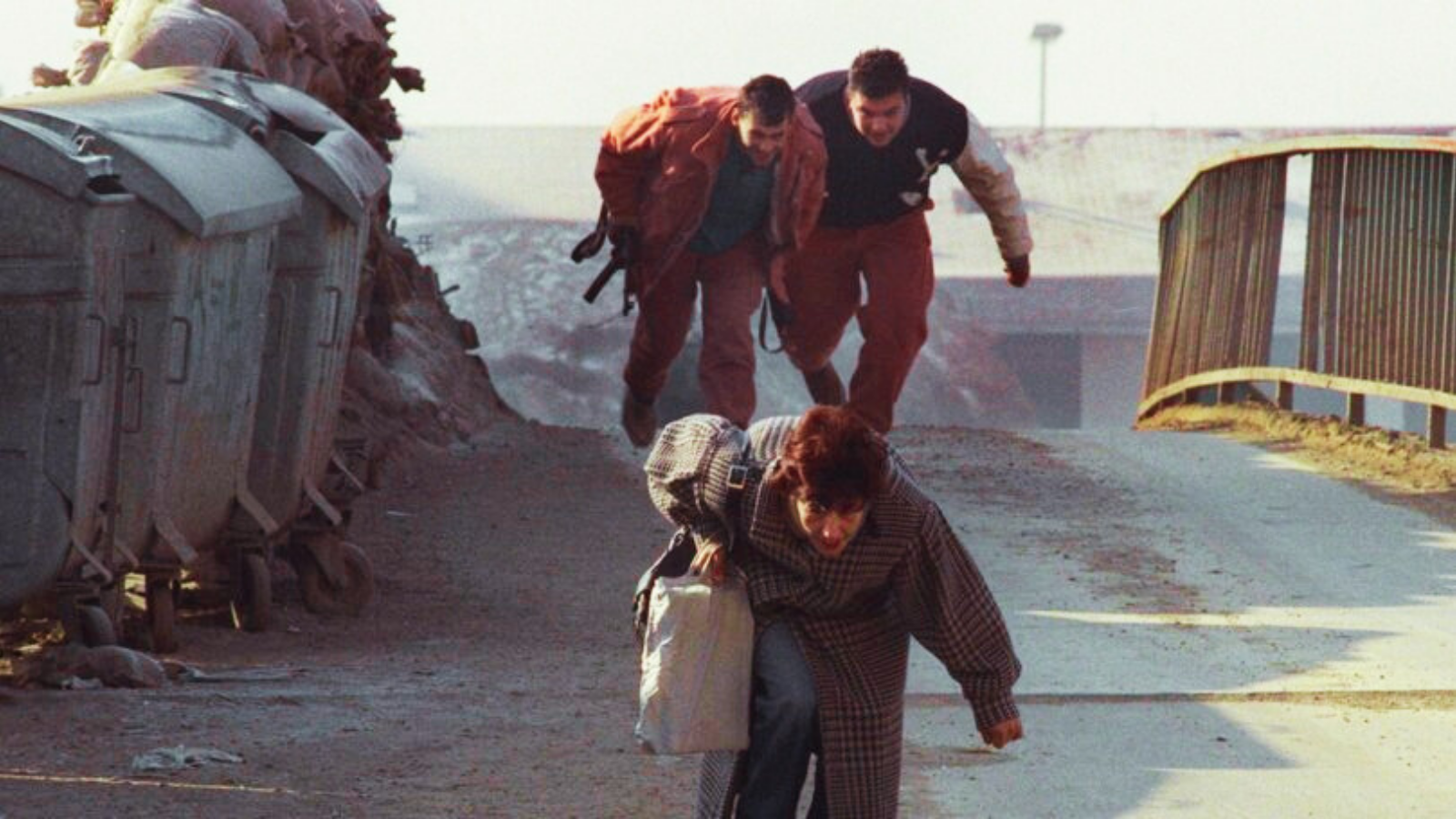
The Milan prosecutor’s office has launched a war crimes probe into disturbing claims that Italian citizens and other foreigners traveled to Bosnia-Herzegovina in the early 1990s to take part in so-called “sniper safaris”paying large sums of money to shoot civilians in the besieged city of Sarajevo.
Allegations of “Human Hunting”
The complaint was filed by journalist and novelist Ezio Gavazzeni, who described a “manhunt” organized for wealthy individuals with a passion for weapons. Reports suggest participants allegedly paid different rates depending on whether they targeted men, women, or children.
Sarajevo endured a four-year siege from 1992 to 1996, during which more than 11,000 people were killed by shelling and sniper fire. Surrounded by Bosnian Serb forces, civilians lived under constant threat of attack.
Evidence Under Review
Gavazzeni’s evidence includes testimony from a Bosnian military intelligence officer, who claimed his colleagues discovered the existence of these “safaris” in late 1993. Information was reportedly passed to Italy’s SISMI military intelligence in early 1994.
The officer alleged that “sniper tourists” would fly from Trieste, Italy, before traveling to the hills overlooking Sarajevo, where they joined Serb forces in targeting civilians.
Prosecutor’s Action
Italian counter-terrorism prosecutor Alessandro Gobbis is now examining the case, with charges of murder under consideration. While similar allegations of “human hunters” have surfaced over the years, this marks one of the most serious attempts to investigate them formally.
Wider Context
The Bosnian War remains one of Europe’s darkest chapters, with atrocities committed across the former Yugoslavia. The idea that foreigners may have paid to participate in the killing of civilians adds a disturbing dimension to the conflict.
If proven, the case could lead to war crimes charges against individuals who traveled from Italy and other countries to take part in the alleged “sniper safaris.” It also raises questions about what intelligence agencies knew at the time and how they responded.










+ There are no comments
Add yours