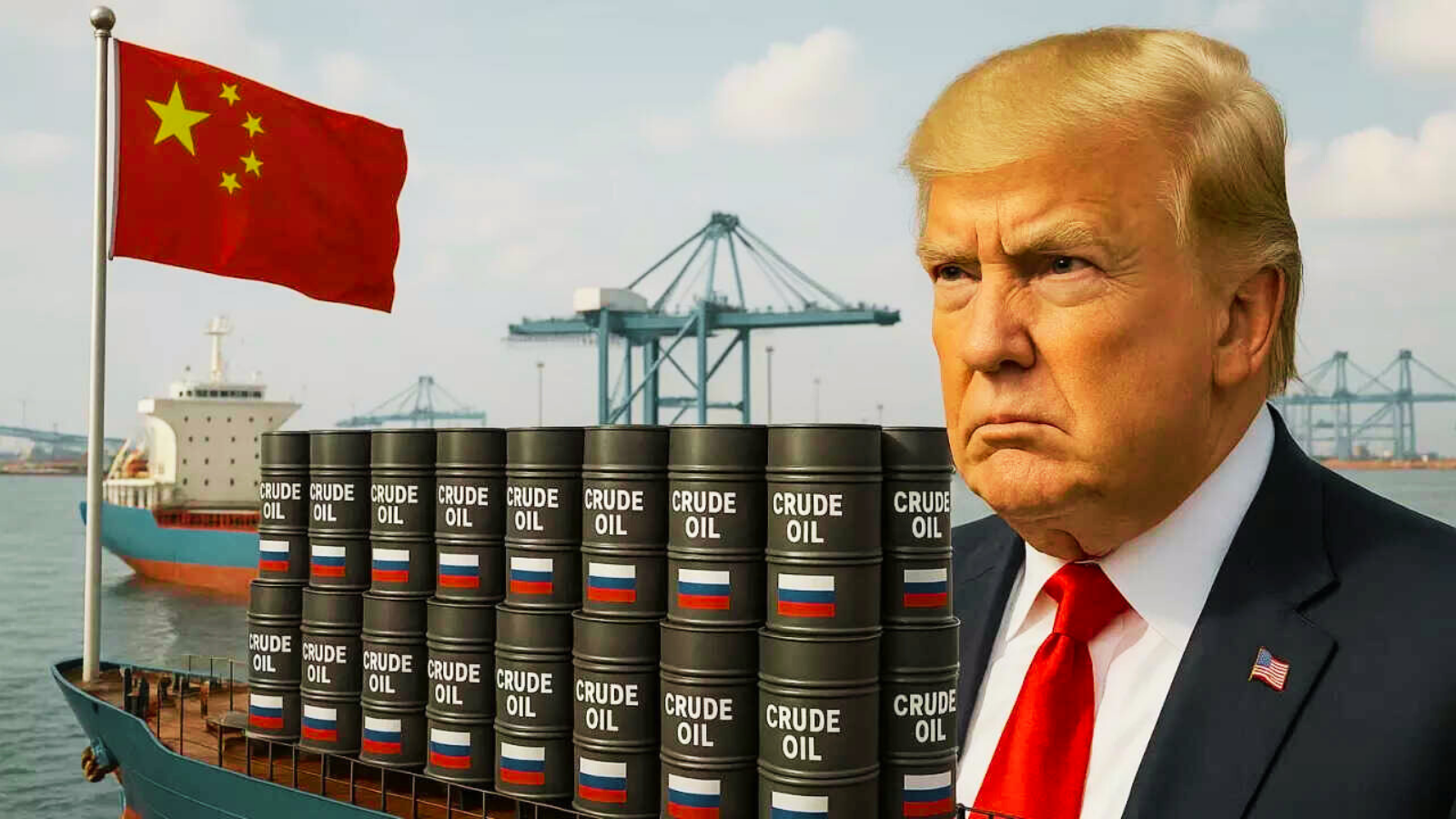
Study finds China, Brazil, and India resilient against U.S. tariffs, raising doubts about Trump’s trade leverage. A new report by risk consultancy Verisk Maplecroft suggests that most major emerging economies can withstand U.S. tariffs without severe disruption, challenging the effectiveness of President Donald Trump’s trade tools. The study analyzed the resilience of 20 leading emerging markets, measuring factors such as debt levels, export-revenue reliance, and geopolitical adaptability. Tariff Storm Tested: China, Brazil, and India Show Resilience Against Trump’s Trade Weapons
Key Findings
- China, Brazil, and India are among the strongest performers, able to absorb tariff shocks thanks to diversified export bases and robust domestic markets.
- Mexico and Vietnam, though highly dependent on U.S. trade, remain relatively resilient due to progressive economic policies, infrastructure improvements, and political stability.
- Brazil and South Africa are actively building new trade links, reducing reliance on traditional partners and strengthening long-term resilience.
Expert Insights
Reema Bhattacharya, head of Asia research at Verisk Maplecroft, noted: “Most manufacturing hubs globally are in a better position than you would think to weather this tariff storm specifically coming out of the U.S., even if it comes to full capacity.” She emphasized that emerging markets increasingly recognize the need for a “third market” beyond the U.S. and China, with intra-BRICS trade rising steadily.
China’s Position
China remains particularly exposed to geopolitical tensions with Washington, but its manufacturing dominance, diversified exports, and human capital make it nearly impossible to replicate elsewhere. Despite this, October data showed China’s exports suffered their worst downturn since February, shortly after Trump’s return to the White House.
China has also pursued long-term strategies to reduce vulnerability, including expanding the use of the renminbi in trade settlements. Countries such as Brazil, Argentina, and Chile have signed local-currency settlement deals with China’s central bank, while Chinese state-owned enterprises are investing heavily in lithium and copper projects across Chile, Bolivia, and Peru.
Broader Implications
The findings suggest that while U.S. tariffs can cause short-term disruption, most emerging economies are better positioned than expected to adapt, leveraging diversified trade relationships and regional cooperation. This raises questions about the long-term effectiveness of unilateral tariff policies as a geopolitical tool.







+ There are no comments
Add yours