
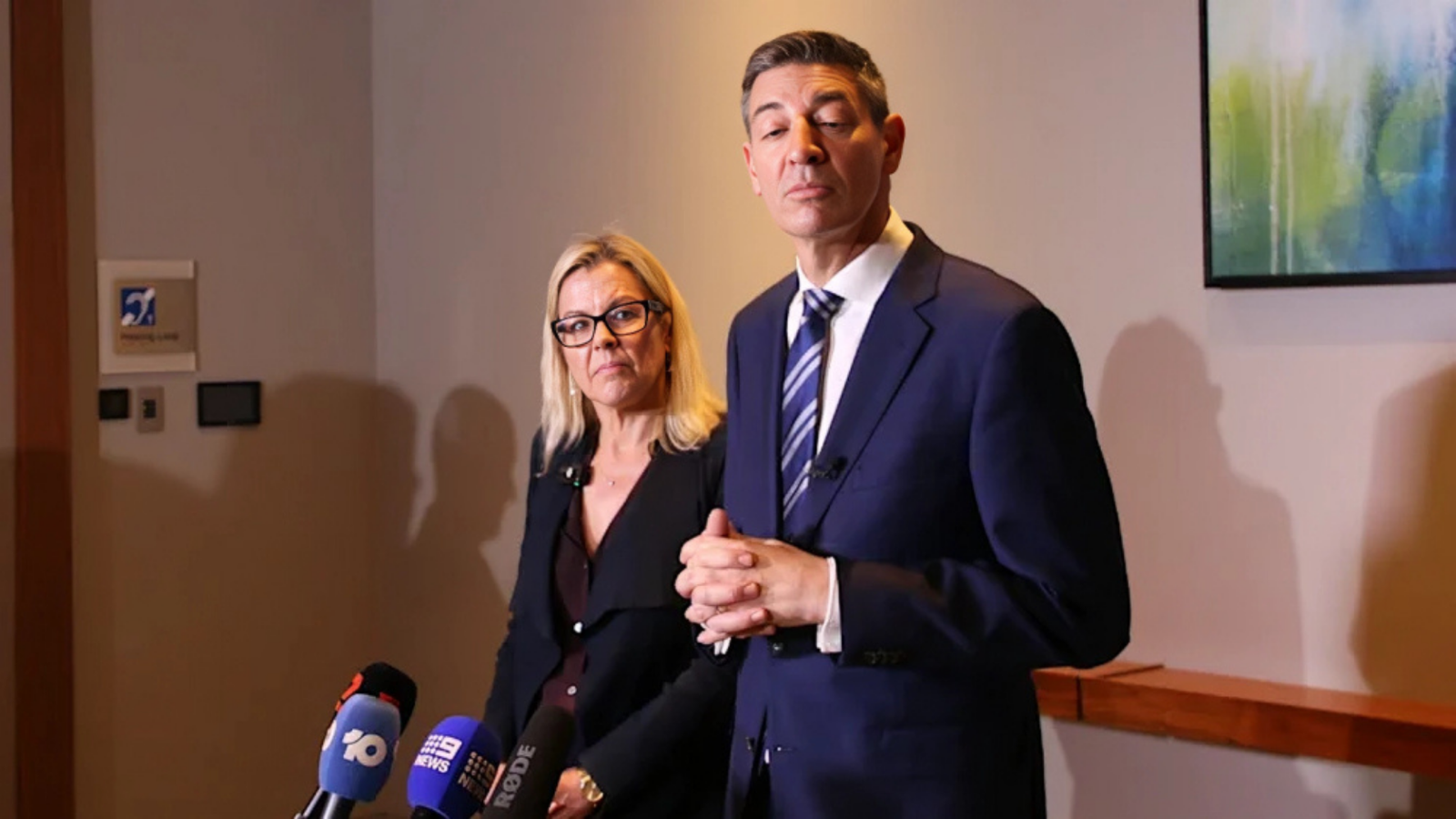
WA Opposition Leader Basil Zempilas has reignited a familiar political debate and a familiar political risk with his public openness to working with One Nation, a move that echoes past missteps in Western Australian politics.
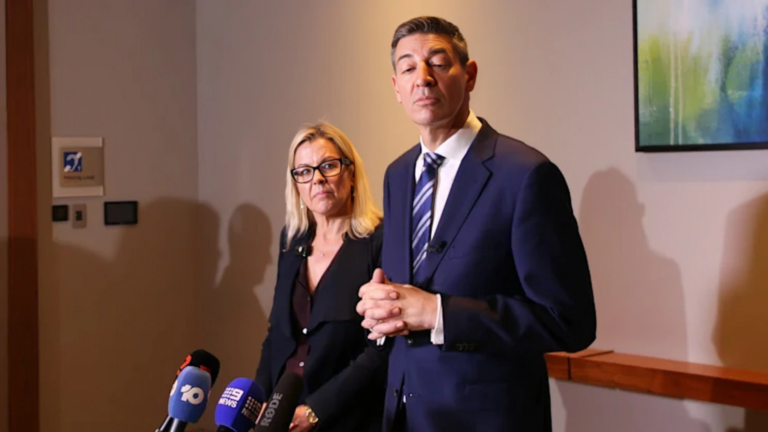
Speaking at a business breakfast on Monday, Zempilas without being prompted warned that ignoring One Nation “would be to ignore the will of the people.” He said he had an “open mind” about collaborating with the party, a stance that, when pressed, extended from preference deals all the way to the possibility of a coalition government.
Zempilas framed One Nation not as a threat but as “an opportunity” to defeat Labor. “If people’s frustration in Western Australia is so elevated that they are in a mood for change, as the leader of the Liberal‑National alliance … I would be derelict in my duty not to look at all options to help bring that about,” he said.
But WA has seen this movie before and the ending wasn’t pretty.
During the 2017 state election, then‑premier Colin Barnett struck a preference deal with One Nation. The backlash was immediate and intense. Instead of helping the Liberals, the arrangement became a political anchor: it dominated media coverage, overshadowed policy announcements, and created a perception that the party was scrambling for survival.
The result was brutal. Barnett’s government lost 18 seats in a Labor landslide. Many within the party later argued that the One Nation deal had made an already difficult campaign significantly worse.
Zempilas’s comments this week have revived those memories. Critics warn that courting One Nation risks repeating the same strategic error shifting attention away from policy and toward political manoeuvring, while alienating moderate voters the Liberals need to win back.
Whether Zempilas’s approach becomes a turning point or a cautionary tale remains to be seen. But in WA politics, the lesson from 2017 still looms large: flirting with One Nation has consequences.






+ There are no comments
Add yours