
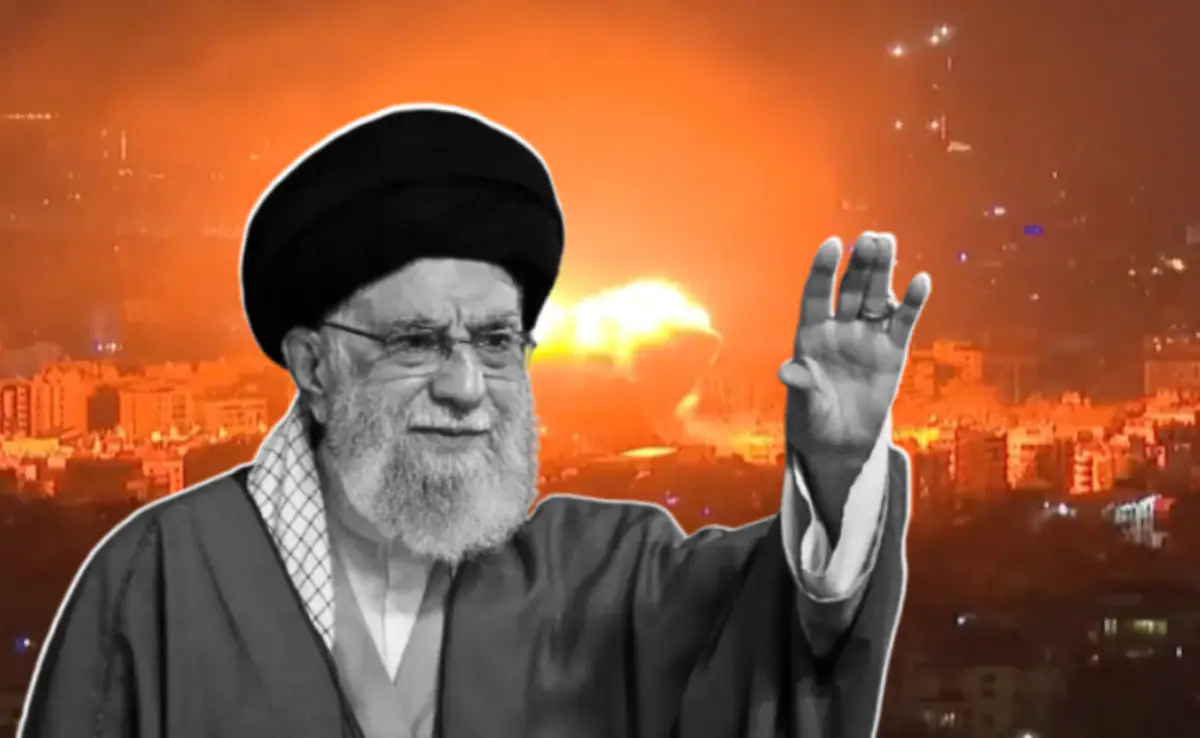
A wave of uncertainty swept across global capitals on Saturday as world leaders reacted to the joint US-Israeli strikes on Iran and the reported death of Iran’s Supreme Leader Ayatollah Ali Khamenei. The moment has raised urgent questions: How long will this conflict last? Will it escalate? And what does it mean for global security?
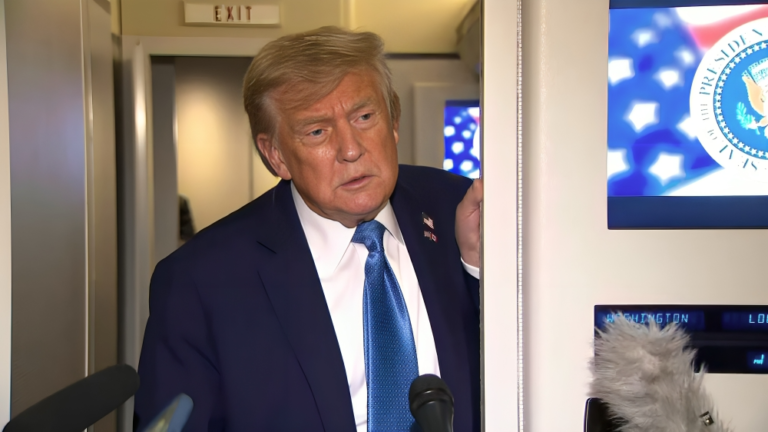
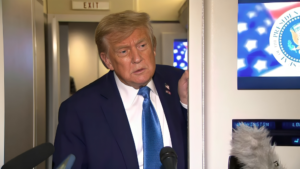
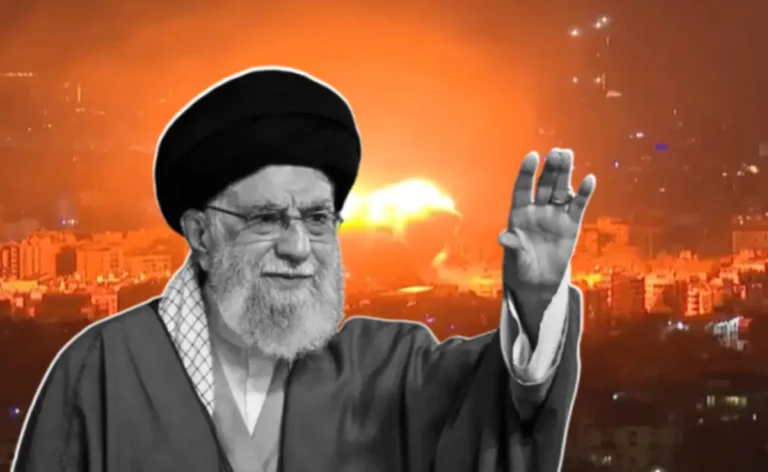
US President Donald Trump declared on social media that Khamenei was dead, calling it “the single greatest chance for the Iranian people to take back their country.” Iranian state media later confirmed the 86‑year‑old leader’s death without specifying a cause. Israeli officials, speaking anonymously, also said Khamenei had been killed in the strike on his compound, while Prime Minister Benjamin Netanyahu said there were “growing signs” of his demise.
Khamenei’s apparent death leaves Iran and the region facing a leadership vacuum. As the Islamic Republic’s second supreme leader, he had no designated successor, a reality that threatens to plunge the country into political uncertainty at a moment of heightened military tension. The UN Security Council quickly scheduled an emergency meeting.
Many governments responded cautiously, wary of inflaming already strained relations with Washington. While several nations condemned Iran’s retaliatory missile and drone attacks, they avoided directly criticising the US–Israel operation. Others were more explicit: Australia and Canada backed the strikes, while Russia and China issued sharp condemnations.
The US and Israel launched their assault early Saturday, prompting Trump to urge Iranians to “seize control of your destiny” and rise up against the Islamic theocracy that has ruled since 1979. Iran retaliated by firing missiles toward Israel and US bases across the Middle East.
European leaders British Prime Minister Keir Starmer, French President Emmanuel Macron and German Chancellor Friedrich Merz called for a return to negotiations, stressing that they did not participate in the strikes. They condemned Iran’s attacks on regional states and said the Iranian people must be allowed to determine their own future. Macron later emphasised that France had been “neither warned nor involved,” insisting that Iran’s nuclear and regional activities cannot be resolved through military action alone.
Across the Middle East, governments denounced Iran’s strikes on Arab neighbours. The 22‑nation Arab League called them a “blatant violation” of sovereignty. Even Syria long one of Iran’s closest allies issued a statement condemning Tehran, reflecting its efforts to rebuild ties with regional powers and the US. Saudi Arabia described Iran’s actions as “treacherous aggression,” while Oman criticised the US strikes as a violation of international law.
New Zealand offered a carefully worded response, acknowledging that the US-Israel operation had prevented Iran from remaining a threat, while noting that Tehran had “long since lost” the support of its people. Russia, by contrast, called the strikes “a pre-planned and unprovoked act of armed aggression,” accusing Washington and Tel Aviv of pursuing regime change under the guise of nuclear concerns. China urged an immediate halt to military action and a return to diplomacy.
On the ground, Palestinians in the occupied West Bank carried on with daily life even as Israel’s Iron Dome intercepted missiles overhead. With no warning systems or shelters, residents queued at petrol stations amid fears of supply disruptions. The Palestinian Authority condemned Iran’s attacks on Arab states but avoided mentioning the US or Israel.
Warnings of a broader war grew louder. Norway’s foreign minister said the collapse of US-Iran talks risked triggering “a new, extensive war in the Middle East.” The International Campaign to Abolish Nuclear Weapons condemned the US-Israel strikes as “totally irresponsible,” warning of heightened nuclear proliferation risks. EU leaders urged restraint and renewed diplomacy to prevent further destabilisation.
As the world absorbs the shock of Khamenei’s reported death and the rapid escalation of military action, the stakes have rarely been higher. With no clear successor in Tehran and global powers sharply divided, the path forward is fraught with danger and the margin for miscalculation perilously thin.



+ There are no comments
Add yours