
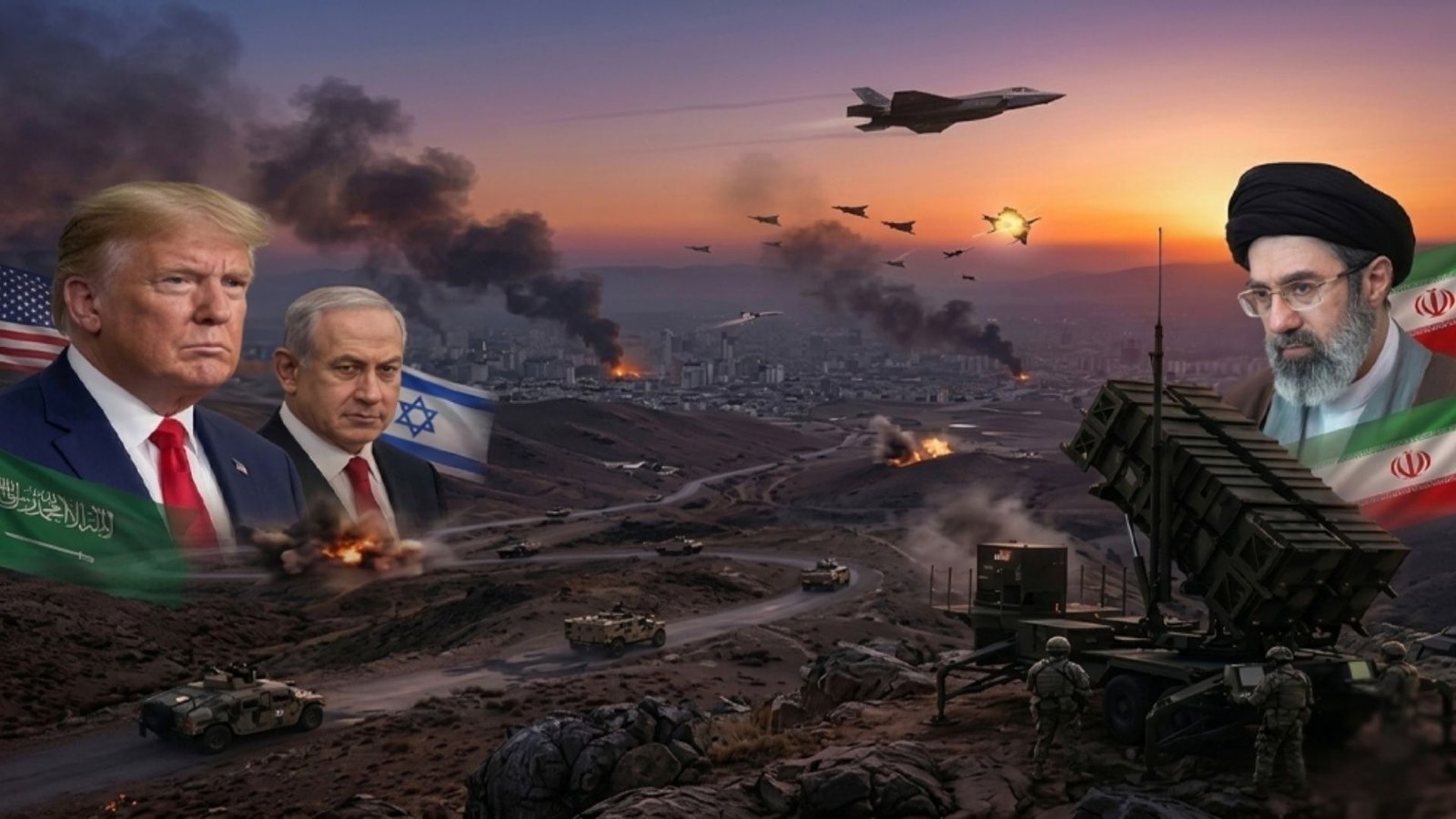
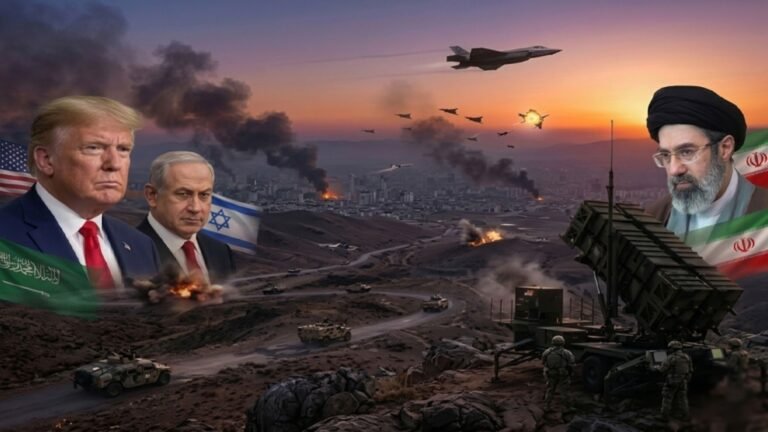
The Iran war has pushed Washington’s relationship with several of its key European allies to a breaking point, with tensions inside NATO becoming increasingly visible. US President Donald Trump has repeatedly accused NATO partners of failing to support American and Israeli military operations, turning long‑standing strategic disagreements into open confrontation.
At the start of the month, Trump described the lack of support from traditional NATO allies as “cowardice”. On Tuesday, he again criticised countries that did not assist US‑Israeli strikes, even singling out the United Kingdom as “uncooperative”. In a post on Truth Social, he wrote:
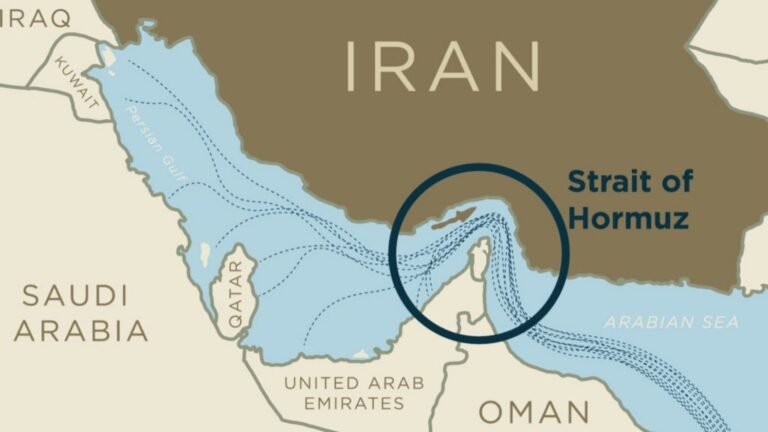
“Countries that aren’t getting energy because of the Strait of Hormuz but won’t join the fight against Iran my advice is simple: buy energy from America, or if you have the courage, go take the strait yourselves.”
The United States, France, Italy, Spain and the UK are all NATO members, yet their positions on the Iran conflict have sharply diverged. Germany has allowed continued use of the Ramstein Air Base the largest US military installation in Europe but President Frank‑Walter Steinmeier’s description of the war as “illegal” has triggered political debate at home.
Spain has taken an even firmer stance. The government has closed its airspace to US aircraft involved in strikes on Iran. Prime Minister Pedro Sánchez has been a vocal critic of the US and Israeli operations, while Defence Minister Margarita Robles said Spanish bases would only be available for NATO’s collective defence missions.
Analysts warn that the divisions exposed by the Iran conflict could complicate future Western military cooperation, raising questions about NATO’s cohesion at a time of heightened global instability.





+ There are no comments
Add yours