
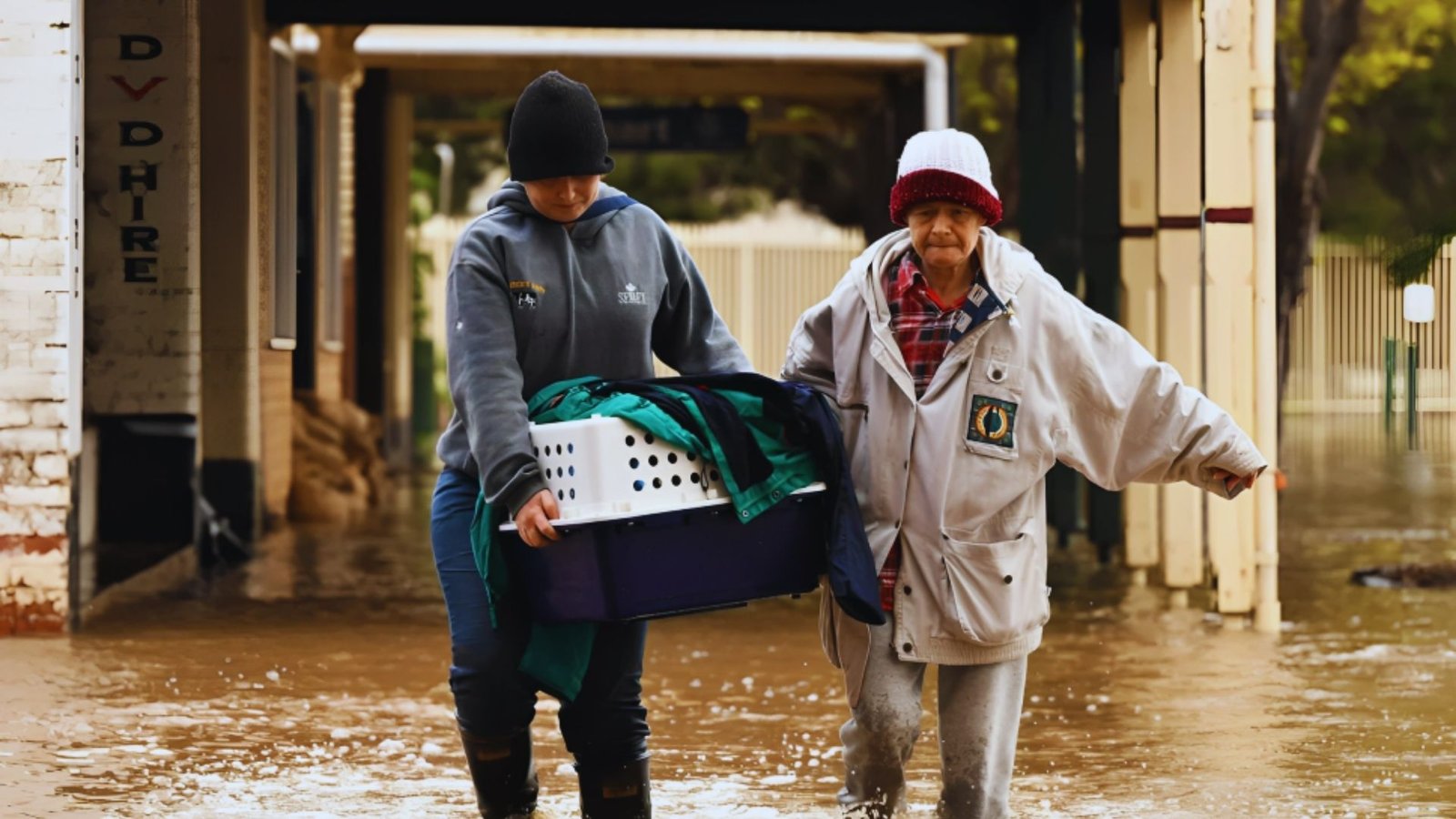
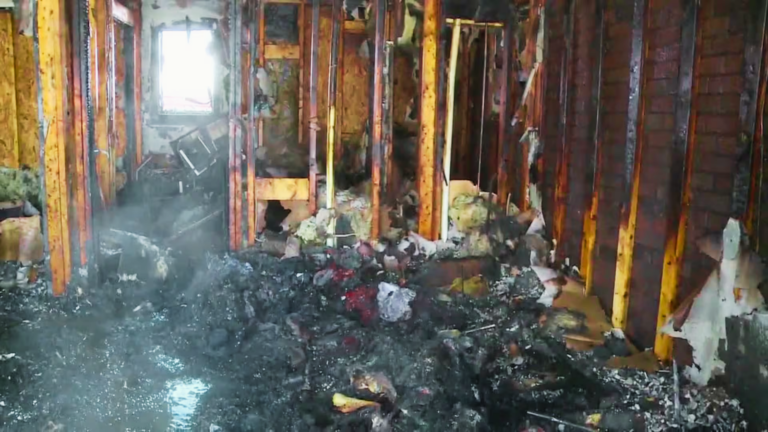
When the floods swept through her town, Ms Tancred lost almost everything her family home of 23 years, every belonging inside it, and the sense of stability she had built over decades. What followed was a long, exhausting fight to rebuild a life from scratch.
“It took the insurance company 18 months to tell me they were pulling the house down and we’d have to build it,” she said. In the meantime, her family was pushed into a rental market already stretched by soaring demand. Her husband, who worked for himself, lost all his tools in the disaster, cutting off his income overnight. “If I wasn’t lucky to be working full-time, that would have been a different story.”
Even as they navigated high rents and endless red tape, the bills kept coming. Ms Tancred still had to pay land tax, rates and water charges on the flooded block. “You still feel the impact today,” she said. Eventually, the family decided not to rebuild and accepted a payout, later buying another home nearby. “It’s very draining getting to the payout, and I know there were a lot of people worse off than us.”
Her story reflects a broader pattern highlighted in a new report from the Victorian Council of Social Service (VCOSS) and the University of Melbourne. The Ripple Effects study found that 59 per cent of regional flood‑affected areas already had above‑average poverty rates, and those communities saw rising unemployment and increased reliance on income support after the disaster.
The report shows that people experiencing socioeconomic disadvantage were more likely to live in flood‑prone regional areas and that those affected had annual disposable incomes around $22,800 lower than households in similar but unaffected regions. The floods also compounded pressures from the COVID‑19 downturn and the 2019–2020 bushfires, leaving many communities with little resilience left.
In towns such as Rushworth, Wodonga, Mooroopna, Robinvale and Seymour, more than one in six people were living in poverty even before the waters rose. VCOSS CEO Juanita Pope said disasters consistently push vulnerable people into even deeper hardship. “When disasters hit, people already experiencing poverty fall into deeper poverty in the aftermath,” she said.
For families like the Tancreds, the emotional and financial toll lingers long after the floodwaters recede a reminder that recovery is not just about rebuilding homes, but rebuilding lives.





+ There are no comments
Add yours