
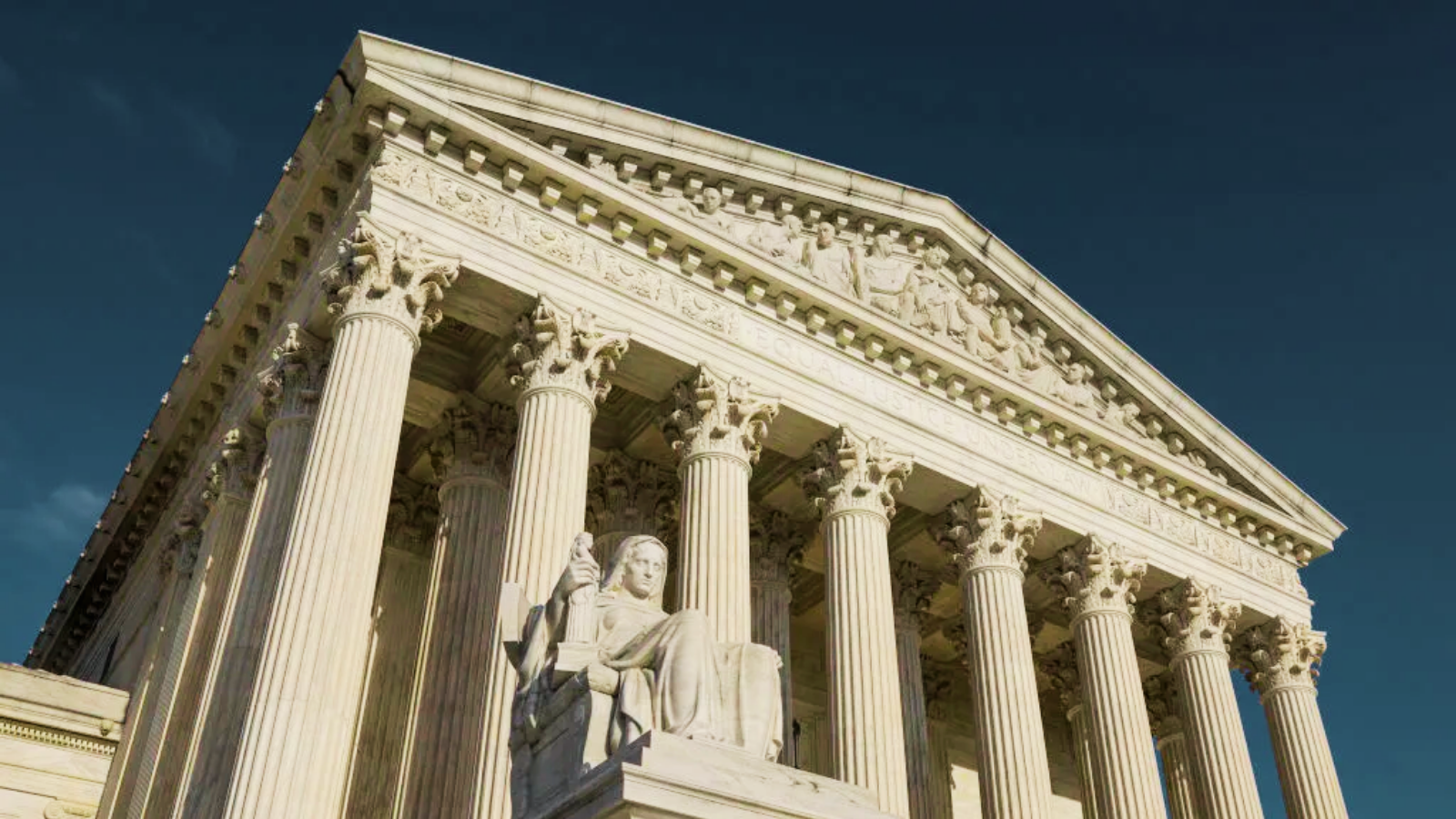
The US Supreme Court has agreed to hear arguments on whether children born in the United States have a constitutional right to citizenship. The outcome could reshape not only the definition of an “American citizen” but also the legacy of the Trump administration’s immigration policies.
Constitutional Background
For nearly a century, the 14th Amendment has guaranteed that all persons born or naturalized in the United States, and subject to its jurisdiction, are citizens. Exceptions apply only to children of foreign diplomats and members of foreign armed forces.
Trump Administration’s Executive Order
The Trump administration issued an executive order declaring that children born to immigrants who are in the country illegally or on temporary visas would not qualify for birthright citizenship. Officials argued that the phrase “subject to the jurisdiction thereof” in the 14th Amendment excludes those without permanent or lawful status.
Broader Implications
Legal experts say the Supreme Court’s decision will have far-reaching consequences, potentially redefining citizenship rights and influencing future immigration policy. It also raises fundamental questions about the scope of constitutional protections and the meaning of American identity.







+ There are no comments
Add yours