
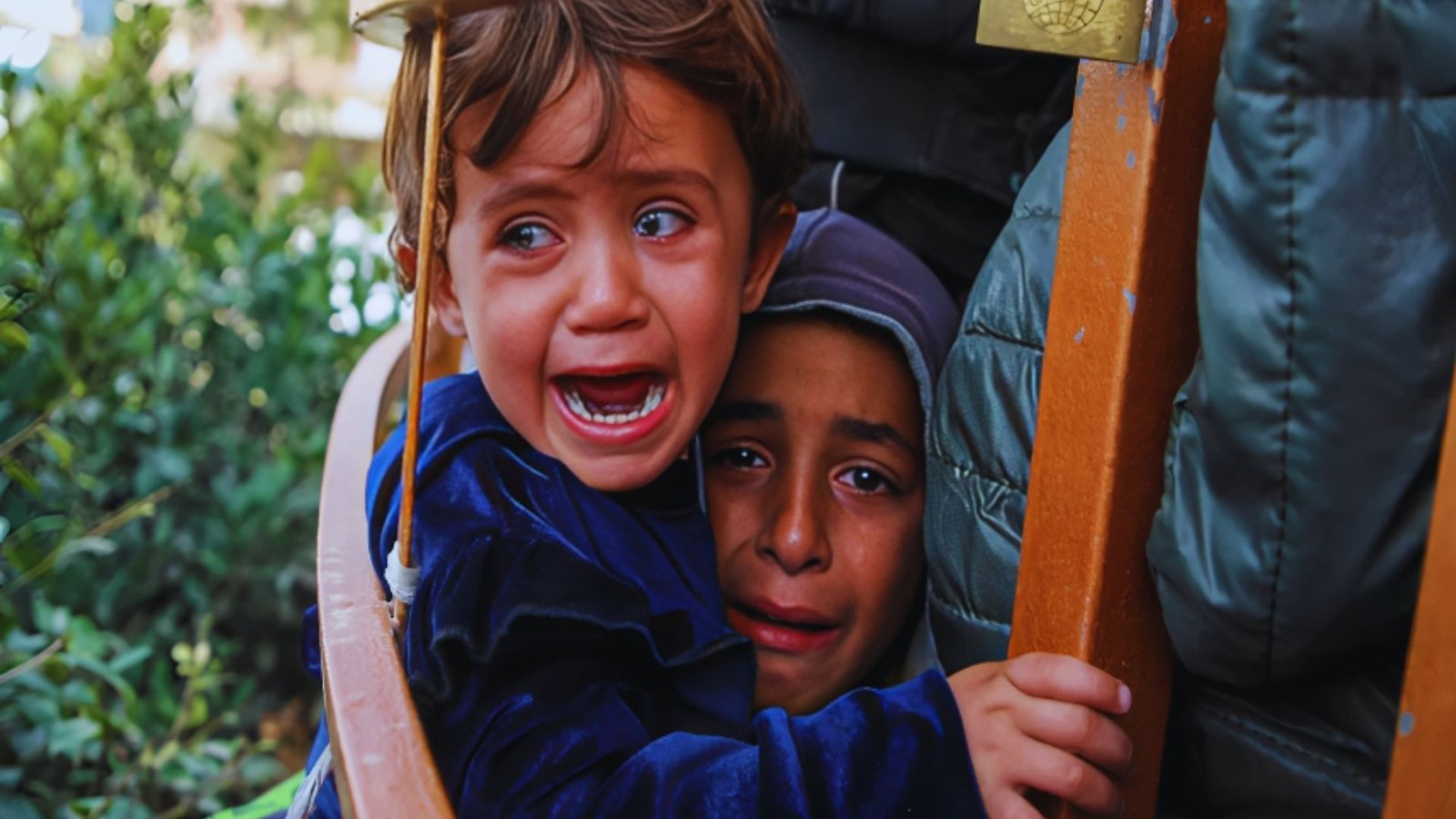
About 4.9 million children died before their fifth birthday in 2024, according to new United Nations estimates a stark reminder that global progress on reducing child mortality is slowing, even before major aid cuts took effect last year.
The report, released by UNICEF, the World Bank, the World Health Organization and the UN Population Division, shows that most of these deaths were entirely preventable. Simple, low‑cost interventions from basic healthcare access to treatment for malaria or complications from pre‑term birth could have saved countless young lives.
Child mortality has more than halved since 2000, but the agencies warn that momentum has weakened significantly since 2015. While the 2024 figure appears slightly higher than previous years, the organisations stressed that the data cannot be directly compared due to changes in calculation methods. Still, the trend is unmistakable.
A WHO spokesperson said the world is witnessing a “global slowdown in mortality reduction”, driven by conflict, economic instability, climate change and fragile health systems. Aid cuts, she warned, will only deepen the crisis. “These pressures risk undermining past achievements and could lead to stagnation or even reversal in hard‑won child survival gains if not addressed.”
The figures reflect conditions before major donors including the United States, the United Kingdom and Germany slashed their international aid budgets. Global development assistance for health fell by nearly 27% in 2025, according to a Gates Foundation report, which warned that child mortality progress was already slipping into reverse.
UNICEF Executive Director Catherine Russell said the world is moving in the wrong direction. “No child should die from diseases that we know how to prevent. But we see worrying signs that progress in child survival is slowing and at a time where we’re seeing further global budget cuts.”
The agencies also cautioned that reduced funding could weaken data collection, making it harder to track and respond to emerging threats to child health.









+ There are no comments
Add yours