
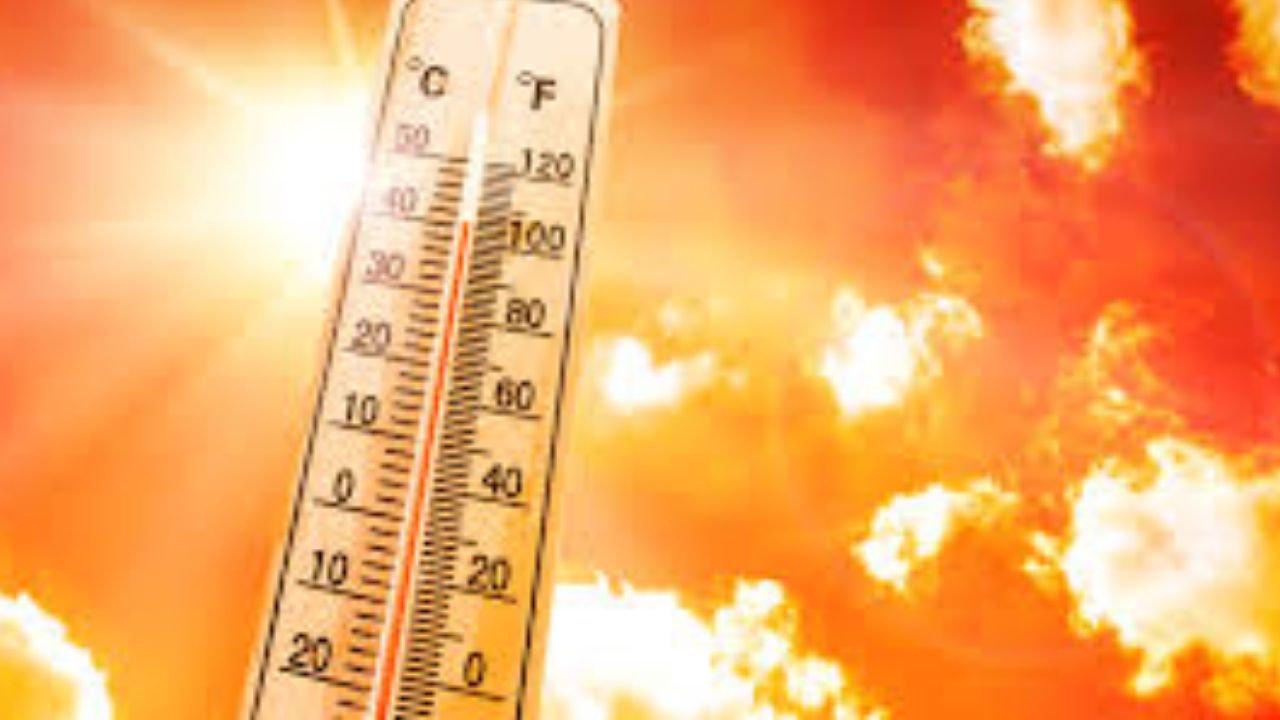
The United Nations has confirmed that 2025 is on track to be the second or third hottest year in recorded history, continuing a streak of extreme heat that has now lasted more than a decade. While it will not surpass 2024, the hottest year ever, the World Meteorological Organization (WMO) warned that rising greenhouse gas concentrations have reached record highs, locking in more heat for the future.
The findings were released as world leaders gathered in Belem, Brazil, ahead of next week’s COP30 climate summit in the Amazon. WMO chief Celeste Saulo told leaders that the developments make it “virtually impossible” to limit global warming to 1.5°C above pre-industrial levels in the near term without temporarily overshooting the Paris Agreement target. However, she stressed that science shows it is still possible and essential to bring temperatures back down to 1.5°C by the end of the century.
The Paris climate accords of 2015 set the goal of keeping warming well below 2°C, ideally capped at 1.5°C. Yet the WMO report highlights how far off track the world has drifted. The past 11 years (2015-2025) have been the warmest ever recorded, with each year breaking new temperature records.
The impacts of rising temperatures are already visible:
- Arctic sea ice extent after the winter freeze was the lowest ever recorded.
- Antarctic sea ice remained well below average throughout 2025.
- Extreme weather events including flooding, brutal heatwaves, and wildfires have caused cascading damage to lives, livelihoods, and food systems.
Despite the dire warnings, the WMO pointed to advances in early warning systems, which are proving crucial in saving lives and reducing economic losses. These systems, now deployed more widely, allow communities to prepare for extreme weather events with greater accuracy and speed.
The report underscores the urgency of global action as leaders convene at COP30. With greenhouse gas emissions still rising, the UN warns that without immediate and sustained reductions, the world risks locking in irreversible damage. Yet the message remains cautiously hopeful: if nations act decisively, temperatures can still be stabilized by the end of the century.









+ There are no comments
Add yours