
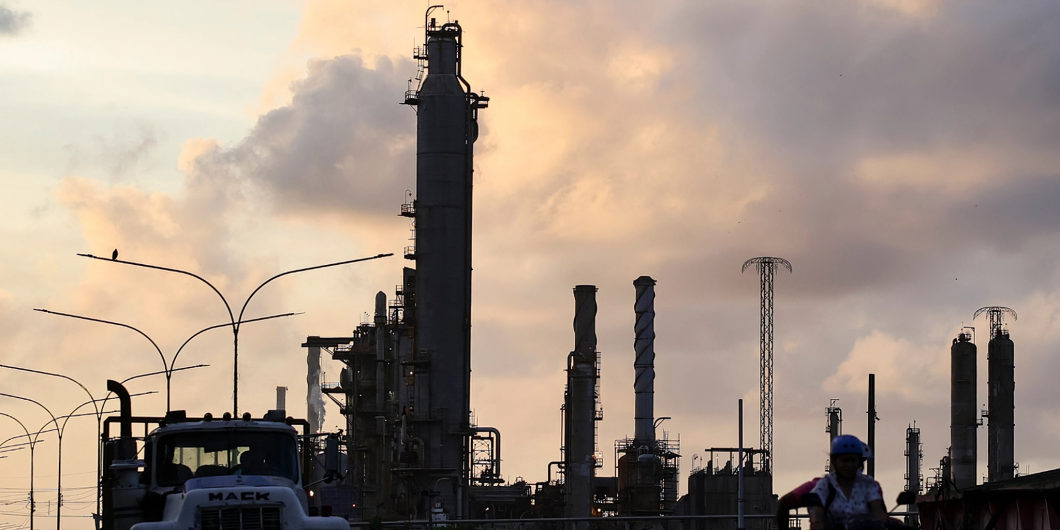
Following its military intervention in Venezuela, the United States now effectively controls the world’s largest proven oil reserves. Venezuela holds around 18% of global reserves, ahead of Saudi Arabia (16%) and Canada (10%).
U.S. President Donald Trump said Washington would oversee the country “until such time as we can do a safe, proper and judicious transition.” Analysts like Mr. Oliver argue the intervention fits a long‑standing pattern of U.S. involvement in Latin America for strategic and political purposes.
He noted that “there’s a history of the U.S. intervening in Central and South America to provide political distractions.”
Months of Preparation Behind the Operation
Reports indicate that the weekend’s military actions were not sudden. Over recent months:
- The U.S. announced a blockade on oil tankers entering or leaving Venezuela.
- Two shipments of Venezuelan crude were seized by U.S. authorities.
- Venezuela’s oil exports dropped to about half of November’s 950,000 barrels per day.
Mr. Oliver also pointed to broader signals that the Trump administration was considering intervention in other oil‑rich regions, noting Trump’s recent remark that the U.S. was “locked and loaded” regarding Iran.
Economic Motives Cited
The intervention comes amid rising economic tensions inside Venezuela, including threats of nationwide protests. According to Mr. Oliver, the U.S. action is also “part of an effort to reduce the cost of living in the U.S.”, as soaring transport costs have contributed significantly to inflation in both the United States and Australia.




+ There are no comments
Add yours