
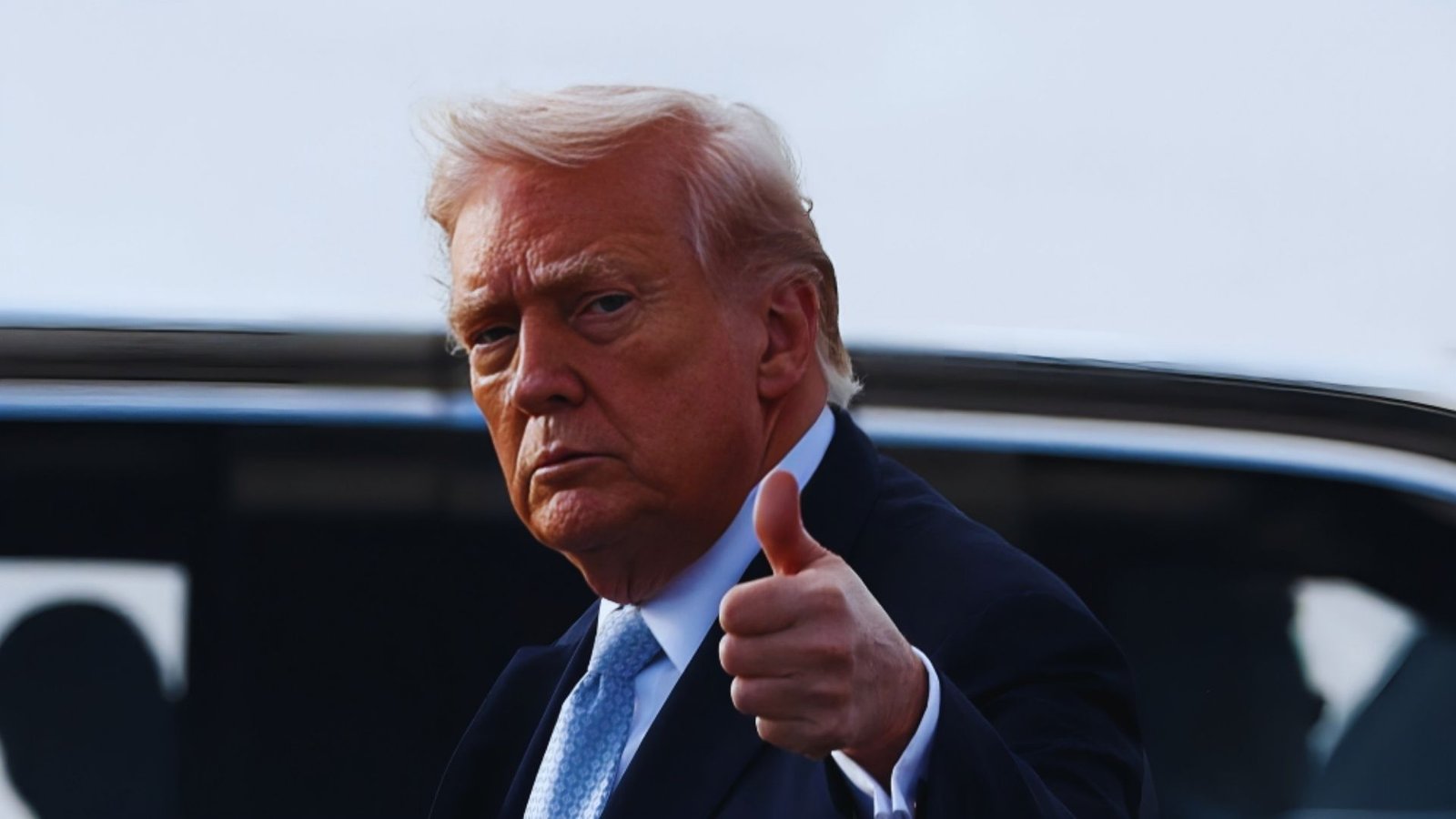
President Donald Trump has warned that the United States will “obliterate” Iranian power plants unless Tehran fully reopens the Strait of Hormuz within 48 hours a threat that immediately triggered counter‑warnings from Iran’s military, escalating an already volatile regional conflict now entering its fourth week.
A Rapid Escalation of Threats
Speaking from his Florida home, Trump said the US would destroy “various POWER PLANTS, STARTING WITH THE BIGGEST ONE FIRST!” if Iran continued restricting access to the vital waterway. The ultimatum comes as global oil prices surge and domestic pressure mounts.
Iran’s military command, Khatam Al‑Anbiya, responded sharply through a statement carried by Fars News Agency:
If Iran’s fuel or energy infrastructure is attacked, all US and allied energy, IT, and desalination facilities across the region will be targeted.
Missile Strikes Hit Southern Israel
The war of words unfolded as Iran launched missiles at two southern Israeli communities late Saturday, striking near the country’s main nuclear research center. Buildings were heavily damaged in Dimona and Arad, with at least 64 people injured. Israel confirmed it was unable to intercept the missiles the first time Iranian projectiles have penetrated air defenses around the nuclear site.
Iran’s parliament speaker, Mohammad Bagher Ghalibaf, said the breach signaled a “new phase of the battle.”
Earlier in the day, Iran’s Natanz nuclear enrichment site was hit, though Israel denied involvement. The UN nuclear watchdog reported no radiation leaks.
Iran Also Targets Diego Garcia
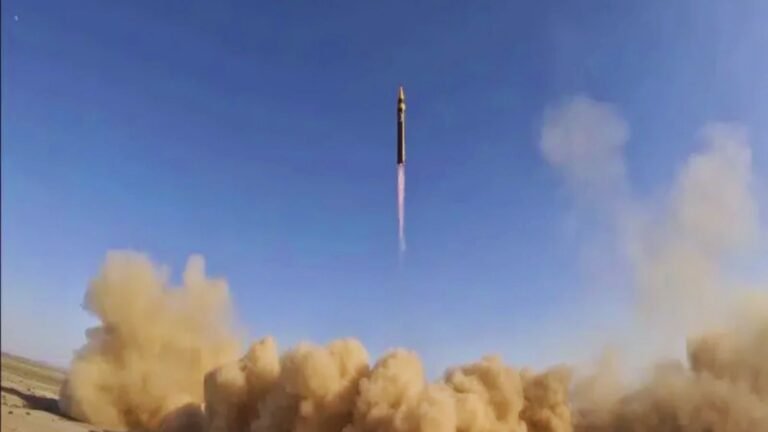
Iran also fired long‑range missiles toward the UK‑US Diego Garcia base in the Indian Ocean roughly 4,000 km away suggesting Tehran may have used space‑launch technology for an improvised ballistic strike. US officials said one missile failed mid‑flight and another was intercepted, though details remain unclear.
A Conflict With Global Consequences
The US and Israel have offered shifting justifications for the war from weakening Iran’s leadership to dismantling its nuclear and missile programs. But with internet restrictions inside Iran and limited verified information, the extent of damage on the ground remains uncertain. Supreme Leader Ayatollah Mojtaba Khamenei has not appeared publicly since assuming the role.
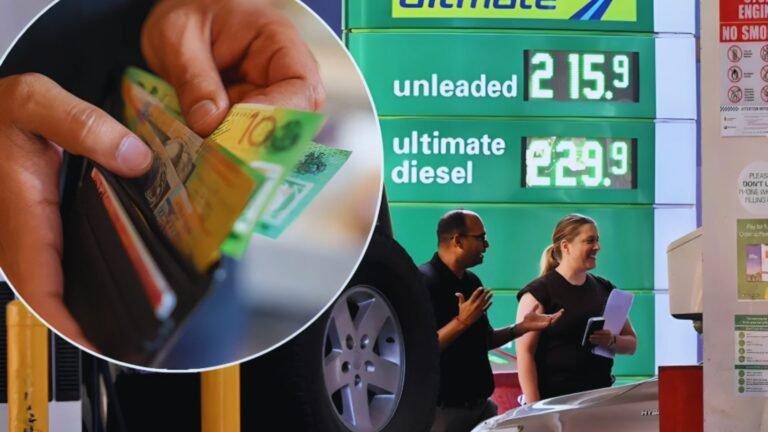
The conflict is already driving up global food and fuel prices, with fears of broader instability if the Strait of Hormuz a chokepoint for one‑fifth of the world’s oil remains restricted.
International Warnings
Russia warned that repeated strikes on nuclear facilities pose a “real risk of catastrophic disaster throughout the Middle East.”
Meanwhile, the UN nuclear agency said it is monitoring the situation closely and has not detected abnormal radiation levels in Israel.
With both sides trading threats and missiles landing closer to strategic sites, military analysts say the war is entering its most dangerous stage yet.




+ There are no comments
Add yours