
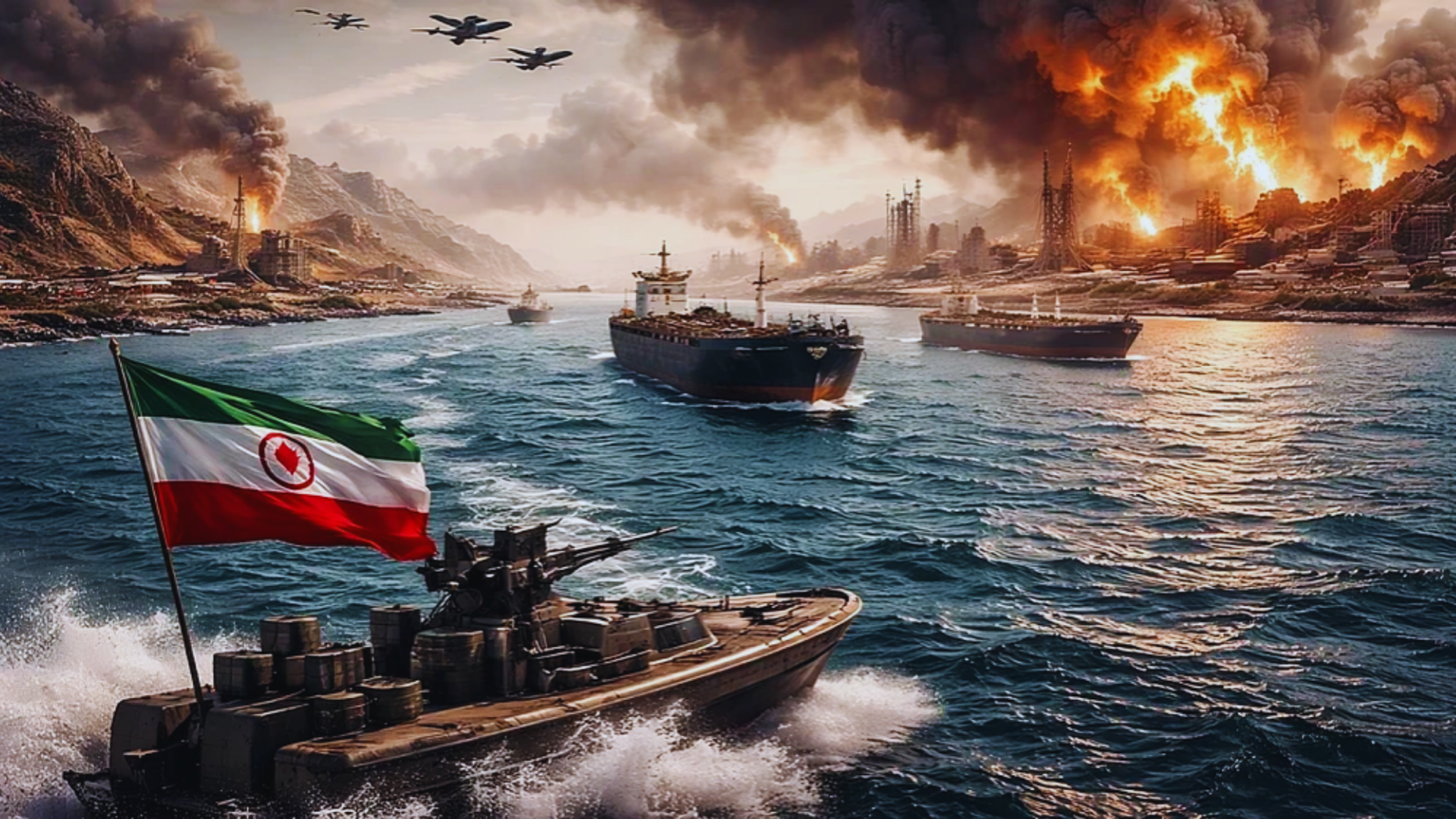
The United States and Iran have stepped back from the brink, agreeing to a conditional two‑week ceasefire after weeks of intensifying confrontation. Diplomats say Pakistan’s Prime Minister Shehbaz Sharif played a pivotal role in brokering the fragile pause, offering a rare moment of calm in a rapidly escalating regional crisis.
But the ceasefire comes with tough conditions almost all of them tied to the Strait of Hormuz, the narrow but critical waterway through which a significant share of the world’s oil supply flows. Iran is reportedly demanding up to 2 million dollars per ship for passage, a fee so steep that it remains unclear whether any shipping company has agreed to pay it. Maritime tracking data shows traffic through the strait has collapsed to just 5 percent of pre‑war levels, effectively choking one of the world’s most vital trade arteries.
Despite the near‑shutdown, Pakistan and India have secured special guarantees from Tehran to allow safe passage for some of their oil tankers. These exceptions underscore the geopolitical weight of the strait and the intense diplomatic maneuvering underway to keep essential energy routes alive.
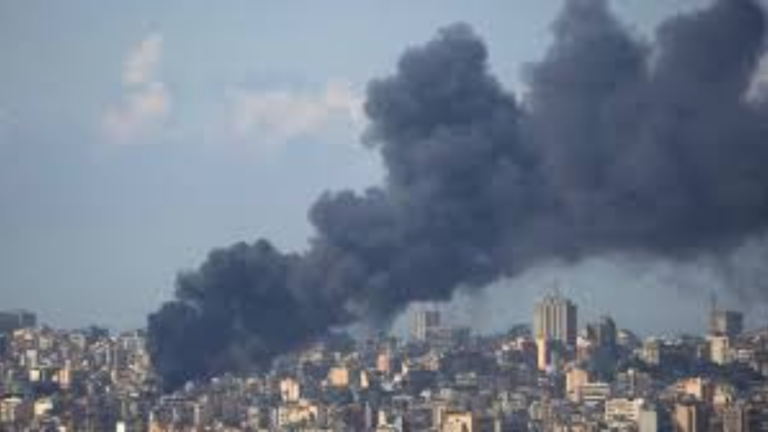
In a parallel development, the office of Israel’s Prime Minister announced support for President Trump’s decision to pause planned strikes on Iran provided Tehran immediately reopens the Strait of Hormuz and halts all attacks on the United States, Israel, and regional allies. The statement also made clear that the ceasefire does not extend to Lebanon, leaving another front of the conflict unresolved.
The temporary truce has eased tensions, but uncertainty hangs over whether Iran will meet the conditions and what the next phase of diplomacy or confrontation may bring. For now, global attention remains fixed on the Strait of Hormuz, where the world’s energy security continues to hang in the balance.






+ There are no comments
Add yours