
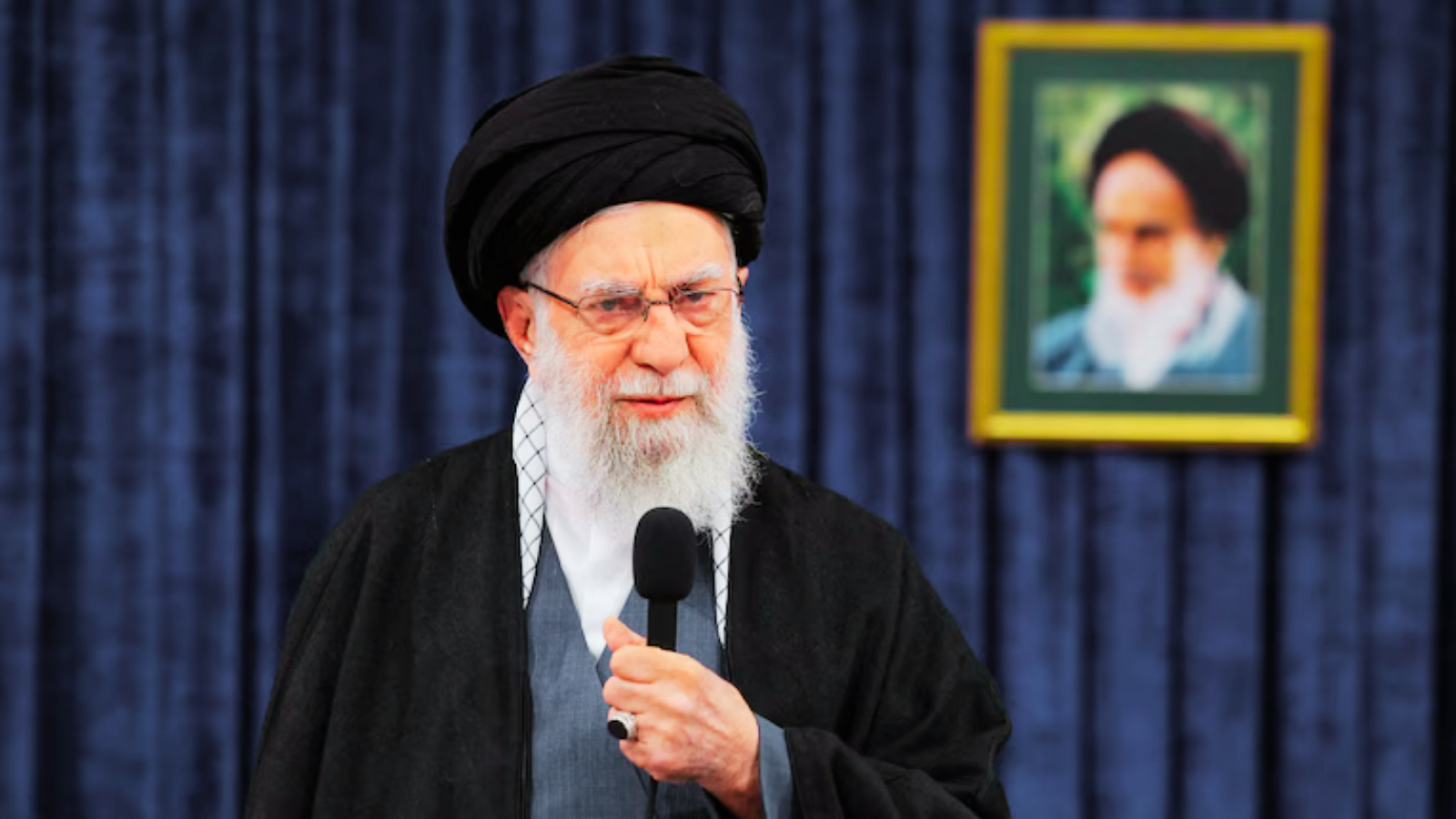
Ayatollah Ali Khamenei’s absence from Iran’s annual Air Force meeting has triggered widespread speculation, as the event is one he has attended every year since becoming Supreme Leader in 1989 even during the height of the COVID‑19 pandemic. This year, however, he was notably missing.
The meeting, held every year on 8 February, commemorates the moment in 1979 when a group of Air Force officers pledged allegiance to Ayatollah Ruhollah Khomeini during the revolution. For more than four decades, the gathering has been regarded as a symbolic reaffirmation of loyalty between the military and Iran’s religious leadership.
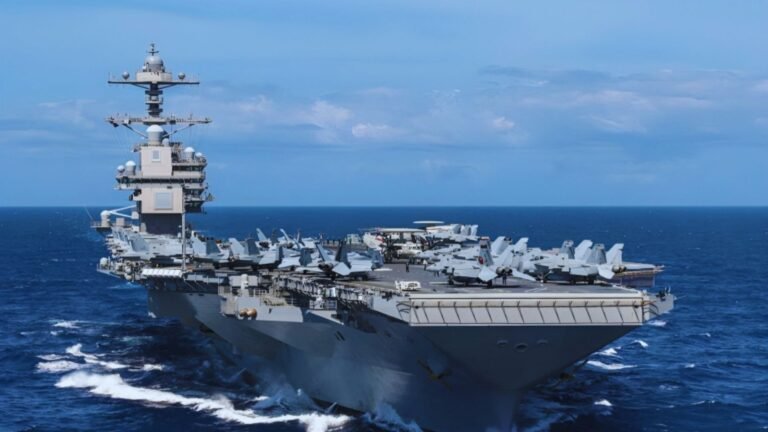
Instead of Khamenei, the session was led by Major General Abdolrahim Mousavi, chief of staff of Iran’s armed forces. His presence in place of the Supreme Leader comes at a time of heightened tension between Tehran and Washington. The United States has increased its military presence in the Middle East, raising fears of a potential confrontation.
Analysts suggest Khamenei’s absence may reflect heightened security concerns or sensitive national‑security considerations. Tehran has warned that any U.S. attack on Iran would ignite a region‑wide conflict a warning seen by some as a reference to the 12‑day Iran‑Israel war in June 2025, which left deep geopolitical scars.
Despite a ceasefire, disagreements between Iran and the United States remain unresolved, and the Supreme Leader’s unexpected no‑show has only intensified questions about the current state of affairs inside Iran’s leadership circle.






+ There are no comments
Add yours