
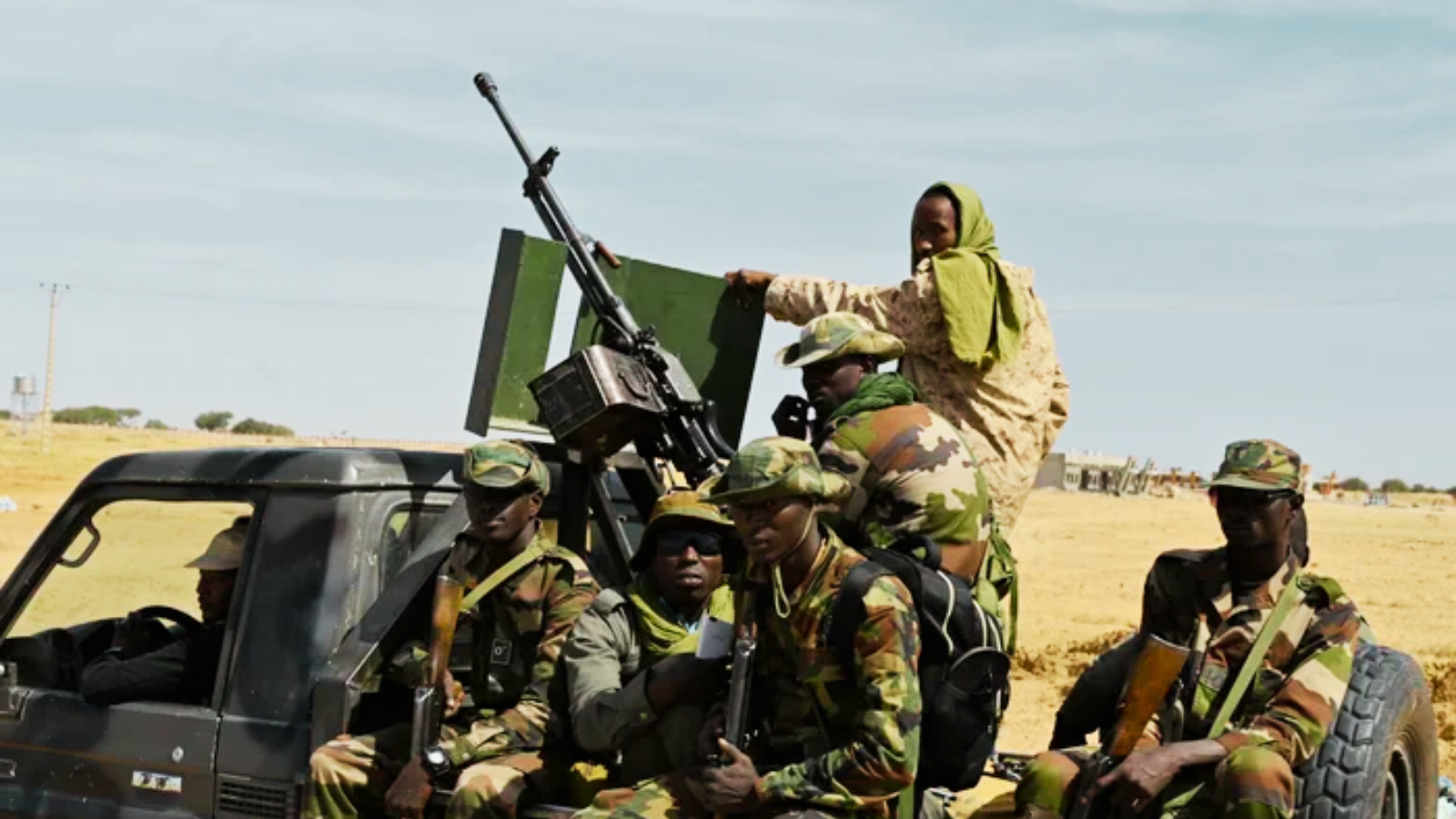
Nigeria’s newly appointed Chief of Army Staff, Lt. Gen. Waidi Shaibu, has pledged to ramp up military operations against armed groups in the country’s north, declaring that failure is “not an option” as the military enters a critical phase of its decade-long fight against insurgency. Addressing troops in Maiduguri, Borno State, Shaibu emphasized that new combat platforms and enablers have been provided to ensure success, promising a different approach to defeating extremist groups.
The announcement comes less than a week after U.S. President Donald Trump threatened to cut aid and potentially deploy American forces to Nigeria if the government failed to stop attacks on Christians. On November 1, Trump designated Nigeria a “country of particular concern” for alleged religious persecution, warning that Washington could “wipe out the Islamic terrorists” operating there.
Nigeria’s President Bola Ahmed Tinubu pushed back against Trump’s remarks, rejecting the characterization of the conflict as one of Christian persecution. Analysts and local experts argue that Trump’s comments oversimplify a complex security crisis. Nigeria’s population of 220 million is nearly evenly split between Christians and Muslims, and violence in the north stems from multiple sources:
- Boko Haram and ISWAP extremists, who target both Christians and Muslims.
- Farmer-herder clashes driven by dwindling resources.
- Communal rivalries and ethnic conflicts.
- Secessionist movements in different regions.
While Christians have suffered attacks, experts note that the majority of victims are Muslims in Nigeria’s Muslim-majority north, where extremist groups often target communities they deem insufficiently aligned with their ideology.
Shaibu’s vow to intensify operations signals a renewed military push at a time when Nigeria faces mounting pressure both domestically and internationally. His remarks suggest a shift in tactics, with promises of new platforms and strategies to break the cycle of violence that has plagued the northeast for over a decade.
The situation highlights Nigeria’s delicate balancing act: responding to internal insecurity while managing external pressure from Washington. Analysts caution that framing the conflict purely in religious terms risks obscuring the broader drivers of violence, including poverty, resource competition, and governance challenges.
As Nigeria’s army prepares for its next phase of operations, the stakes remain high. Success could bolster Tinubu’s government and reassure international partners, while failure risks deepening instability in one of Africa’s most populous nations.




+ There are no comments
Add yours