
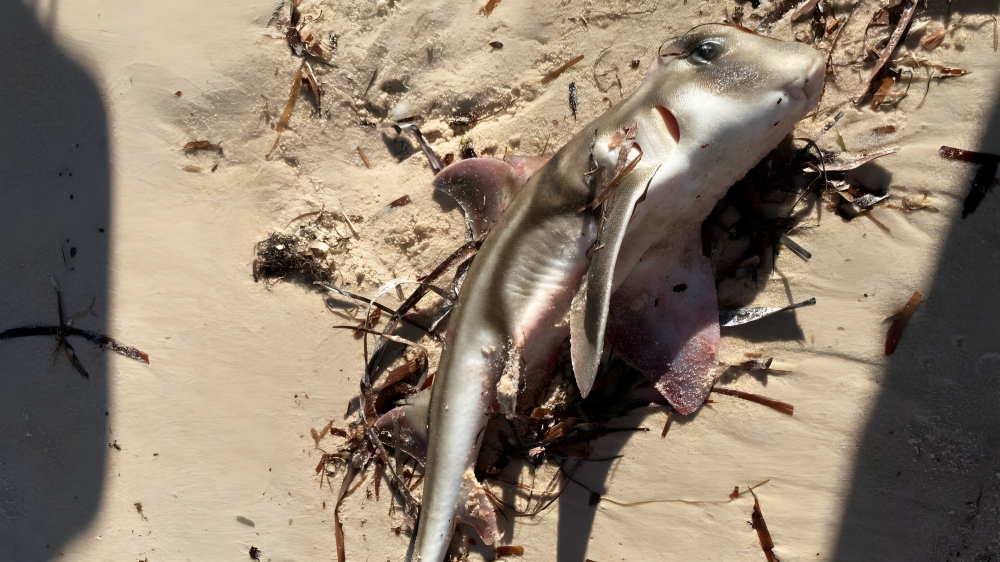
New research has uncovered that Karenia cristata the dominant algal species responsible for last year’s devastating marine kill along South Australia’s coastline has actually been present in the state’s waters for at least ten years. The finding overturns earlier assumptions that the species was new to Australia.
Scientists first identified Karenia cristata in November as the leading culprit behind the months‑long bloom, one of five Karenia species detected. At the time, UTS lead researcher Professor Shauna Murray said the species had previously only been recorded in Canada and South Africa, making its presence in Australian waters a surprise.
The latest discovery comes from a collaborative study involving UTS, SARDI, CSIRO and IMOS, which analysed archived DNA from seawater samples collected off Kangaroo Island. The results, now awaiting peer review, show the species has been quietly circulating in South Australian waters for at least a decade.
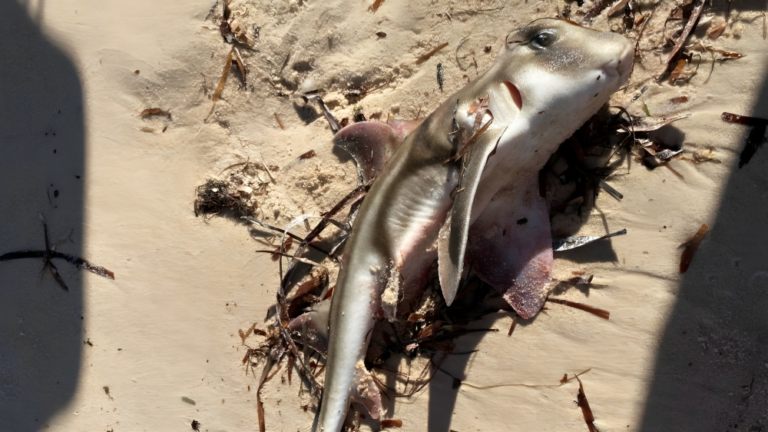
The toxic bloom was first reported last March at Waitpinga Beach near Victor Harbor, when surfers and beachgoers fell ill. Soon after, thick foam washed ashore and dead marine life began appearing in large numbers. Initial testing identified Karenia mikimotoi, but as the bloom spread along the coastline, researchers confirmed Karenia cristata as the dominant species and the one responsible for producing potent brevetoxins.
Despite the new timeline, scientists still don’t know why Karenia cristata suddenly exploded in abundance last year. Justin Seymour, who leads the Ocean Microbiology Group at UTS, said the trigger remains unclear, leaving open questions about environmental shifts, climate factors or nutrient changes that may have fuelled the bloom.
The discovery adds a new layer of complexity to understanding one of South Australia’s most destructive marine events and raises concerns about how often such blooms may occur in the future.



+ There are no comments
Add yours