

Bangladesh’s new government steps into office facing an immediate and delicate challenge: stabilising the market ahead of Ramadan. For millions of citizens, the cost of essential commodities is the most pressing concern, and the administration’s ability to rein in syndicates and prevent sudden price hikes will shape public confidence in its early days.
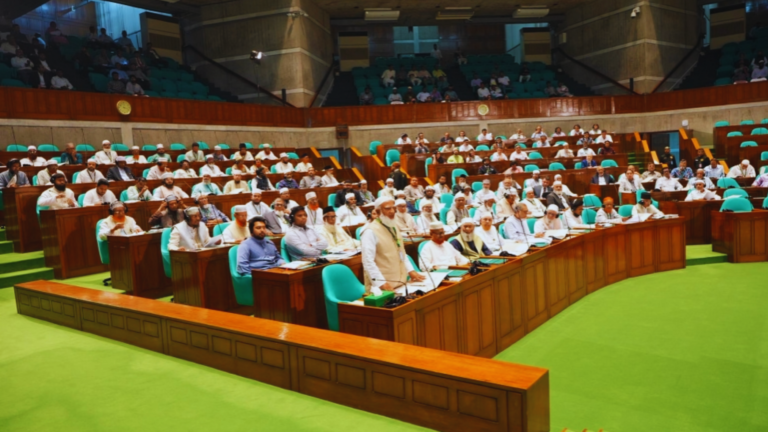
The Bangladesh Nationalist Party returned to power after two decades, forming government on Tuesday following its sweeping victory in the 13th parliamentary election on 12 February. With Ramadan only days away, the pressure on policymakers has intensified. Officials insist they have taken advance measures, including importing nearly 40 percent more essential goods than last year and closely monitoring stocks of sugar, edible oil, chickpeas, lentils and dates.
Yet consumers remain sceptical. Past assurances of “adequate stock” have often failed to translate into stable retail prices, and many fear that increased imports alone will not prevent market volatility. To cushion low‑income households, the government has expanded the Trading Corporation of Bangladesh’s operations, nearly doubling open‑market truck sales to improve access to subsidised goods. Analysts caution, however, that areas without these trucks may still face inflated prices.
Structural weaknesses in the supply chain continue to fuel frustration. Farmers may sell aubergines at Tk40 per kilogram, yet urban retailers charge up to Tk150, exposing deep inefficiencies and the influence of middlemen. The Commerce Ministry has promised stricter monitoring this year, but consumers say they will believe it only when they see results.
Market analysts note that much of the Ramadan stockpiling was completed by the interim administration. While any early‑Ramadan price spikes may not fall entirely on the new government, the public will judge how effectively it maintains stability in the coming weeks. Consumer rights leaders say the challenge is significant but manageable if authorities prioritise coordinated market management, prevent artificial shortages, and enforce accountability across the supply chain.
Commerce Secretary Mahbubur Rahman said the government has taken coordinated steps to maintain normal supply and prevent unreasonable price hikes. He confirmed sufficient public and private stocks and promised swift port clearance, warning that any attempt to create artificial shortages would be met with immediate action.
Despite these assurances, visits to Dhaka markets show prices already rising. Aubergines have climbed to Tk90–120 per kilogram, green chillies to Tk200–240, and cucumbers to Tk100–120. Chickpeas, lentils, onions, broiler chicken, eggs and sugar have all seen noticeable increases. Lemon prices have surged sharply, with small lemons selling at Tk80–100 per four and larger ones at Tk120–160. Traders say prices of key iftar items have risen by Tk30–50 per kilogram in just two days.
Analysts warn that dismantling syndicates, enforcing visible penalties and maintaining strict oversight will determine whether the government can stabilise the market during Ramadan. Despite official claims of adequate stock, the real test begins in the first week of the holy month. Smooth supply, price control and trader accountability will define the success of the government’s first Ramadan in office.










+ There are no comments
Add yours