
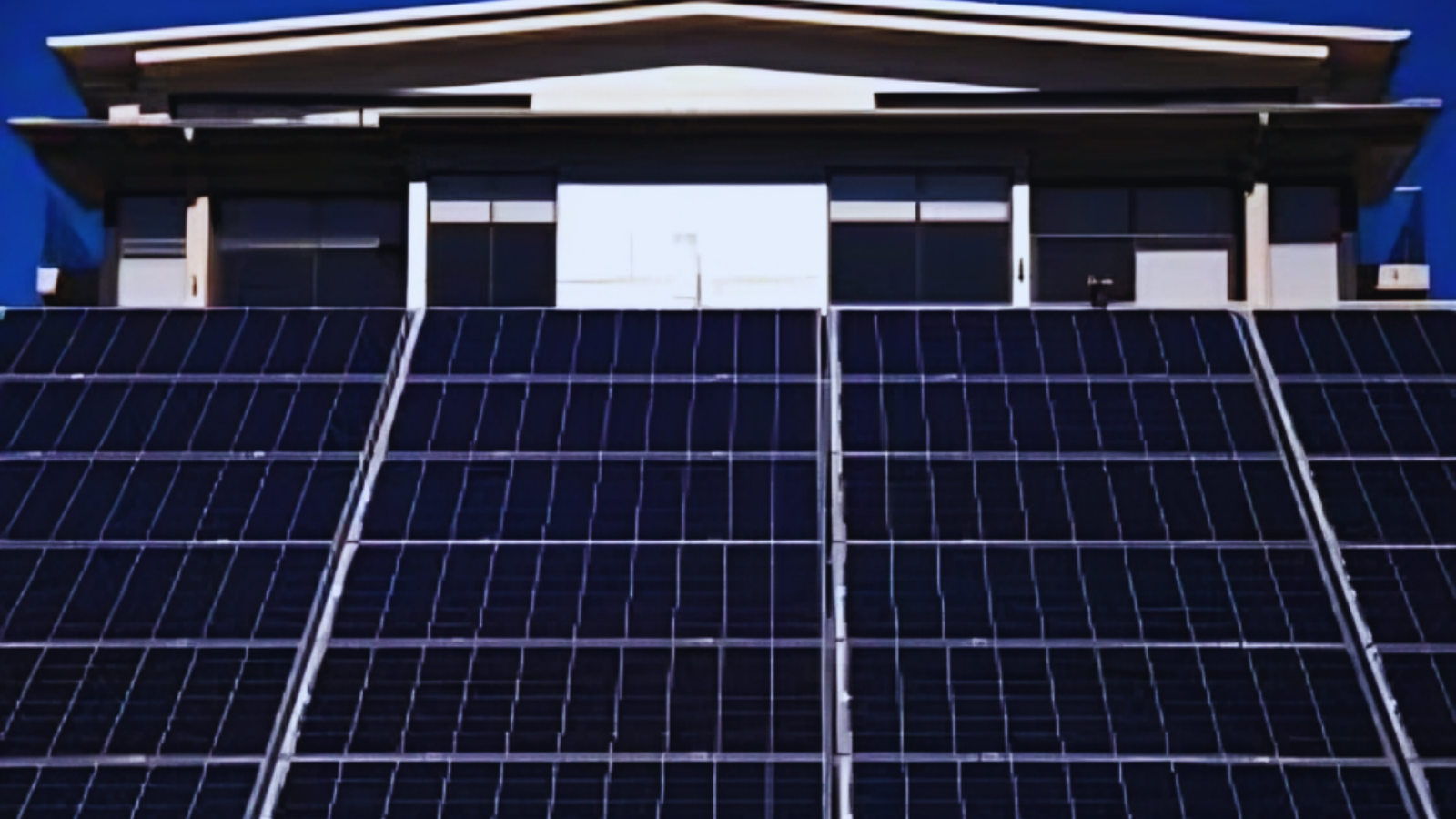
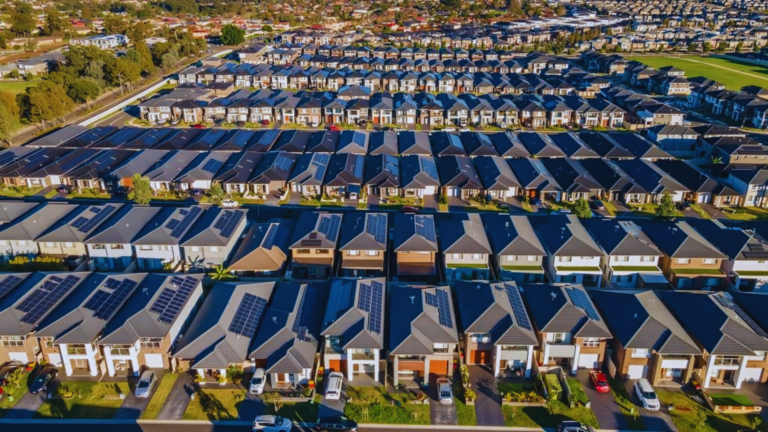
As energy prices surge, more than 4.3 million Australians have turned to rooftop solar to slash their power bills but many may not get the decades‑long lifespan they were promised. While households typically expect solar systems costing $5,000 to $10,000 to last at least 20 years, new research shows that millions of panels, especially newer high‑efficiency models, are degrading far faster in Australia’s extreme climate.
The issue has emerged over the past seven years with the rollout of advanced Heterojunction (HJT) and TOPCon modules, known as N‑Type panels. Despite being marketed as the next generation of solar technology, these panels are proving highly vulnerable to UV exposure, heat and moisture conditions far harsher than those simulated in standard laboratory tests.
Dr Poddar, whose research has tracked panel performance across the country, warns that even newer models predicted to be 35 percent more efficient are likely to suffer the same fate. Her 2024 study found that panels in Sydney, Brisbane and Perth decayed significantly faster than those in cooler cities like Melbourne, Hobart and Adelaide. In the outback places like Alice Springs the degradation is even more severe.
The problem isn’t limited to Australia. Regions such as Sub‑Saharan Africa, parts of China and India, the southern United States and Chile’s Atacama Desert are also seeing accelerated panel failure. As climate change intensifies heat and UV exposure, experts expect the issue to worsen.
To extend the lifespan of solar systems, Dr Poddar says panels must be redesigned and tested in real‑world arid and semi‑arid environments not just under controlled 25‑degree lab conditions. Some solar farms have begun trialling UV‑blocking films to protect panels, but researchers caution that these may also block beneficial wavelengths of light, and more testing is needed.
For now, the findings raise serious questions about the durability of Australia’s solar boom and whether the next generation of panels can withstand the climate they’re meant to help power.










+ There are no comments
Add yours