
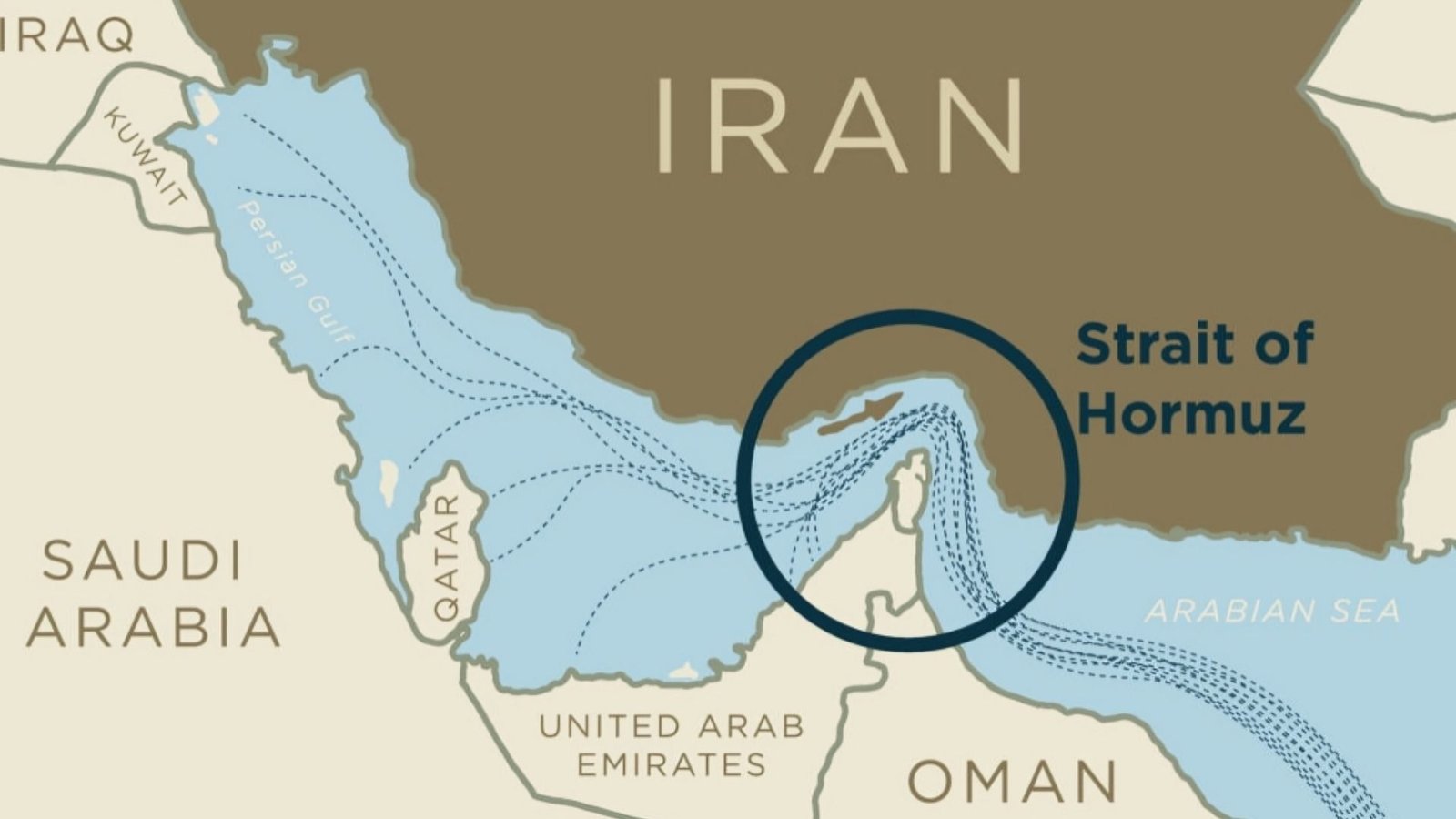
With the United States-Israeli war on Iran entering its fourth week, pressure on global oil and gas markets is intensifying as shipping through the Strait of Hormuz collapses and attacks continue near key Gulf energy facilities.
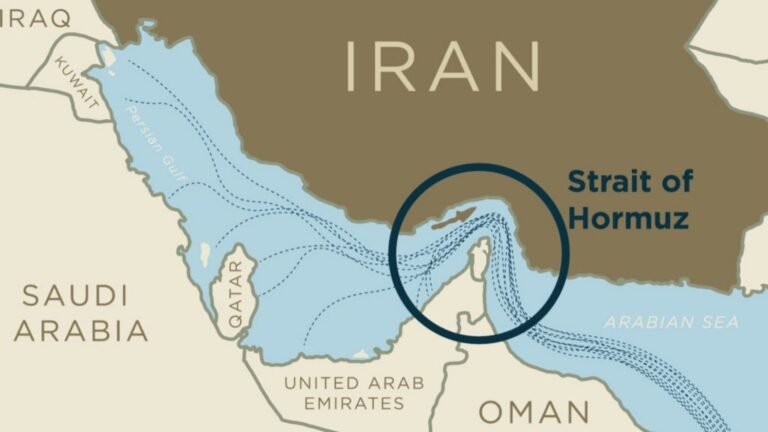
In normal times, the strait serves as the world’s most critical energy artery: 20 percent of global oil and gas, including 20 million barrels of crude per day, flows from Gulf producers to the open ocean through this narrow passage. Its effective closure has forced Middle Eastern countries to urgently explore alternative export routes to keep energy supplies moving.
The crisis escalated on March 2, two days after US and Israeli strikes on Iran began, when Ebrahim Jabari, a senior adviser to the commander of Iran’s Islamic Revolutionary Guard Corps (IRGC), declared the strait “closed”.
Any vessel attempting to pass, he warned, would be “set ablaze” by IRGC and naval forces. Since then, traffic through the waterway has plunged by more than 95 percent.
Iran has since softened its language, saying the strait is not fully closed except to ships belonging to the US, Israel and their partners but has imposed strict new conditions. All vessels must now obtain Tehran’s approval before transiting the channel.
As a result, countries have spent the past two weeks scrambling to negotiate safe‑passage arrangements with Iran. A handful of tankers, mostly flagged to India, Pakistan and China, have been allowed through under these new rules.
With the world’s most important energy chokepoint effectively paralysed, regional producers are pinning their hopes on a limited number of major pipelines though experts warn none can fully replace the scale of Hormuz.







+ There are no comments
Add yours