
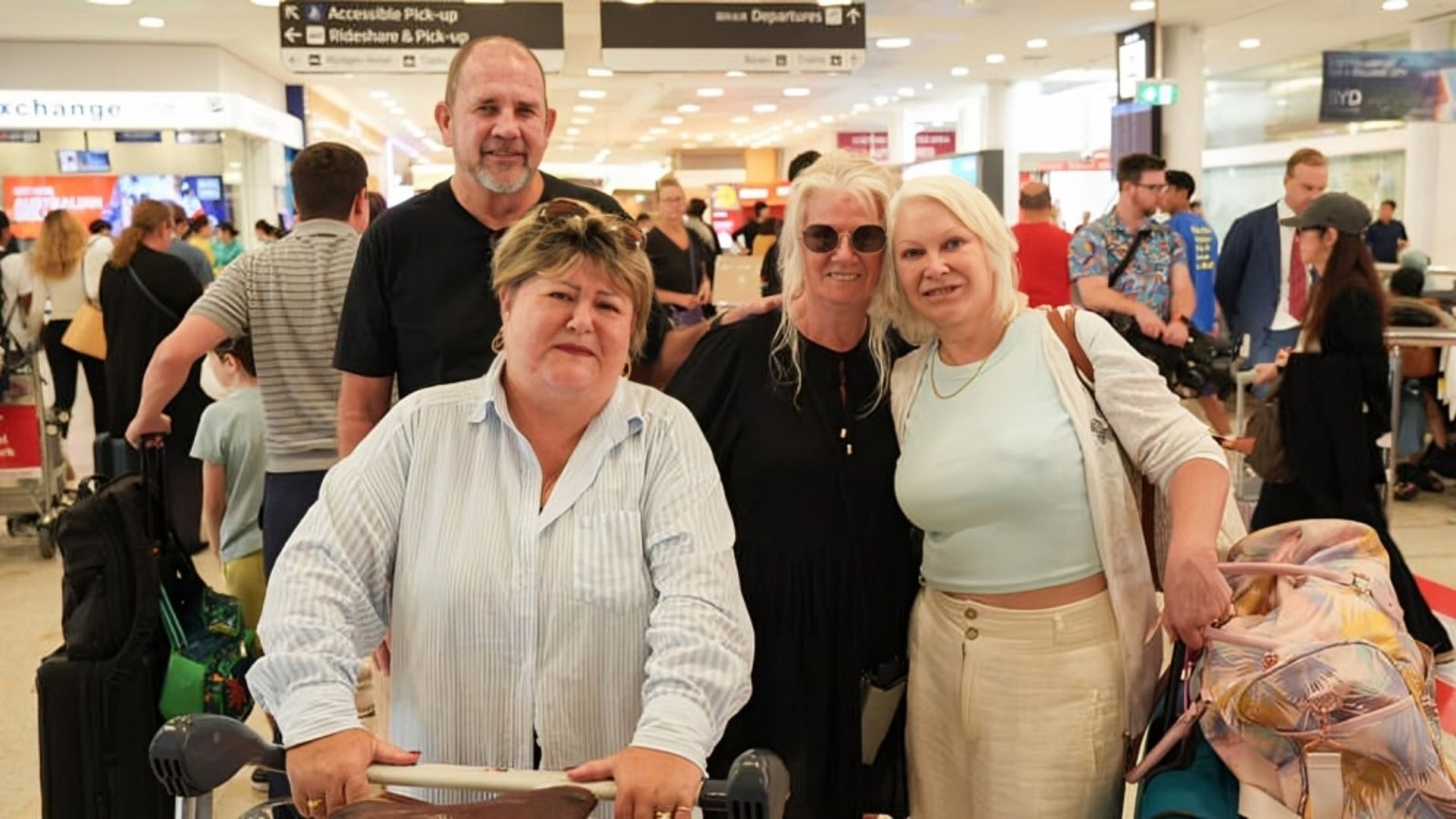
In Melbourne’s west, Indian Australian Amanthi watches her husband anxiously message his siblings in Dubai a city they once saw as one of the safest places in the world. Now, missiles and drones have lit up the skyline they called home for five years.
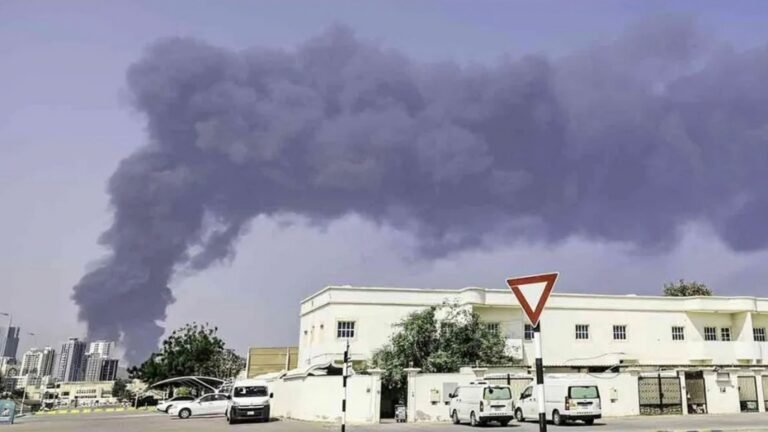
Over the past two weeks, Iran has launched around 1,700 missiles and drones at the United Arab Emirates, most of which have been intercepted by air‑defence systems. Even so, the psychological toll on residents has been immense.
Amanthi using a different name for her in‑laws’ safety fears they may not be able to escape.
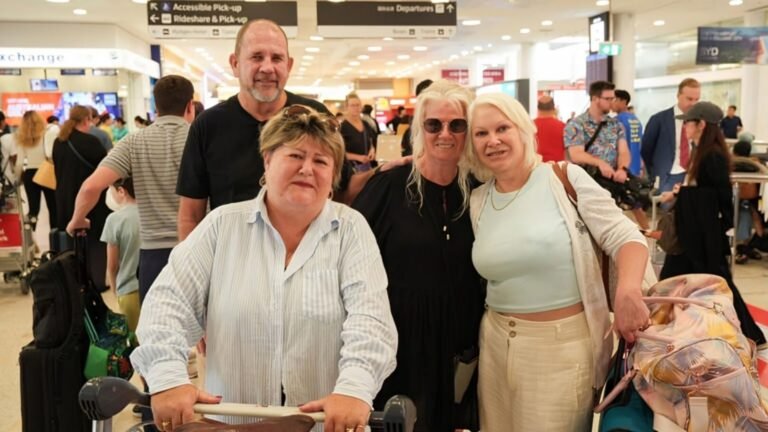
Their bags are packed. They’re ready to leave.
But leaving Dubai has become almost impossible.
“Flight prices are five to 10 times higher than usual, making it very prohibitive to leave,” she said.
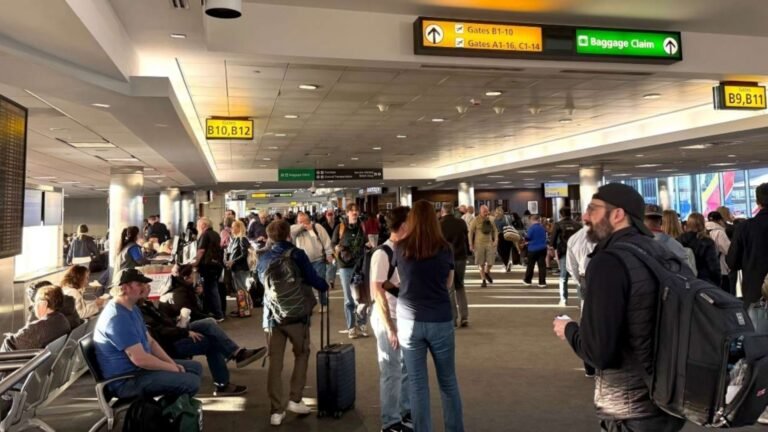
The conflict has caused tens of thousands of flight cancellations, reroutes and schedule changes worldwide, with large parts of Middle Eastern airspace now closed.
In the meantime, her in‑laws are stocking up on essentials, working from home and trying to keep their children calm as uncertainty grows.
Millions of South Asians Affected Across the Gulf
The UAE is home to one of the world’s largest expatriate populations.
Across the six Gulf Cooperation Council nations, nearly 35 million foreign nationals live and work.
In the UAE alone:
Indians are the largest group at 9 million
Bangladeshis follow at 5 million
Pakistanis are close behind
For many families like Amanthi’s the Gulf has long been a place of opportunity and stability. Now, they’re watching that stability unravel in real time.





+ There are no comments
Add yours