
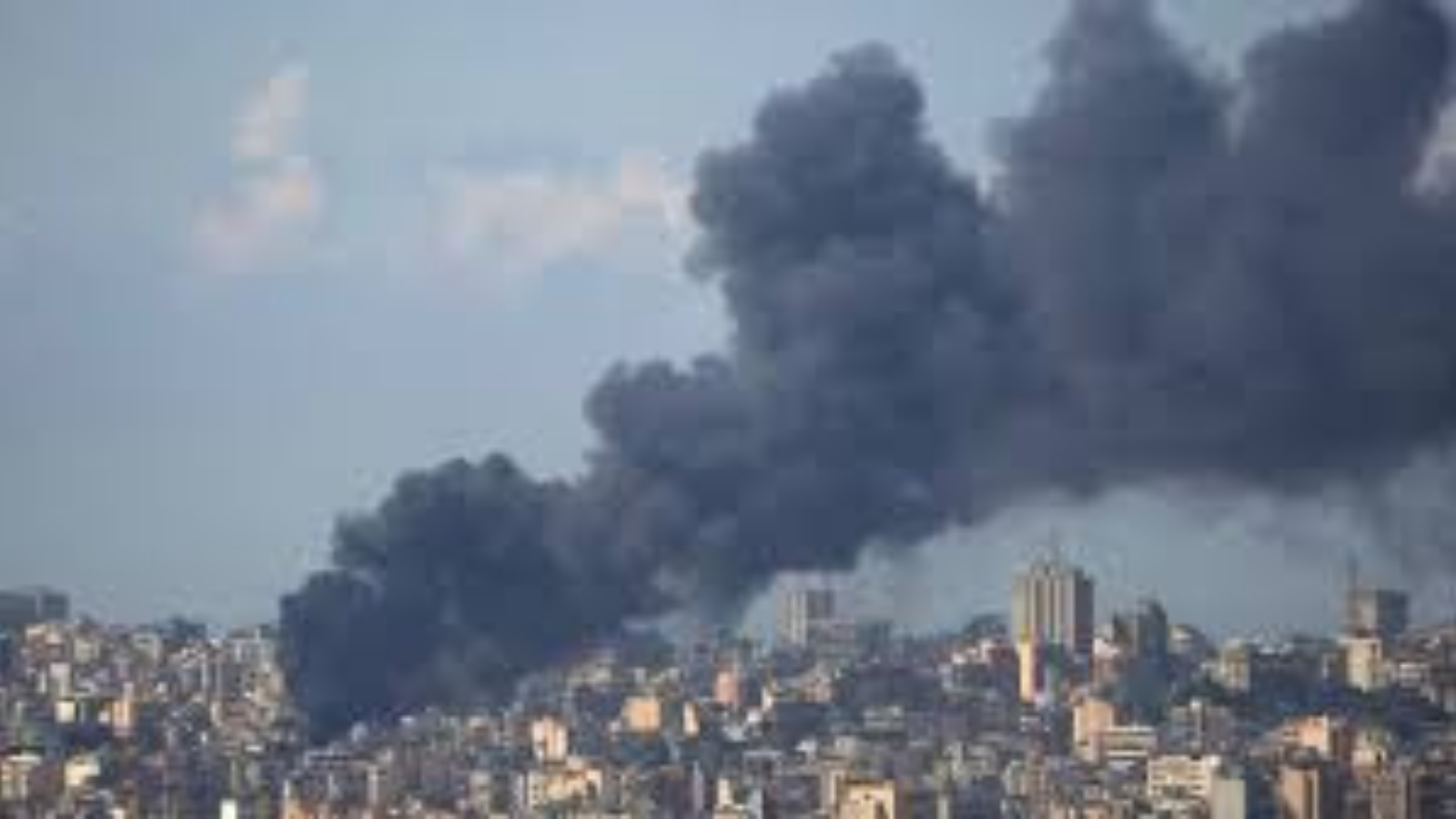
Tensions in the Middle East have surged again after Israeli strikes killed four Lebanese soldiers and left more than 200 people dead across Beirut and surrounding regions. Over a thousand others were injured in the widespread attacks, and officials fear the death toll may climb as many remain trapped under rubble.
The escalation came just one day after the United States and Iran agreed to a two‑week ceasefire. Under that arrangement, the US and Israel paused their attacks on Iran, while Tehran halted its retaliatory strikes. Pakistan’s Prime Minister Shehbaz Sharif, who helped mediate the agreement, said the ceasefire would also apply to Lebanon. However, Israeli Prime Minister Benjamin Netanyahu rejected that interpretation. Within hours, Israel launched extensive strikes across Lebanon, resulting in the deaths of more than 200 civilians and four Lebanese military personnel.
Meanwhile, Iran continues to grapple with the aftermath of more than a month of US‑Israeli military operations. According to Iranian state media, over 3,000 people have been killed since the conflict began in late February. Officials say only 40 percent of the victims have been identified so far, with forensic teams still working to match the remaining bodies. The attacks have caused severe damage not only to military sites but also to civilian neighbourhoods, deepening humanitarian concerns.
As violence spreads beyond the original fronts and the ceasefire’s scope remains contested, international observers warn that the region is once again entering a period of dangerous instability.







+ There are no comments
Add yours