
After thousands of Iranian demonstrators were killed in January’s brutal crackdown, many Iranian Americans are observing Nowruz, the Persian New Year, with a mix of sorrow, resilience and cultural pride. What is normally a season of joy has become a moment of mourning yet also a powerful reminder of community and identity.
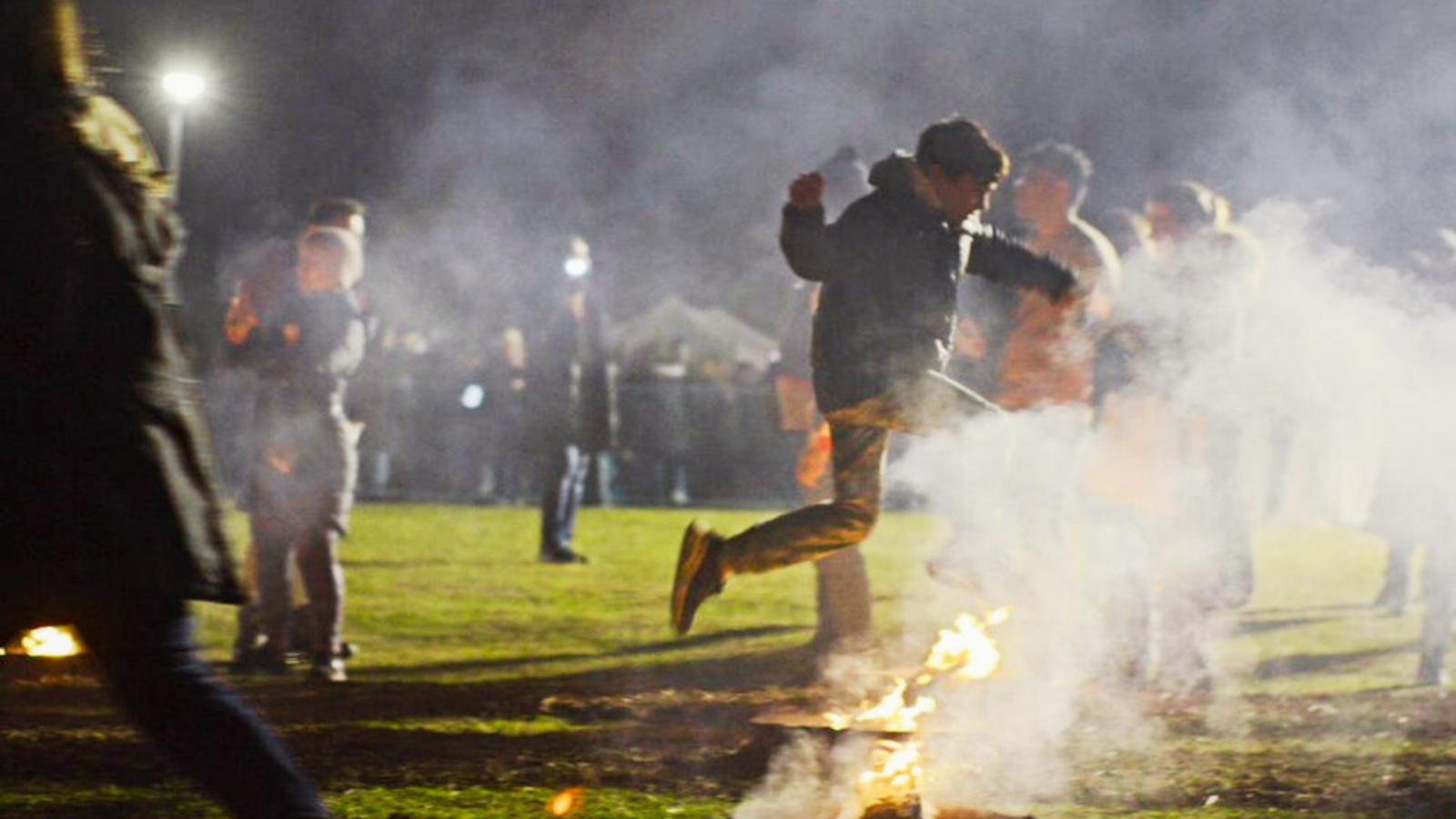
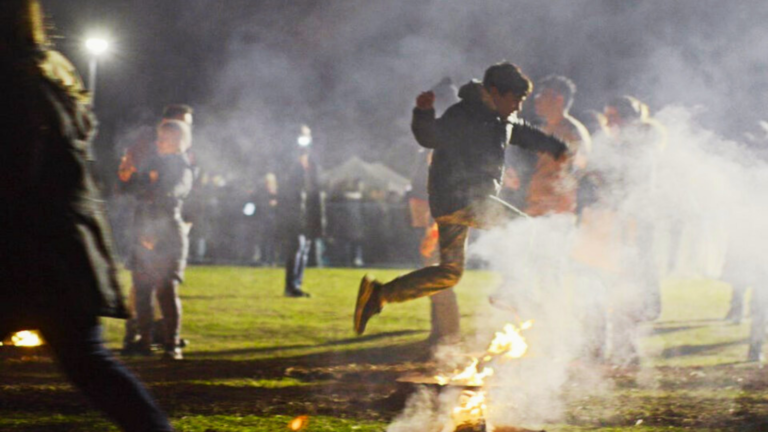
In Los Angeles, 46‑year‑old Shima Razavi Gacek chose not to host her usual springtime bonfire celebration. Instead, she organised a candlelit vigil at a local park, where photos of slain protesters lined the space and dozens of Iranian Americans jumped over tea lights in a subdued version of the traditional Chaharshanbe Suri fire‑jumping ritual.
“It is such a beautiful and joyous time of year,” she said. “This year, it’s not but we need our community more than ever.”
Across the United States, Nowruz gatherings have been scaled back or cancelled entirely. The holiday arrives less than a month after US and Israeli forces killed Iran’s Supreme Leader Ayatollah Ali Khamenei, triggering further conflict across the region. For many, celebration feels impossible.
In New York, elderly Iranian American women cancelled their annual mall gathering. “People are not in the mood to celebrate the New Year,” said Marjan Khalili of the Long Island Ladies Association. “Now we really don’t have much to welcome.”
In Southern California, the Orange County Iranian American Chamber of Commerce scrapped its annual party and instead partnered with a mental‑health clinic to support community members struggling with war‑related stress and the inability to reach family in Iran. “Everyone I hear from is not doing well,” said CEO Shani Moslehi.
Some groups, however, are choosing quiet defiance. At New York University, students replaced their usual festivities with a vigil, asking attendees to wear black. In Los Angeles, organisers cancelled a massive outdoor festival but held a concert titled Light Always Prevails, featuring artists long silenced by Iran’s regime.
Others insist that celebrating Nowruz is itself an act of resistance. In Manhattan, Hedi Yousefi hosted a Norooz Bazaar showcasing Iranian vendors and a memorial wall listing the names of 3,000 people killed in January. “They want us to be quiet,” she said. “But we have to keep our tradition alive.”
In Nashville home to the nation’s largest Kurdish community organisers are preparing a gathering meant to show solidarity across borders. “It’s not going to be a grief celebration or a sad celebration,” said Tabeer Taabur of the Tennessee Kurdish Community Council.
Back in Los Angeles, families shared dinner under the open sky, surrounded by sprouts, fruit and flowers symbols of renewal. One by one, they leapt over small fires burning in metal tins, honouring a tradition that has survived centuries of upheaval.





+ There are no comments
Add yours