
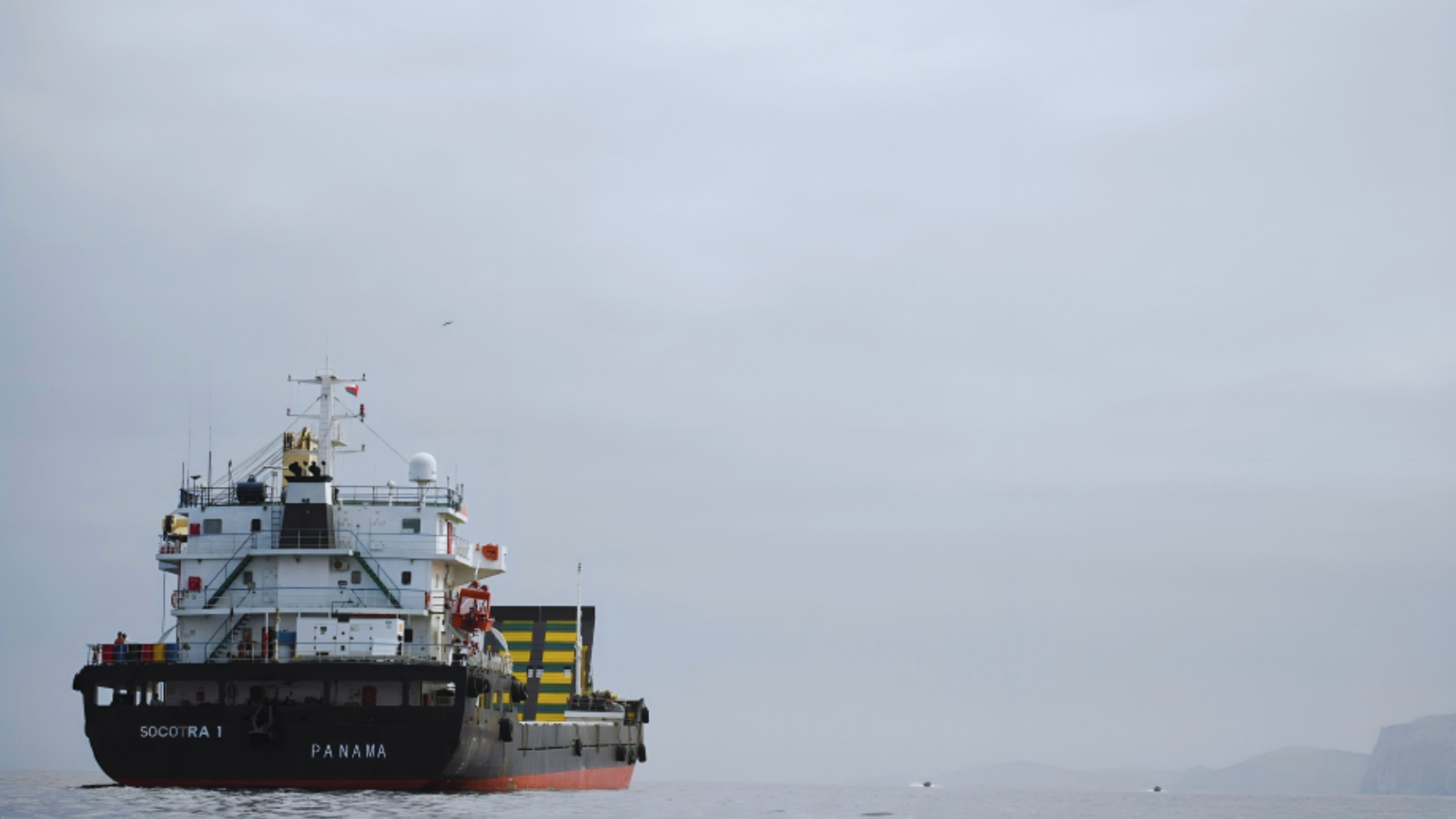
Iran’s foreign minister Abbas Araghchi says Tehran and Washington had come “very close” to an understanding during peace talks in Pakistan but the negotiations collapsed under what he described as “maximum pressure, constant shifting of conditions, and threats of blockade.” The breakdown was followed by a rapid spike in tensions.
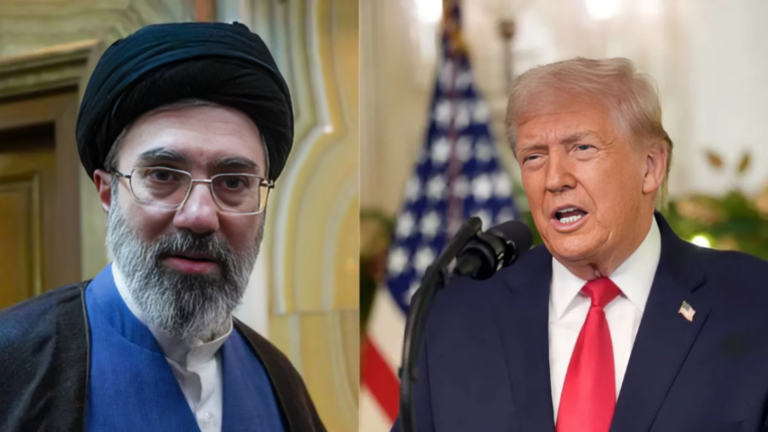
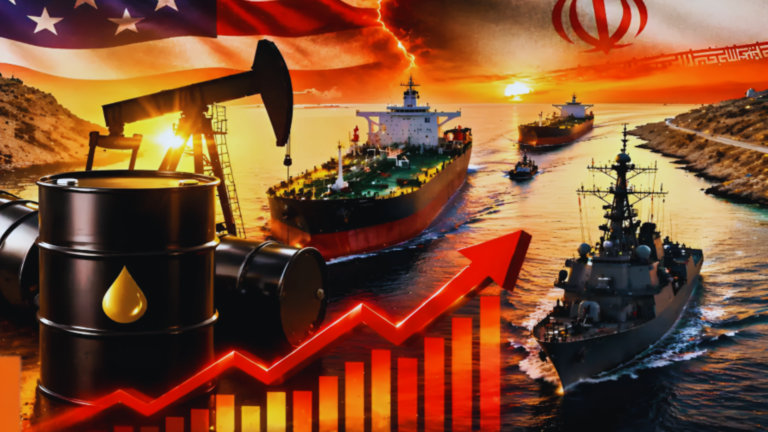
The very next day, US President Donald Trump announced on Truth Social that the United States would impose a blockade on the Strait of Hormuz and Iran’s key seaports. Within hours, Iran’s parliament speaker Mohammad Bagher Ghalibaf responded on X, declaring that Iran would not bow to US threats. He warned that while some countries may currently be benefiting from high oil prices, the so‑called blockade could soon trigger shortages and push petrol prices toward four or five dollars.
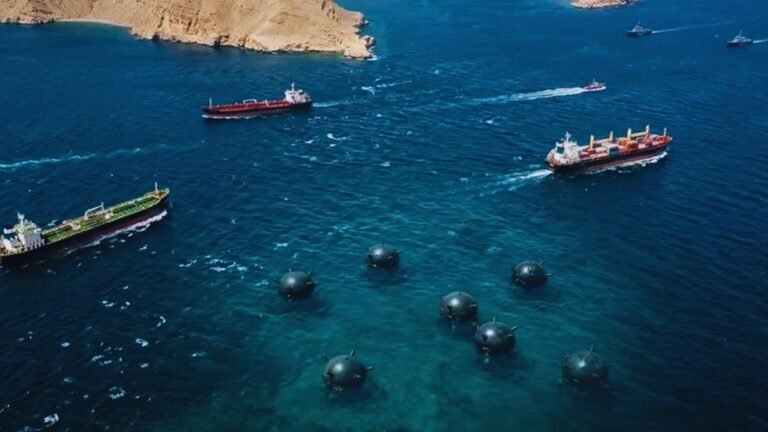
In a separate statement, Iran’s Islamic Revolutionary Guard Corps (IRGC) said it would take “severe action” against any military vessel approaching Iranian waters. The exchange of warnings has intensified uncertainty around the Strait of Hormuz a chokepoint for global energy supplies and has added fresh volatility to international oil markets.







+ There are no comments
Add yours