
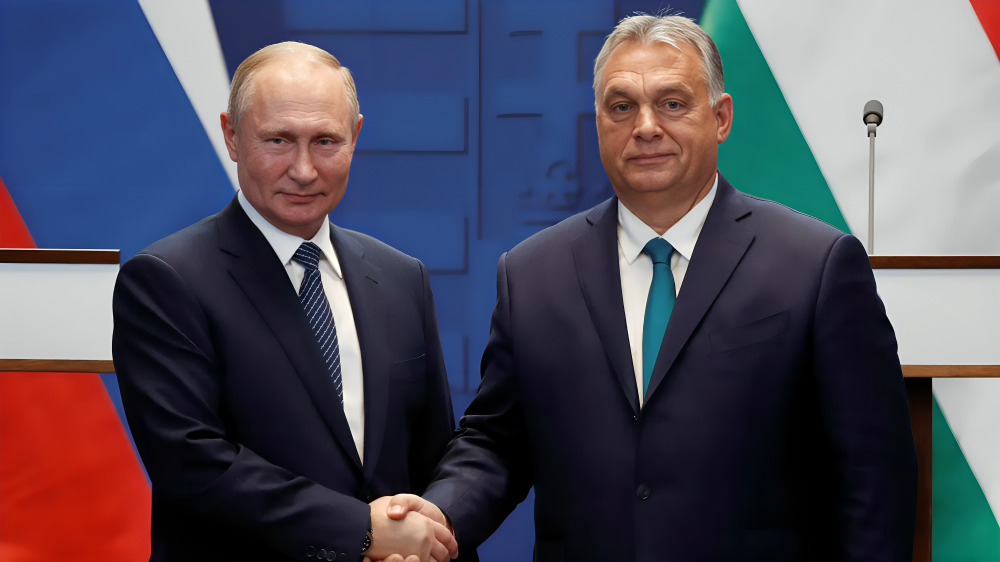
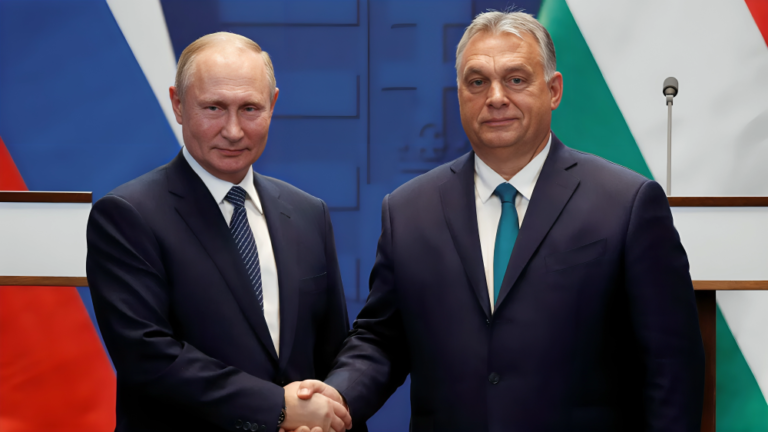
Hungary is pressing Russia for firm guarantees that the price of oil and gas supplied to Budapest will not rise, even as global energy markets surge in response to escalating conflict in the Middle East. Foreign Minister Peter Szijjarto travelled to Moscow on Wednesday, where he is scheduled to meet President Vladimir Putin at the Kremlin to push the request.
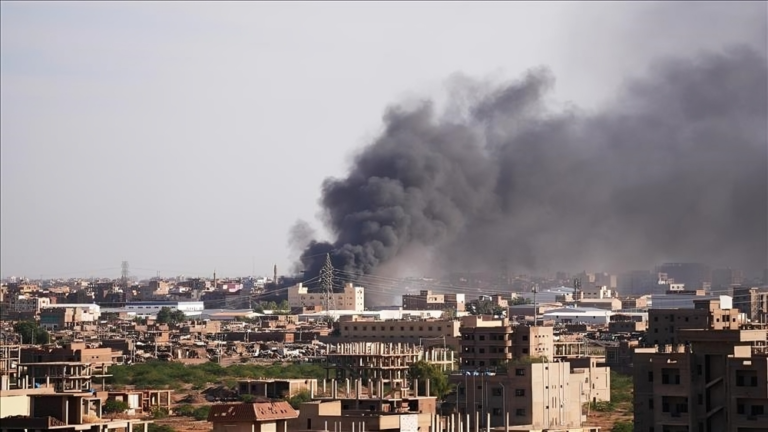
Energy prices have spiked sharply since the United States and Israel launched strikes on Iran over the weekend, sending the benchmark price of Russian crude soaring. For Hungary the European Union’s largest remaining buyer of Russian fossil fuels the timing could not be worse. Budapest has continued purchasing Russian energy throughout the Ukraine war, securing exemptions from EU sanctions despite mounting pressure from Brussels.
Compounding the crisis is the shutdown of the Druzhba pipeline, a Soviet‑era route that delivers Russian oil to Hungary via Ukraine. Kyiv says the pipeline was damaged in a Russian strike in January and warns that the threat of further attacks is delaying repairs. Hungary and Slovakia, which also relies heavily on Russian crude, accuse Ukraine of intentionally slowing the process to squeeze their energy supplies.
Szijjarto said he would seek assurances that Hungary’s energy flow will remain uninterrupted. “The crude oil and natural gas necessary for Hungary’s energy supply must continue to be available to us,” he said, adding that he wants guarantees that Russia will maintain deliveries “at unchanged prices” despite the global energy shock.
The Kremlin has pushed back against Kyiv’s claims, with spokesman Dmitry Peskov accusing Ukraine of “deliberately blocking” deliveries through the Druzhba pipeline and saying buyers of Russian oil are now “facing blackmail.”
As Europe braces for further volatility, Hungary’s high‑stakes diplomacy underscores just how exposed the continent remains to geopolitical shocks and how deeply energy politics continue to shape the region’s alliances and tensions.


+ There are no comments
Add yours