
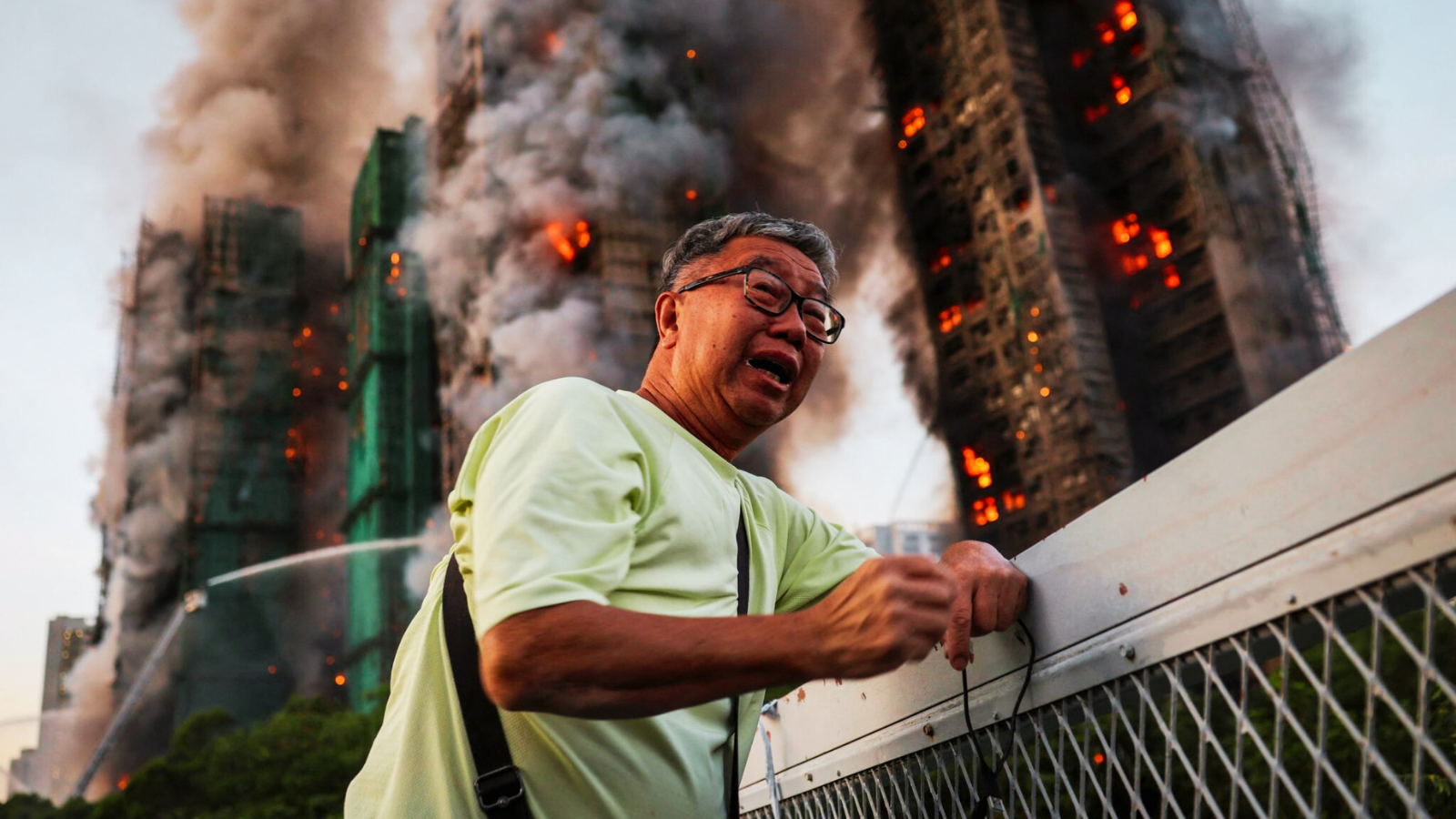
Citizens of Hong Kong went to the polls on Sunday in Legislative Council elections overshadowed by grief and outrage following the city’s deadliest fire in nearly eight decades. Authorities focused heavily on turnout as residents mourned the disaster and questioned the government’s accountability.
Fire Tragedy and Public Backlash
The blaze, which erupted on November 26 in Tai Po near the mainland border, engulfed seven towers and killed at least 159 people. It took nearly two days to extinguish. Officials later admitted that substandard building materials used during renovations had fueled the inferno.
In response, authorities launched criminal and corruption investigations and deployed around 100 police officers to patrol the Wang Fuk Court area, where the fire occurred.
Distrust and Boycotts
Local residents expressed anger at the government’s handling of the tragedy. A 77-year-old man named Cheng, who lives near the charred buildings, said he would not vote. “This is a result of a flawed government. There is not a healthy system now and I won’t vote to support those pro-establishment politicians who failed us,” he said, declining to give his full name out of fear of reprisal.
At a nearby memorial site, signs indicated authorities planned to clear the area once voting ended, reflecting official unease over public anger.
Tightened Controls
The election comes under strict rules introduced in 2021, which mandate that only pro-Beijing “patriots” can run for the 90-seat legislature. Publicly inciting a boycott has been criminalized, further squeezing out pro-democracy voices. Analysts say the changes have drastically reduced meaningful democratic participation.
Beijing’s national security office warned against using the fire to “disrupt Hong Kong” and cautioned foreign media not to “smear” government efforts.
A Test of Beijing’s Grip
The vote is seen as a major test of Beijing’s control over Hong Kong, which has been reshaped under a sweeping national security law following the mass pro-democracy protests of 2019. Pro-democracy voters, once the majority, have largely shunned elections since the overhaul.








+ There are no comments
Add yours