
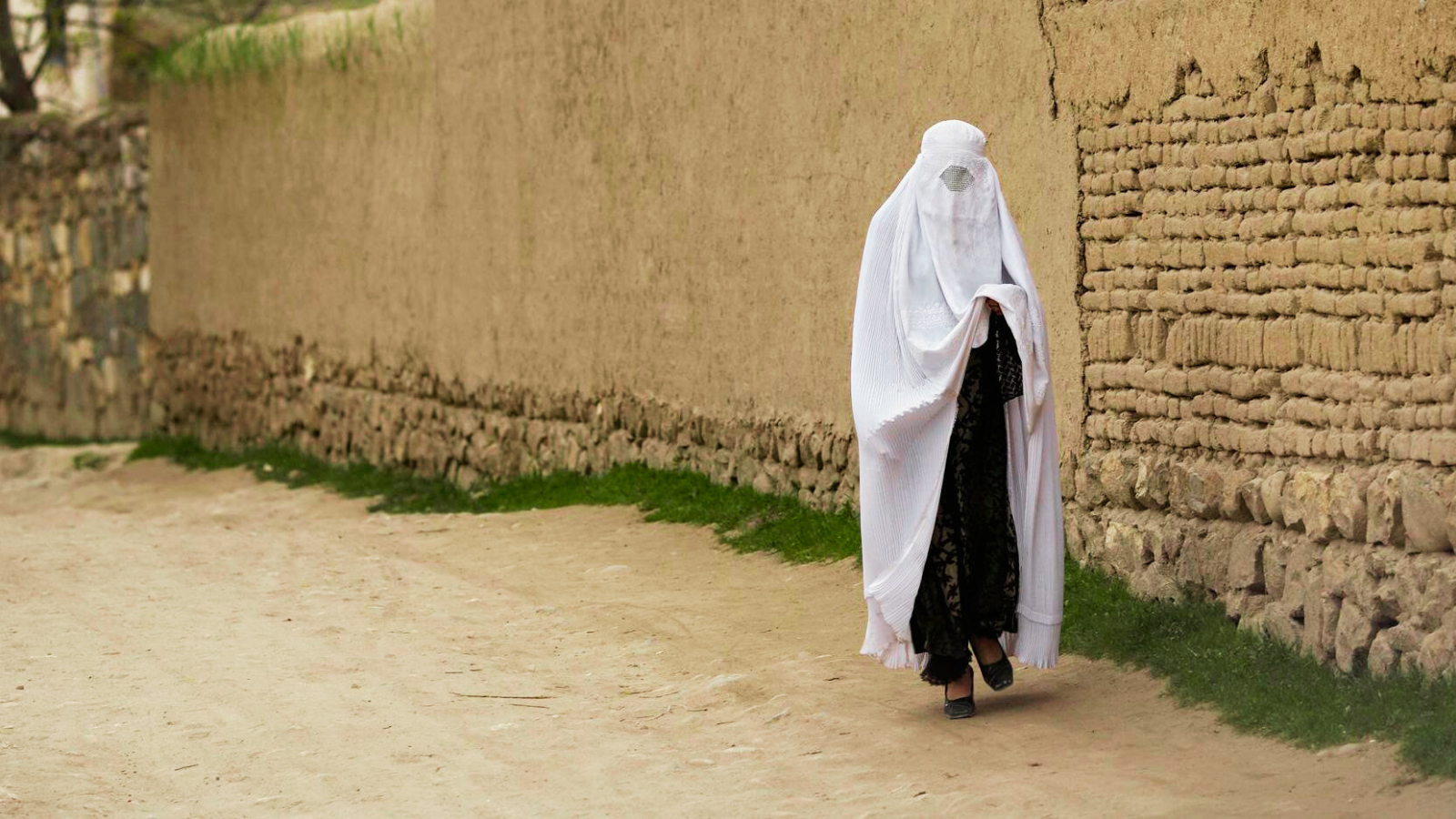
In western Afghanistan’s city of Herat, the Taliban administration has introduced a new directive that has created a major barrier for women seeking healthcare. Since November 5, female patients, nurses, and staff have been required to wear a burqa before being allowed to enter hospitals.
Impact on Healthcare
International humanitarian group Médecins Sans Frontières (MSF) reported that since the enforcement of the rule, emergency admissions have fallen by 28%. MSF’s Afghanistan program manager, Sarah Chateau, said the restrictions have made life “even harder for women” and are preventing them from accessing essential medical services. She stressed that even women in urgent need of treatment are being turned away, worsening the humanitarian crisis.
Taliban’s Response
The Taliban government has denied MSF’s claims, insisting that the Ministry’s position is about wearing hijab, not specifically the burqa. Officials argue that the reports are exaggerated, though international observers note that enforcement has been strict in Herat. Following global concern, some reports suggest the restrictions have been partially relaxed in certain areas, though uncertainty remains about how consistently this is applied.
Broader Context
Since regaining power in 2021, the Taliban has imposed sweeping restrictions on women’s rights, severely limiting their access to education, employment, and public life. The new hospital rule in Herat is seen as part of this broader pattern of exclusion. International organizations warn that such measures will further endanger women’s health, especially in a country already struggling with limited medical infrastructure.
For many Afghan women, the burqa mandate represents not only a physical barrier to healthcare but also a symbol of the shrinking space for women in society. Humanitarian groups continue to call for the Taliban to lift restrictions that prevent women from receiving life-saving treatment.



+ There are no comments
Add yours