
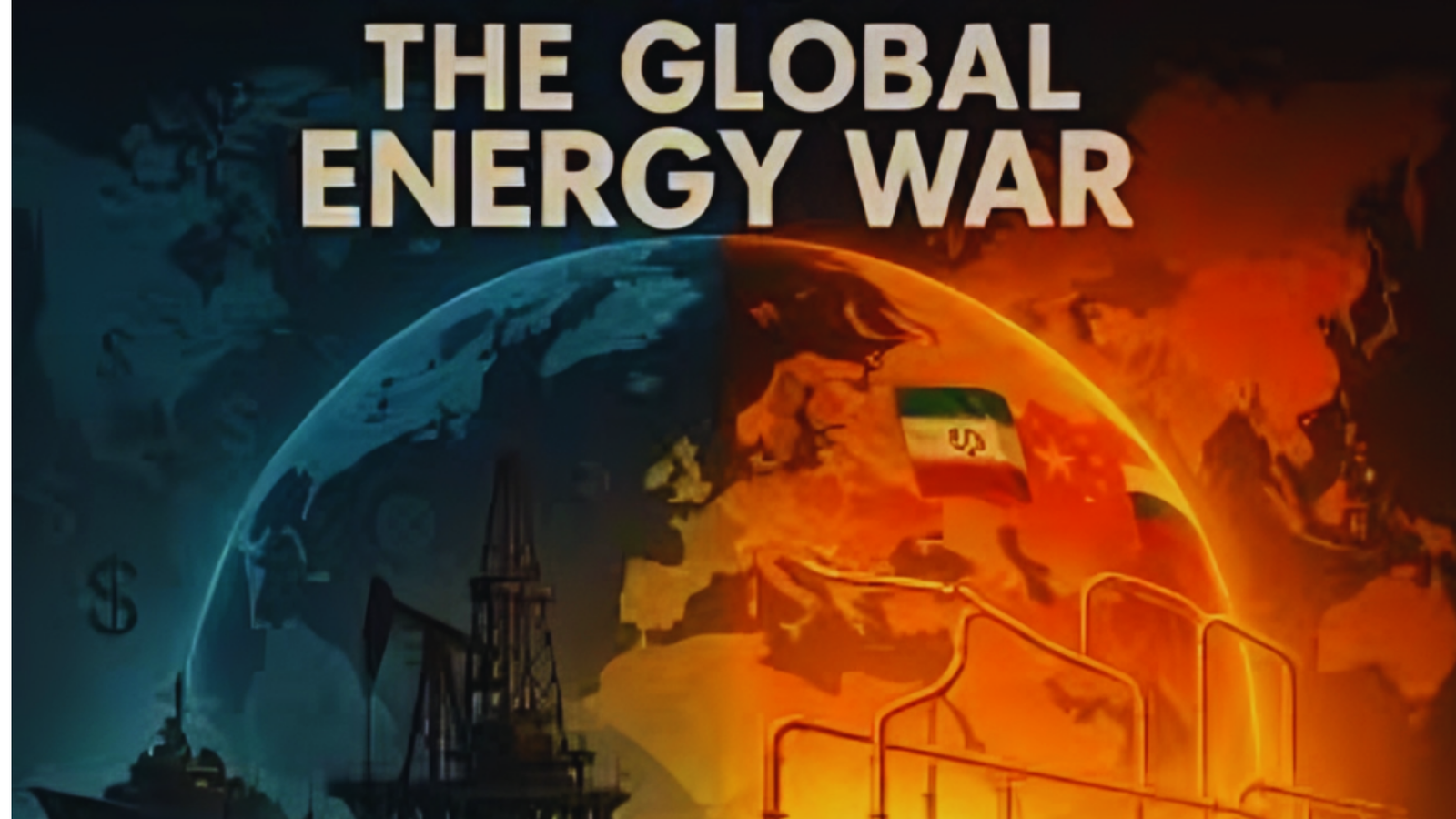
The world may be heading toward its most severe energy crisis in half a century, according to International Energy Agency Executive Director Fatih Birol, who issued an unusually stark warning during a speech in Canberra.
Birol said the escalating war in the Middle East has already disrupted oil supplies on a scale greater than the two infamous oil shocks of the 1970s combined a comparison that underscores the gravity of the moment.
Birol noted that during each of the 1970s crises, the world lost around five million barrels of oil per day. Today, he said, the global market has already shed 11 million barrels daily, a staggering figure that signals deepening instability. He cautioned that if the conflict continues to intensify, “no country will be immune” from the economic fallout, urging coordinated international action to prevent a full‑blown global energy emergency.
The warning comes as the Middle East is engulfed in a widening conflict involving Iran and several regional actors. The fighting has severely disrupted production and threatened key supply routes, including the Strait of Hormuz the narrow passageway through which roughly one‑fifth of the world’s oil flows. Any prolonged obstruction there could send shockwaves through global markets.
Tensions have escalated further following Israeli strikes on Iranian energy facilities, including a major gas field. The attacks have pushed energy prices sharply higher and rattled governments and financial institutions already anxious about long‑term supply stability. With the conflict showing no signs of easing, fears are mounting that the world could be entering a new era of chronic energy volatility.










+ There are no comments
Add yours