
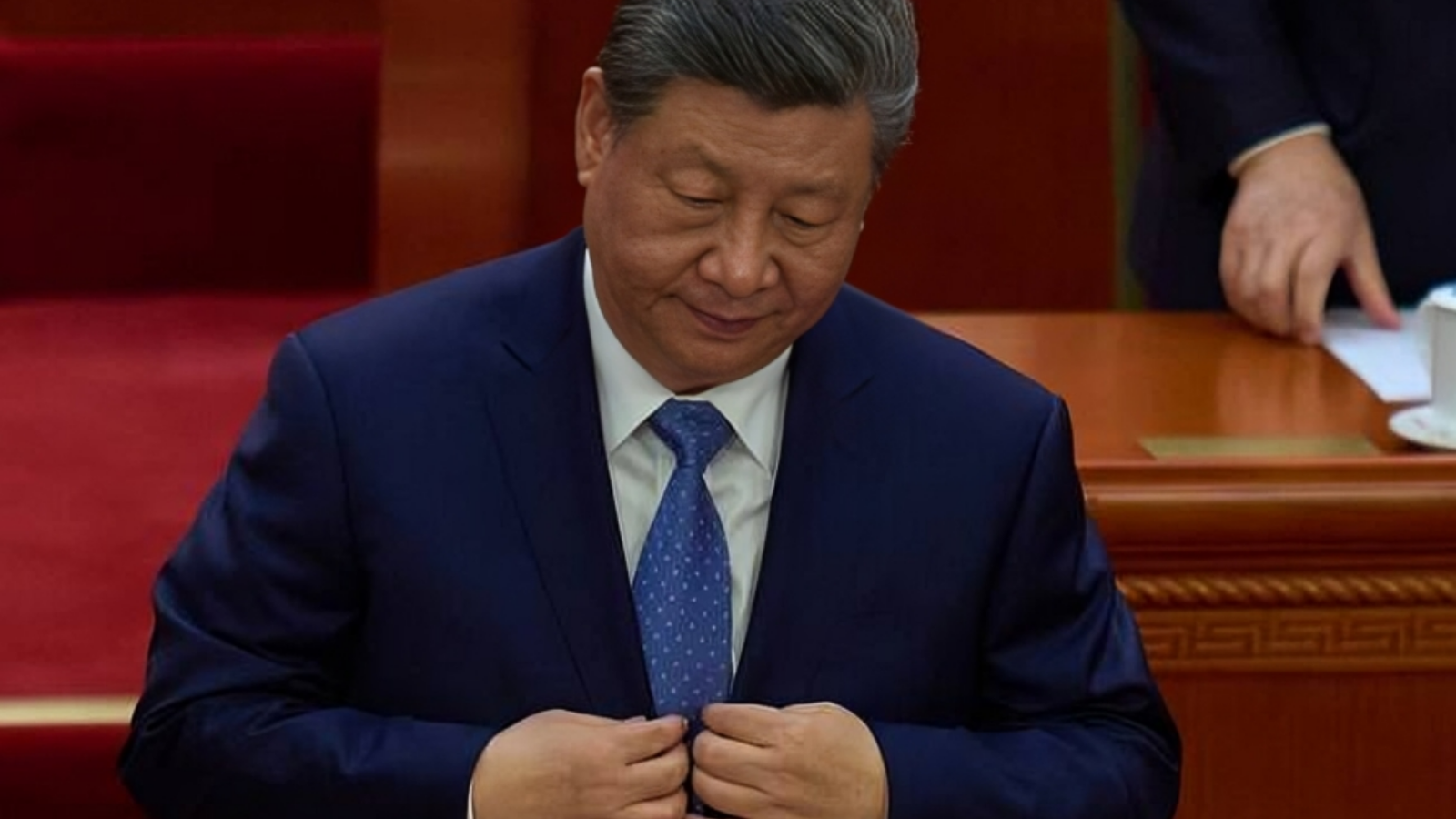
China is intensifying its diplomatic push around the Iran war, unveiling a joint five‑point proposal with Pakistan, rallying backing from Gulf states and opposing a United Nations plan that would authorise the use of force to reopen the Strait of Hormuz.
The effort marks Beijing’s latest attempt to project itself as a major global power though analysts say the initiative may be more symbolic than substantive, especially with Washington showing little appetite for Chinese mediation.
Sun Yun, director of the China program at the Stimson Center, said the conflict has created an opening Beijing is eager to exploit. “The war with Iran is the priority of all countries in and outside the region. It is an opportunity China will not miss to demonstrate its leadership and diplomatic initiative,” she said.
But former senior US diplomat Danny Russel described China’s diplomacy as “performative”, comparing the five‑point proposal to Beijing’s 2023 Ukraine plan a document he said was “filled with platitudes but never acted on.” According to Russel, China’s messaging aims to contrast itself with Washington by portraying the US as reckless and China as a responsible advocate for peace.
A spokesperson for the Chinese Embassy in Washington insisted Beijing has been working “tirelessly for peace” since the war began.
According to US officials, the Trump administration has shown little enthusiasm for China’s involvement. Washington has grown wary of third‑party mediation and is reluctant to give Beijing any diplomatic win in the Middle East.
One official described the US stance on the China‑Pakistan proposal as “agnostic,” though all noted that the position could shift depending on President Donald Trump’s views ahead of his planned summit with Xi Jinping.
For Beijing, there is a clear incentive to see the conflict ease before Trump’s mid‑May visit. The president already postponed the trip once, citing demands of the war. “There is no guarantee that Trump may not delay the trip to China again if the war rages on,” Sun said.
The conflict escalated sharply on Friday when Iran shot down two US military aircraft, the first such incident since the war began five weeks ago. Trump later told NBC News the incident would not affect negotiations with Iran, days after declaring that the US had “beaten and completely decimated Iran.”
China Calculates the Cost of a Prolonged Strait of Hormuz Crisis
For now, China is less exposed to disruptions in the Strait of Hormuz than many other nations. It has diversified its energy imports, reduced reliance on fossil fuels and maintains a large strategic petroleum reserve. Only about 13 percent of China’s oil imports come from Iran.
Beijing is also working directly with Tehran to ensure Chinese‑flagged vessels can continue passing through the strait, where Iran’s control has driven global energy prices sharply higher.
Still, analysts say China is deeply concerned about the long‑term consequences of a drawn‑out conflict. Even with its energy buffers, Beijing has a strong interest in seeing the war de‑escalate and the strait stabilised.



+ There are no comments
Add yours