
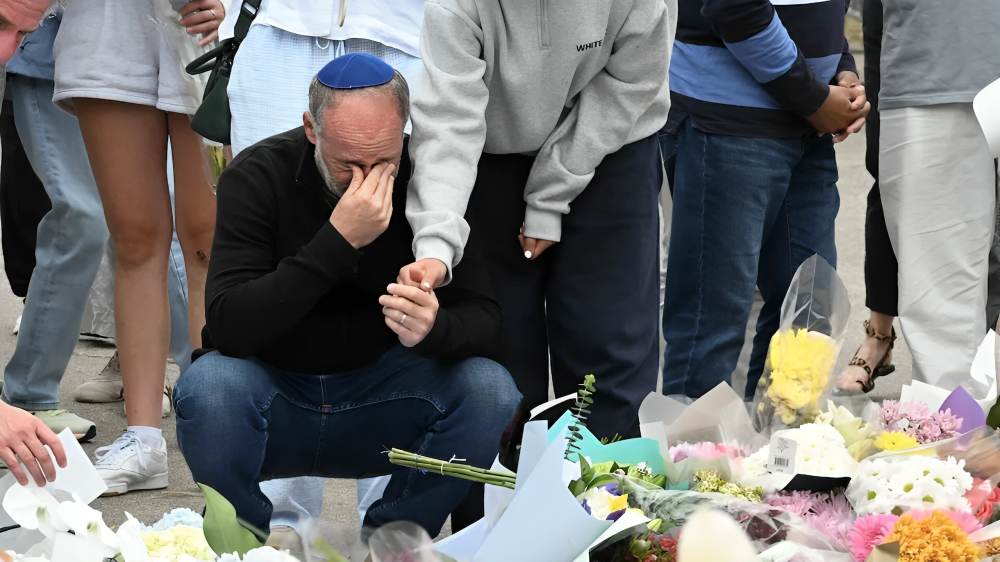
At least 16 people, including a 10-year-old child, were killed when two gunmen opened fire on a crowd celebrating Hanukkah in a public park at Sydney’s Bondi Beach on Sunday. Dozens more were injured in what authorities have described as a terrorist attack.
The Jewish community has long been a target of extremist ideologies, and experts in the field had warned that a major assault on Australian soil was possible. While investigators continue to piece together details of the Bondi attack, much remains unclear about the gunmen themselves.
Beyond the immediate tragedy, the incident has reignited concerns about antisemitic sentiment more broadly. Early-stage research has documented a sharp rise in antisemitic rhetoric since October 7. Analysts have been training artificial intelligence systems to monitor online conversations across social media platforms, focusing on content directed at Australian communities, including Jewish people.
This process involves human collaboration, with extremism experts and members of the Jewish community labeling material to help the AI distinguish between hateful and non-hateful content. The findings point to a troubling trend that underscores the urgency of addressing antisemitism both online and offline.










+ There are no comments
Add yours