
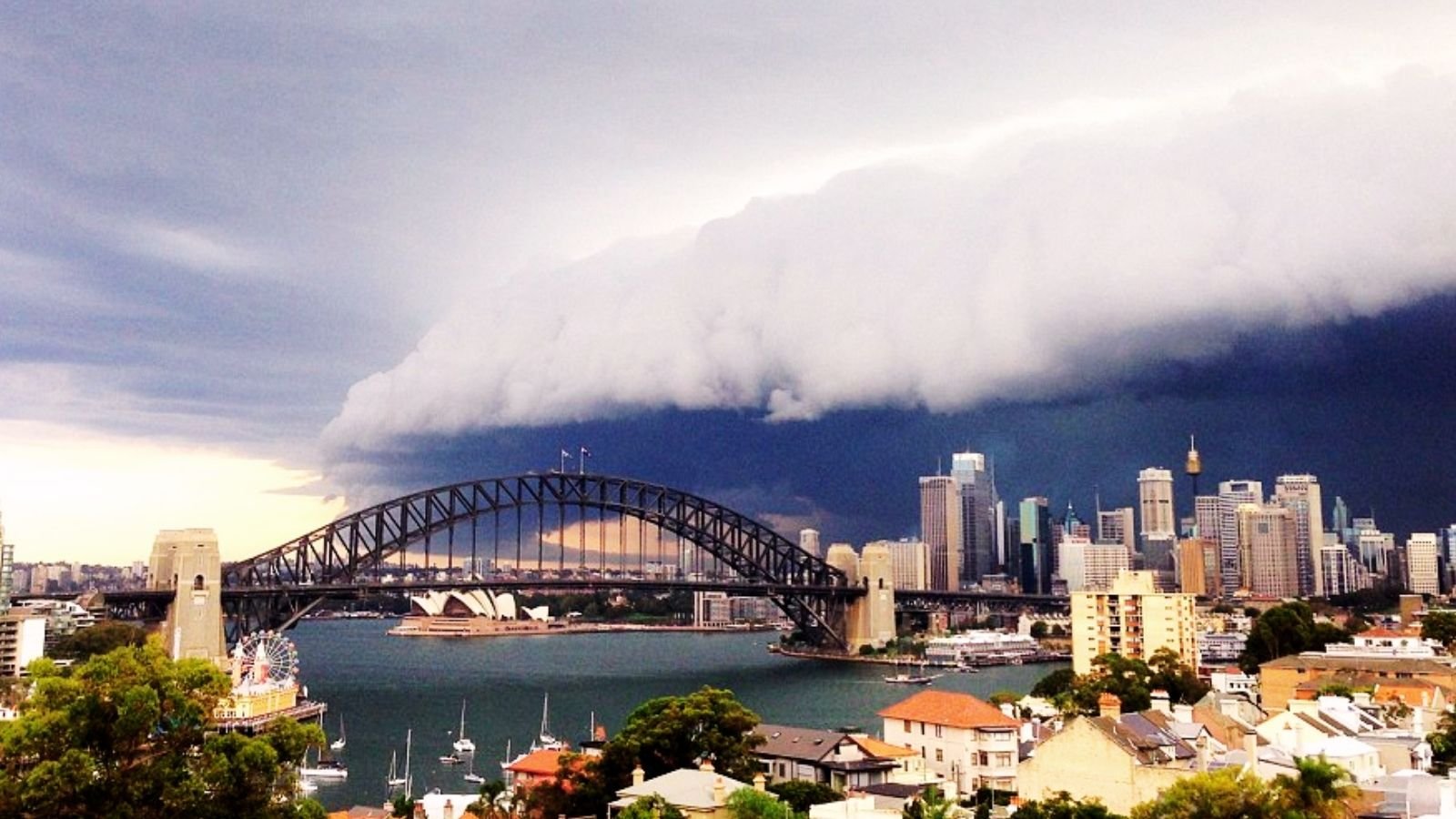
Health experts are urging Australians to be alert to the dangers of thunderstorm asthma as warmer weather brings higher pollen levels and storm activity.
Thunderstorm asthma occurs when storms break pollen grains into tiny fragments that are easily inhaled, triggering sudden and severe asthma symptoms. The risk is highest in New South Wales between October and December, when pollen counts and thunderstorms peak.
Professor Connie Katelaris, a specialist in allergy and clinical immunology, explained that the phenomenon requires very specific weather conditions. “Moisture and airflow during certain thunderstorms can expose people to high concentrations of pollen fragments,” she said. “This can cause wheezing, chest tightness, difficulty breathing and coughing. Symptoms may escalate quickly and become life-threatening.”
Authorities advise people with asthma or hay fever to monitor pollen forecasts, carry medication and seek medical help immediately if symptoms worsen.










+ There are no comments
Add yours