
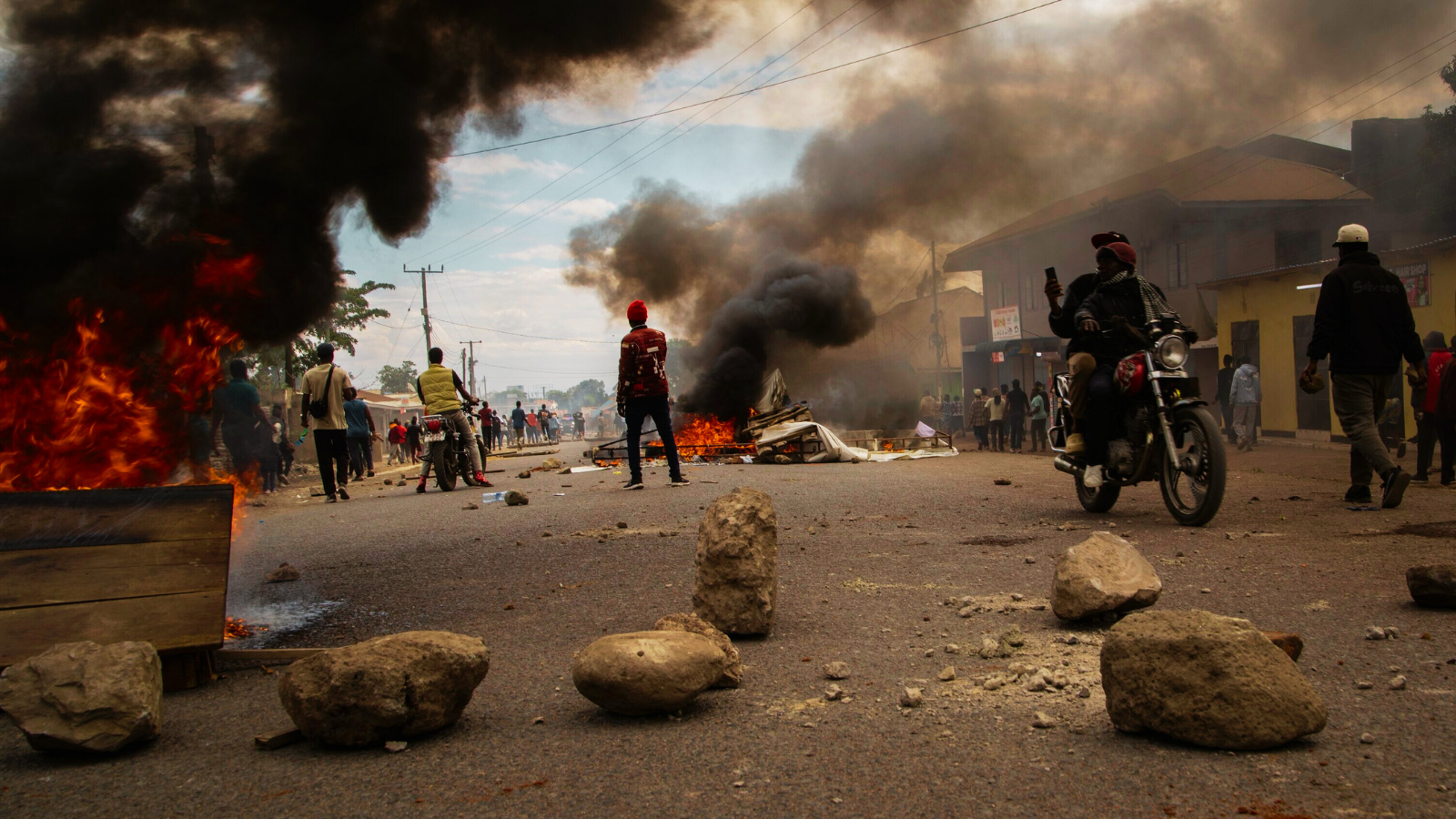
The African Union (AU) has declared that the integrity of Tanzania’s October 29 presidential election was “compromised,” citing widespread irregularities including ballot stuffing at several polling stations.
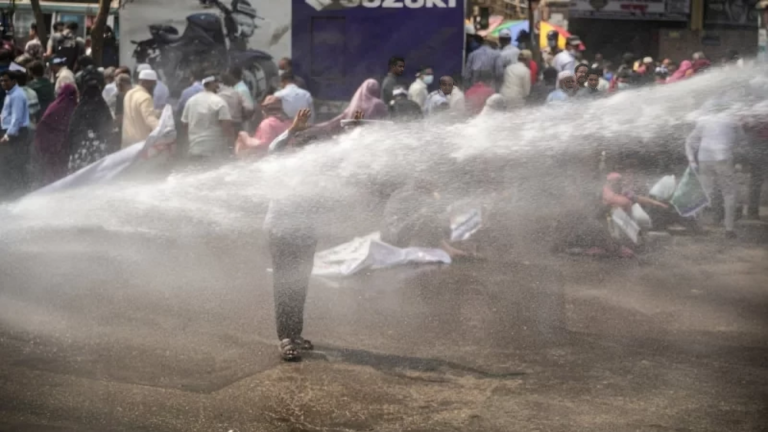
Official results showed President Samia Suluhu Hassan winning with 98 percent of the vote, but opposition parties were barred from participating and immediately branded the election a “sham.” The announcement triggered violent protests across the country, met with a harsh government response that included a nationwide Internet blackout, transport shutdown, and heavy security crackdowns. Opposition groups claim that hundreds of people were killed, though independent verification remains difficult due to restrictions on information flow.
The AU’s findings add to mounting international pressure on Tanzania’s leadership, with concerns that the election failed to meet democratic standards. Observers noted that the environment was not conducive to free and fair participation, pointing to intimidation, censorship, and excessive use of force.
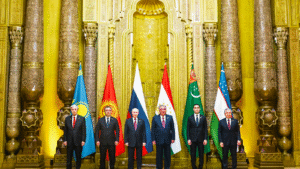
The unrest in Tanzania comes at a time when global powers are increasingly focused on Central Asia’s resource-rich landscape. The United States and European Union are seeking to diversify their supply of rare earths and reduce dependence on Beijing. The region’s vast reserves highlight its strategic importance: Kazakhstan is the world’s largest uranium producer, Uzbekistan holds giant gold deposits, and Turkmenistan is rich in natural gas. Meanwhile, Kyrgyzstan and Tajikistan are opening up new mineral sites.
Despite this competition, Russia remains firmly entrenched in Central Asia’s energy sector, relying on Soviet-era pipelines to supply hydrocarbons and expanding its influence through nuclear plant construction. At the same time, the region faces severe environmental challenges. Central Asia is among the most polluted regions globally and is hard-hit by climate change, with all five countries struggling to manage chronic water shortages.
The combination of political instability in East Africa and the strategic race for resources in Central Asia underscores the shifting global landscape. Tanzania’s disputed election highlights the fragility of democratic processes in parts of Africa, while Central Asia’s mineral wealth and climate vulnerabilities place it at the center of geopolitical competition.






+ There are no comments
Add yours