
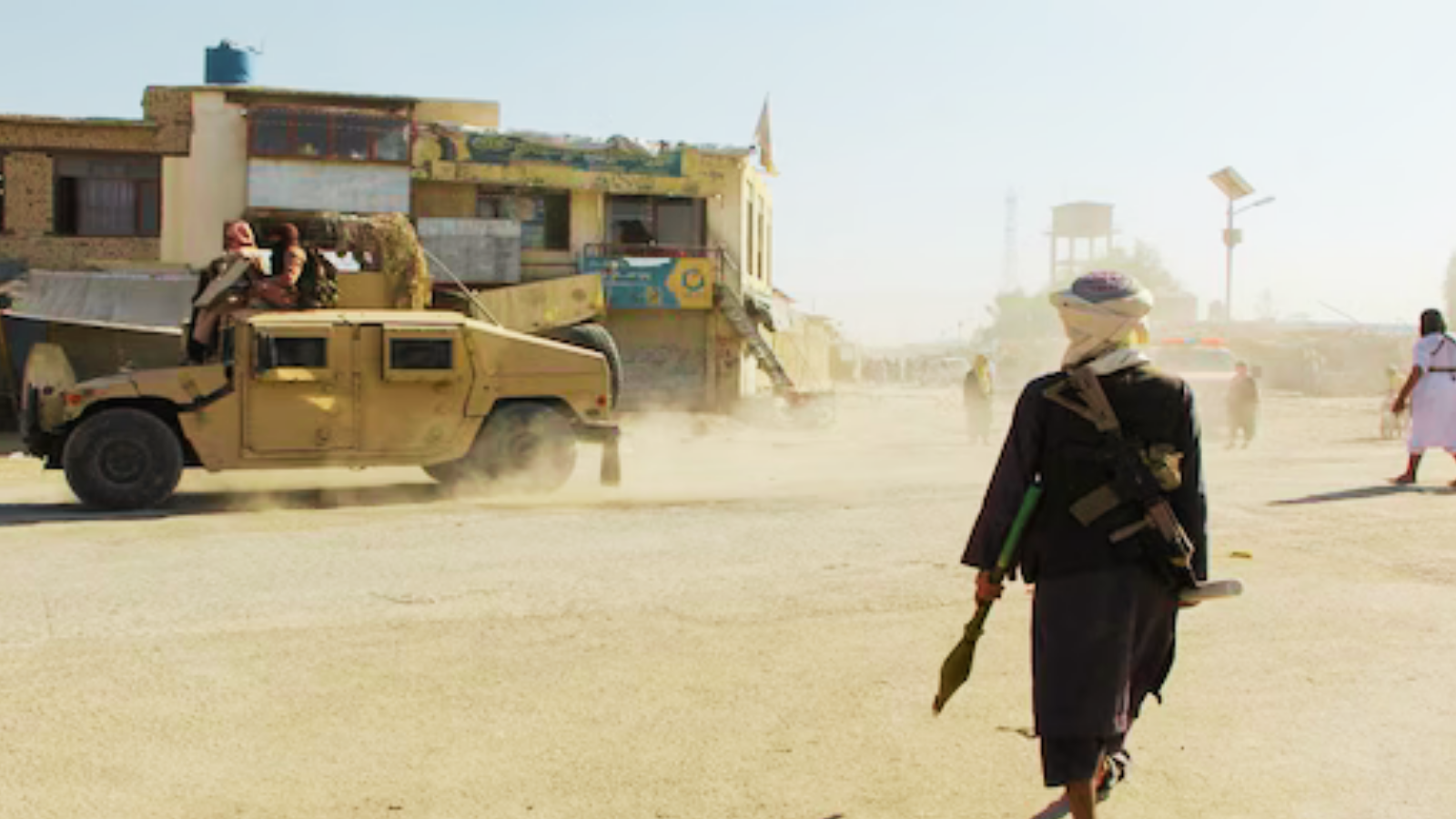
Afghanistan and Pakistan have reached an immediate ceasefire agreement following more than a week of intense cross-border fighting that left dozens dead and hundreds injured, Qatar’s Foreign Ministry announced on Sunday. The breakthrough came after high-level negotiations in Doha, mediated by Qatar and Turkiye, marking the most serious attempt in years to de-escalate tensions between the two neighbors.
According to the Qatari statement, both sides agreed not only to halt hostilities but also to establish mechanisms aimed at consolidating lasting peace and stability. Follow-up talks are scheduled in the coming days to ensure the ceasefire holds and to create a framework for preventing future flare-ups.
The delegations were led by the defense ministers of both countries, underscoring the gravity of the crisis. Pakistan said its priority in the talks was to secure “immediate measures to end cross-border terrorism emanating from Afghanistan and restore peace and stability along the border.” Afghan officials, however, rejected accusations of harboring militants, insisting that their forces were responding to Pakistani aggression.
The clashes, which erupted earlier this month, represented the worst violence between the two countries since the Taliban’s return to power in Kabul in 2021. Fighting centered around volatile border regions such as Spin Boldak in Kandahar, where airstrikes and artillery fire displaced civilians and strained already fragile humanitarian conditions.
Analysts say the ceasefire is a critical but fragile step, as both sides continue to trade accusations of supporting militant groups. The involvement of Qatar and Turkiye as mediators is seen as vital in maintaining dialogue, but the sustainability of the truce will depend on whether both governments can restrain their forces and address underlying grievances.
For border communities, the ceasefire offers a brief respite after days of fear and destruction. Yet uncertainty remains high, with residents wary that violence could resume if talks falter. International observers have urged both Kabul and Islamabad to seize this opportunity to pursue a long-term political settlement rather than returning to cycles of retaliation.
Tags: Afghanistan Pakistan ceasefire, Doha peace talks, Qatar Turkiye mediation, Afghanistan Pakistan border clashes, Spin Boldak violence, Afghan Pakistan defense ministers talks, cross-border terrorism dispute, Afghanistan Pakistan stability, Taliban Pakistan relations, South Asia regional peace.








+ There are no comments
Add yours