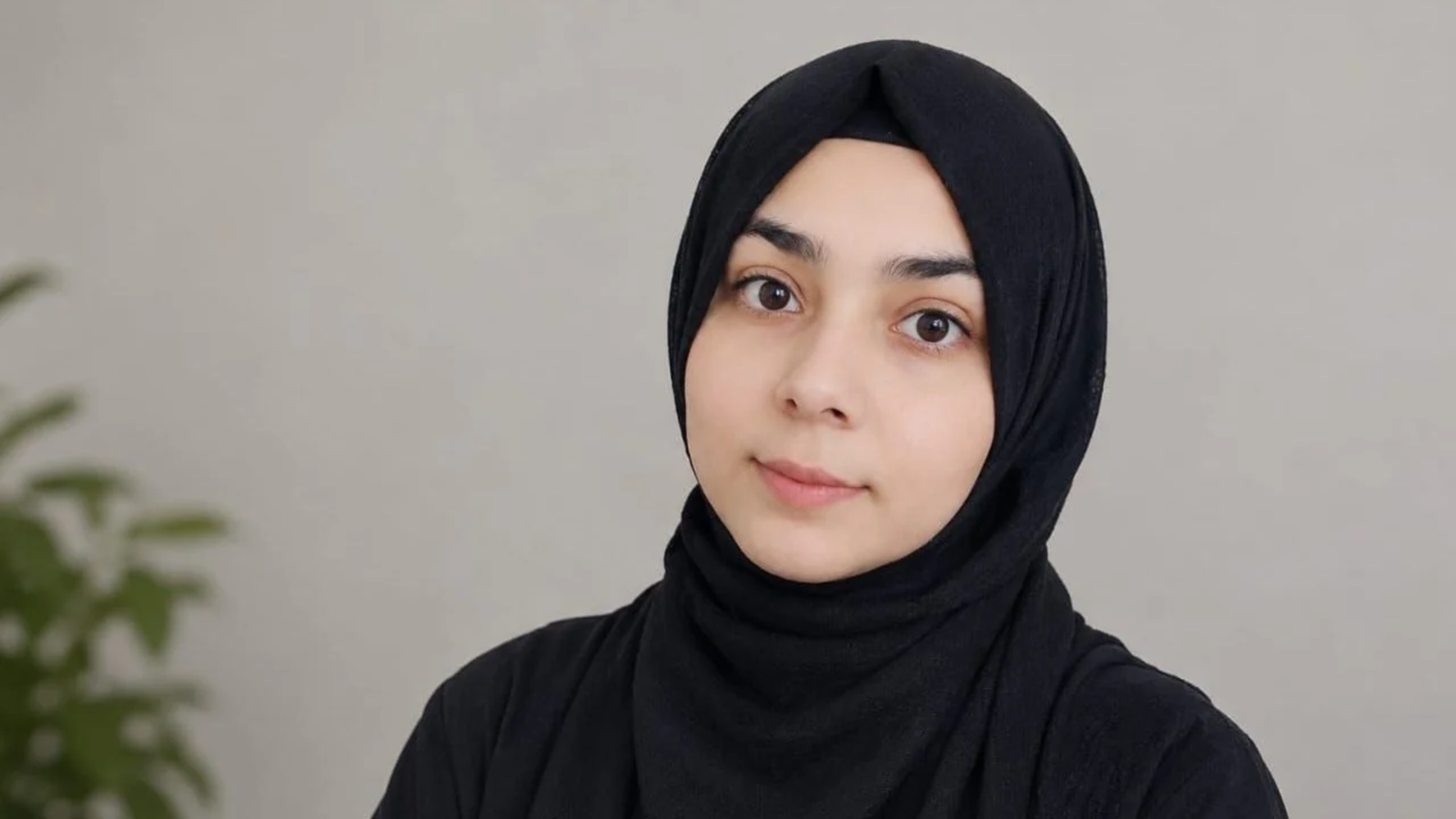
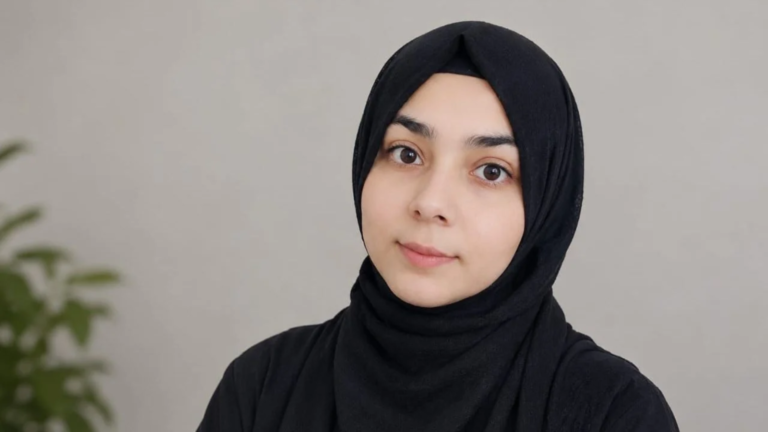
When Shahira Sadat received an invitation to interview for a prestigious Chevening Scholarship, she felt something she had not felt in a long time: hope.
The Kabul-based software engineer had spent three years fighting against the odds. Battling Taliban restrictions, jumping through endless bureaucratic hoops and working through frequent power and internet outages, she painstakingly prepared her applications for UK universities and grants.
“I was so happy. I can’t describe it because I allowed myself to dream about studying in the UK,” she says.
Her hard work paid off. Sadat secured three acceptance letters to study a master’s degree in artificial intelligence and machine learning, from the University of Sussex, the University of Bradford and Northeastern University.
But in March this year, her dream collided with a sudden policy shift. The UK Home Office announced an “emergency visa brake” on study visas for applicants from Afghanistan, Cameroon, Myanmar and Sudan. Skilled work visas for Afghans were also paused.
The government said the move was a response to widespread visa abuse and had been triggered by a sharp rise in asylum claims made through these visa routes. Home Secretary Shabana Mahmood said at the time she was “taking the unprecedented decision to refuse visas for those nationals seeking to exploit our generosity.”
The UK is not alone in closing its doors. Earlier in the year, the United States barred all visas for Afghan nationals.
For Sadat and many other talented young Afghans, particularly women who face severe limits on education and work under Taliban rule, the decision has shut one of the few remaining routes to opportunity, leaving years of determination and sacrifice hanging in the balance.



+ There are no comments
Add yours