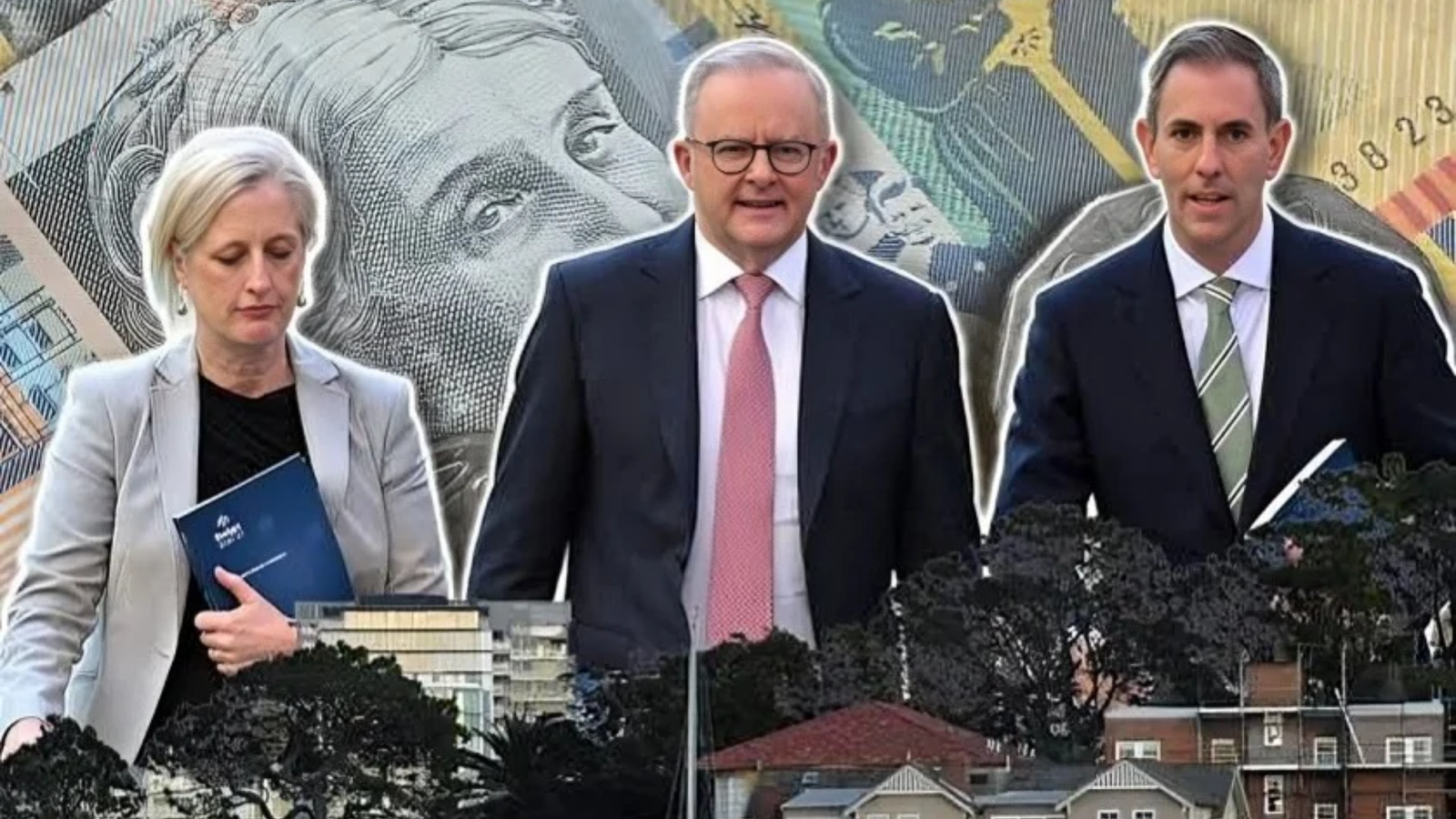
Australia’s housing crisis appears to be entering a new chapter, with policymakers shifting from discussion to implementation as governments pursue measures aimed at improving affordability and increasing housing supply.
After years of debate about soaring property prices and housing shortages, recent policy changes and economic conditions are beginning to reshape the market. Analysts say a combination of housing reforms, higher interest rates, and changing investment incentives is contributing to a noticeable cooling in housing activity.
A key milestone came three years ago when governments agreed to a national target of building 1.2 million new homes over five years. While housing experts believe the target may be difficult to achieve in full, many view the agreement as an important acknowledgment that increasing housing supply is central to addressing long-term affordability challenges.
Another significant development followed last year’s national economic roundtable, where housing affordability emerged as a major policy focus. The discussions helped strengthen support for housing measures aimed at encouraging owner-occupiers while reducing some investor advantages in the property market.
Economists note that affordability can generally be improved through two primary approaches:
- Increasing housing supply through new construction and higher-density development
- Reducing excess demand pressures in the housing market
Combined with the highest interest rates seen in nearly two decades, these factors have contributed to a slowdown in housing activity.
Recent figures have shown a sharp decline in new home lending, reflecting changing market conditions and reduced borrowing capacity among prospective buyers.
The developments have also reignited a longstanding debate within Australia: whether voters genuinely support housing affordability if it results in slower price growth or declining property values.
For years, experts argued that making homes more affordable for first-home buyers would inevitably affect the wealth of existing property owners whose assets have benefited from decades of price increases.
Political leaders are now facing that reality more directly.
The Federal Government has increasingly framed cooling property prices and improved affordability as a positive outcome for aspiring homeowners and younger Australians struggling to enter the market.
Meanwhile, government proposals aimed at increasing urban density are expected to become a major issue in upcoming state-level political campaigns.
In Australia’s two largest states, Labor governments are preparing to present higher-density housing plans to voters, arguing that increased construction and urban development are necessary to address chronic housing shortages.
Opposition parties, including the Liberals, are expected to challenge those proposals, betting that voters may be uncomfortable with rapid urban change, increased density, and declining property values.
Housing affordability remains one of the most significant economic and political issues facing Australia, with policymakers, homeowners, renters, and investors all closely watching how the market responds to the latest reforms.









+ There are no comments
Add yours