The United Kingdom Government is preparing to introduce a new Sharia-compliant student finance system, known as Alternative Student Finance (ASF), aimed at making higher education more accessible to Muslim students who avoid conventional student loans because of religious concerns surrounding interest payments.
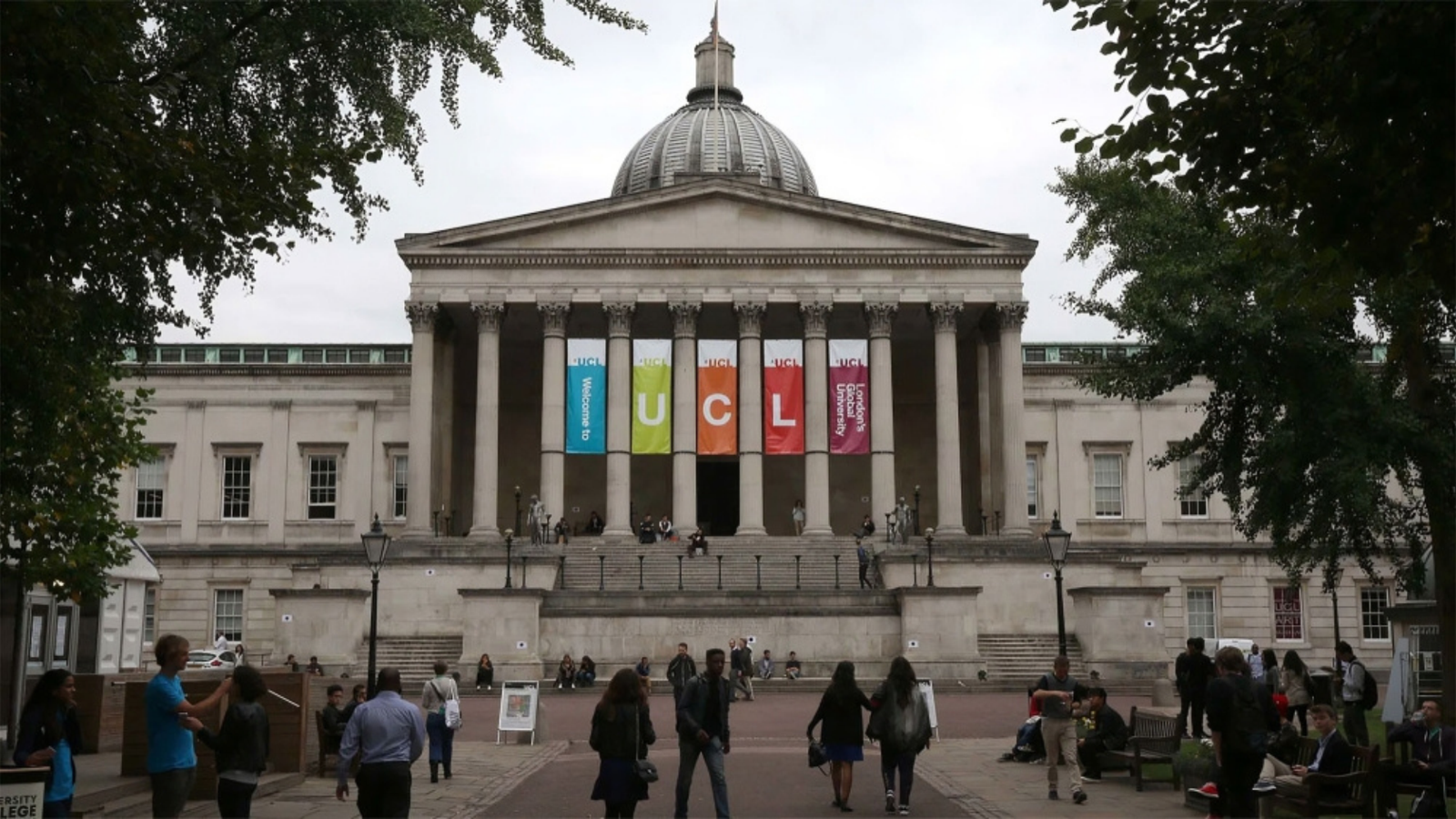
According to reports, several leading UK universities have already begun promoting the upcoming scheme to prospective students. However, the proposal has also sparked debate across Britain, with critics questioning whether a separate financial arrangement should be created on religious grounds.
The proposed system is expected to become available from the 2026–27 academic year, although the Department for Education (DfE) has not yet announced a formal launch date.
The initiative is designed to remove a barrier that many Muslim students believe discourages them from accessing higher education. Under Islamic Sharia principles, the payment or receipt of interest is prohibited, making conventional student loans problematic for some prospective students.
Unlike the existing student loan system, the new arrangement will not charge interest. Instead, it will operate under the Islamic finance principle of Takaful, a model based on mutual financial support and shared contributions.
Under the proposed structure, students will make a predetermined “contribution” rather than interest payments. The total amount repaid by participants will be equivalent to what students would repay under the traditional student finance system, ensuring that users neither gain a financial advantage nor face additional costs.
The key difference lies in how the funds are managed.
Under the current student loan system, repayments and interest are paid directly into the government’s general funding pool. Under the proposed Sharia-compliant model, contributions will be maintained separately and used to support future students participating in the Alternative Student Finance programme.
Supporters argue that the scheme will improve educational access and inclusion for Muslim students while maintaining fairness with the existing student loan system. Critics, however, have questioned whether creating a separate financing mechanism based on religious beliefs is appropriate.
The debate is expected to continue as the UK government moves closer to implementing the policy, which could provide thousands of students with a new pathway to access university funding without compromising their religious principles.











+ There are no comments
Add yours