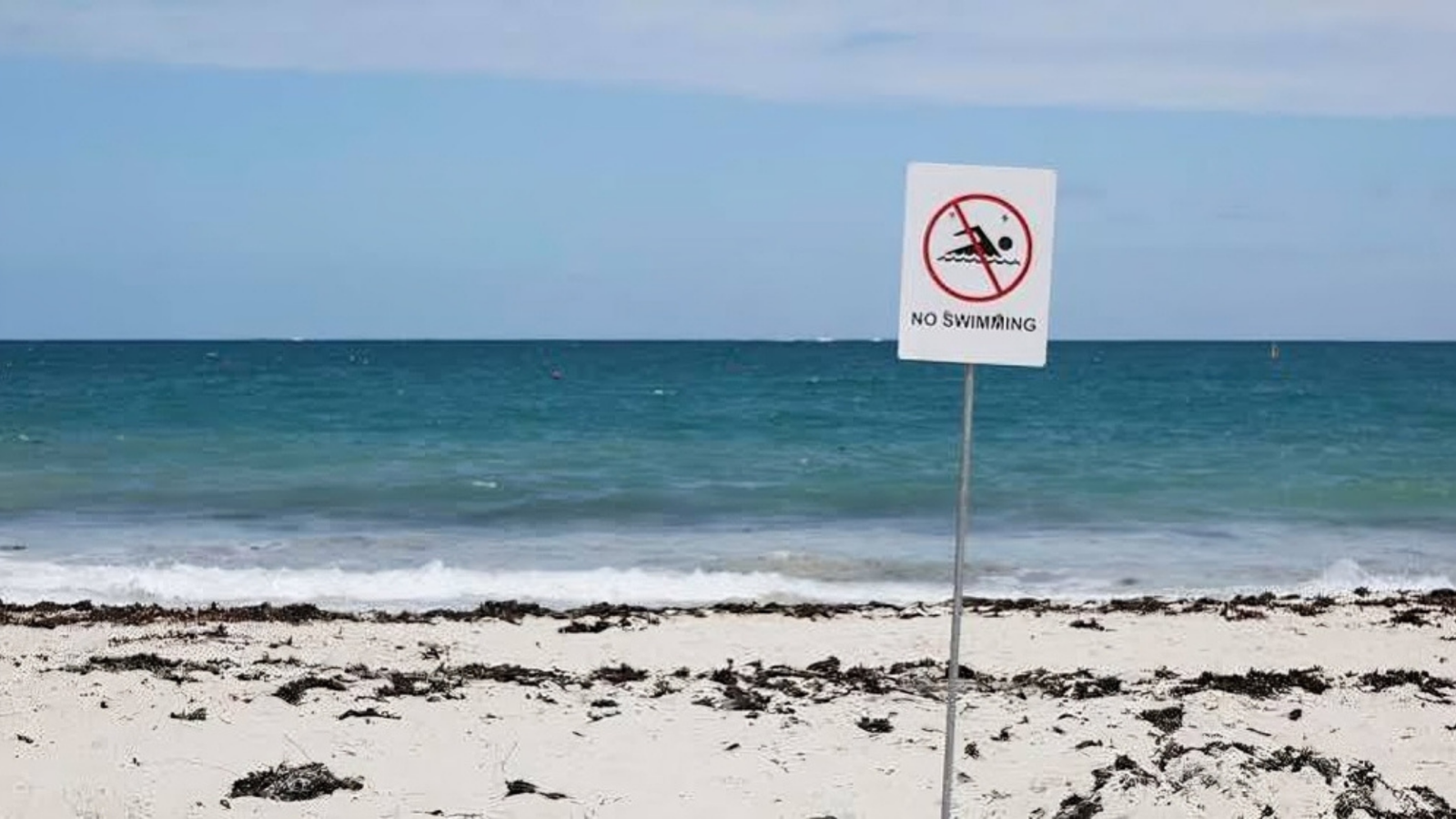
Authorities have closed Sorrento Beach and surrounding areas after whale remains were discovered offshore, prompting concerns about increased shark activity along Perth’s northern coastline.
The latest closure follows the discovery of a whale carcass near the shoreline, with local authorities removing the tail section of the remains shortly after surf lifesavers reported the sighting.
The incident marks the second whale carcass to wash up on Perth beaches this week and the third within the past month, raising fears that the presence of whale remains could attract sharks as beach attendance increases in the lead-up to summer.
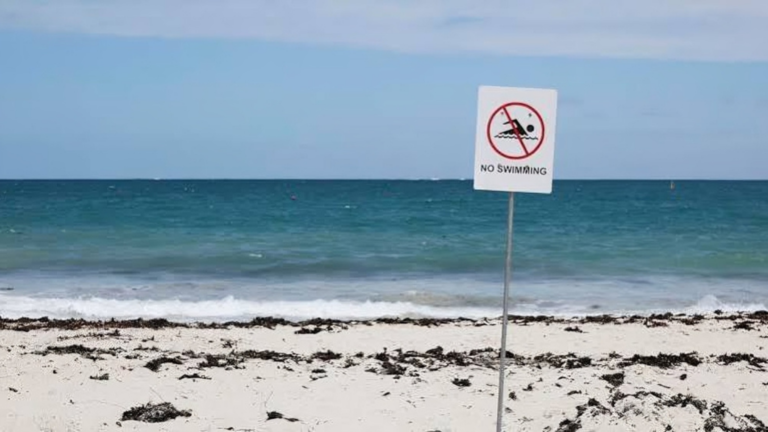
The City of Joondalup removed the whale remains from Sorrento Beach but advised that beaches in the area would remain closed as a precaution.
Officials warned that residual material left behind by the carcass could continue to attract sharks to the vicinity.
The warning comes just weeks after the fatal shark attack that claimed the life of Greg O’Neill, a Perth swimmer who was attacked by a large great white shark while swimming close to shore at Sorrento Beach in September.
Monitoring of the area is being coordinated by the Department of Primary Industries and Regional Development (DPIRD), with updates being provided through the government’s SharkSmart alert system.
Authorities are continuing surveillance efforts and assessing shark activity along the coast to ensure public safety before beaches are reopened.
The latest incident follows another whale-related beach closure earlier this week. On Thursday, a three-metre partially decomposed whale carcass washed ashore at South Cottesloe Beach, leading to the closure of nearby beaches while authorities removed the remains.
Those whale remains were later transported to and buried at the Red Hill Waste Management Facility.
Marine experts have long warned that whale carcasses can attract large sharks, including great whites, due to the strong scent and food source they provide.
Beachgoers are being urged to follow official warnings, check SharkSmart alerts before entering the water, and avoid closed beaches until authorities determine conditions are safe.






+ There are no comments
Add yours