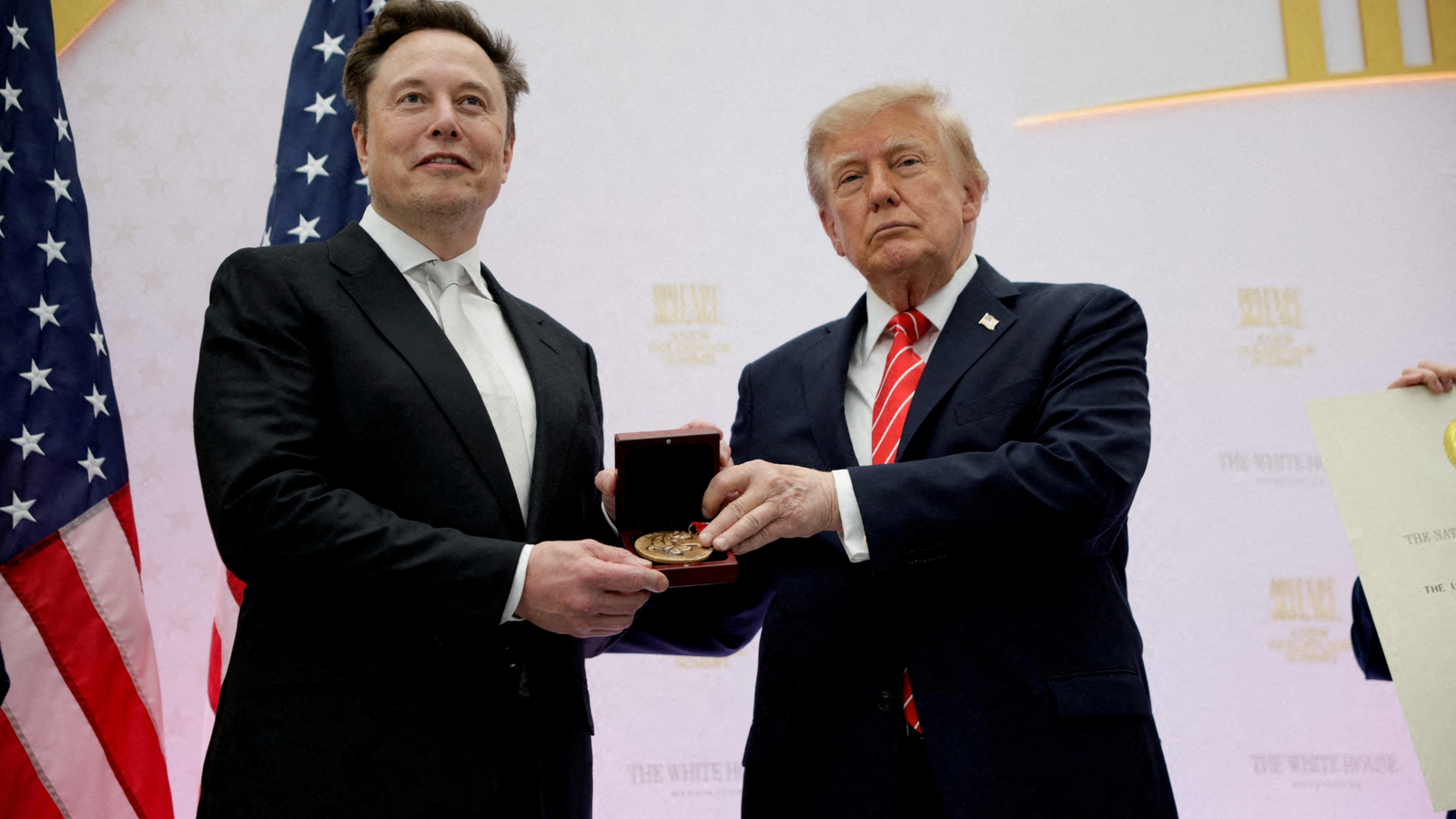
US President Donald Trump says Elon Musk has restored Ukraine’s access to Starlink satellite internet services, following reports that connectivity restrictions had disrupted critical military operations and communications on the battlefield.
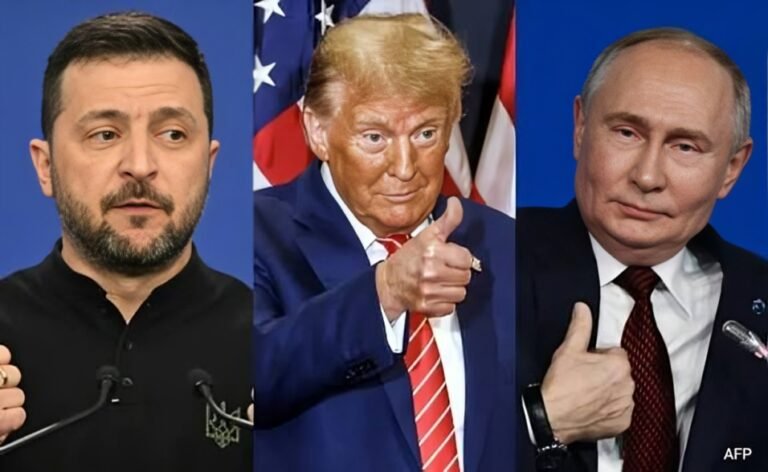
The comments came after Ukrainian President Volodymyr Zelensky stated that access to the military-grade Starshield network, which operates through Musk’s Starlink satellite system, had not yet been fully restored. The network plays a crucial role in maintaining communications, surveillance capabilities, and drone operations for Ukrainian forces.
The connectivity issues sparked concern in Kyiv, as the restrictions reportedly affected Ukraine’s ability to conduct drone missions against Russian targets and defend itself from incoming attacks. While questions mounted over the source of the disruption, Musk previously denied being responsible for the slowdown in service.
Trump declined to directly address reports that he had personally contacted Musk to request the restoration of access. However, he insisted the issue had been resolved, telling reporters: “Bottom line, he put it back.”
The Trump administration has also rejected claims that it instructed Musk’s company to impose restrictions on the service. The dispute over satellite communications has added another layer of tension to growing disagreements between Washington and Kyiv over military strategy and the direction of the war.
The connectivity controversy emerged as Trump increased pressure on President Zelensky to halt Ukrainian strikes on Russian oil refineries. Trump has argued that the attacks contributed to higher energy prices, a concern that has become increasingly significant ahead of next month’s US midterm elections.
In a move that has drawn criticism from Ukraine and several European allies, the Trump administration has also eased certain sanctions on Russia and approved an agreement allowing imports of Russian diesel into the US market.
Supporters say the measures are aimed at stabilising energy supplies, while critics argue they could weaken international pressure on Moscow.
The developments underscore the growing influence of satellite communications in modern warfare, where access to secure internet networks has become a decisive factor on the battlefield.
As fighting continues, the role of private technology providers and geopolitical decision-makers remains central to the conflict’s evolving landscape.






+ There are no comments
Add yours