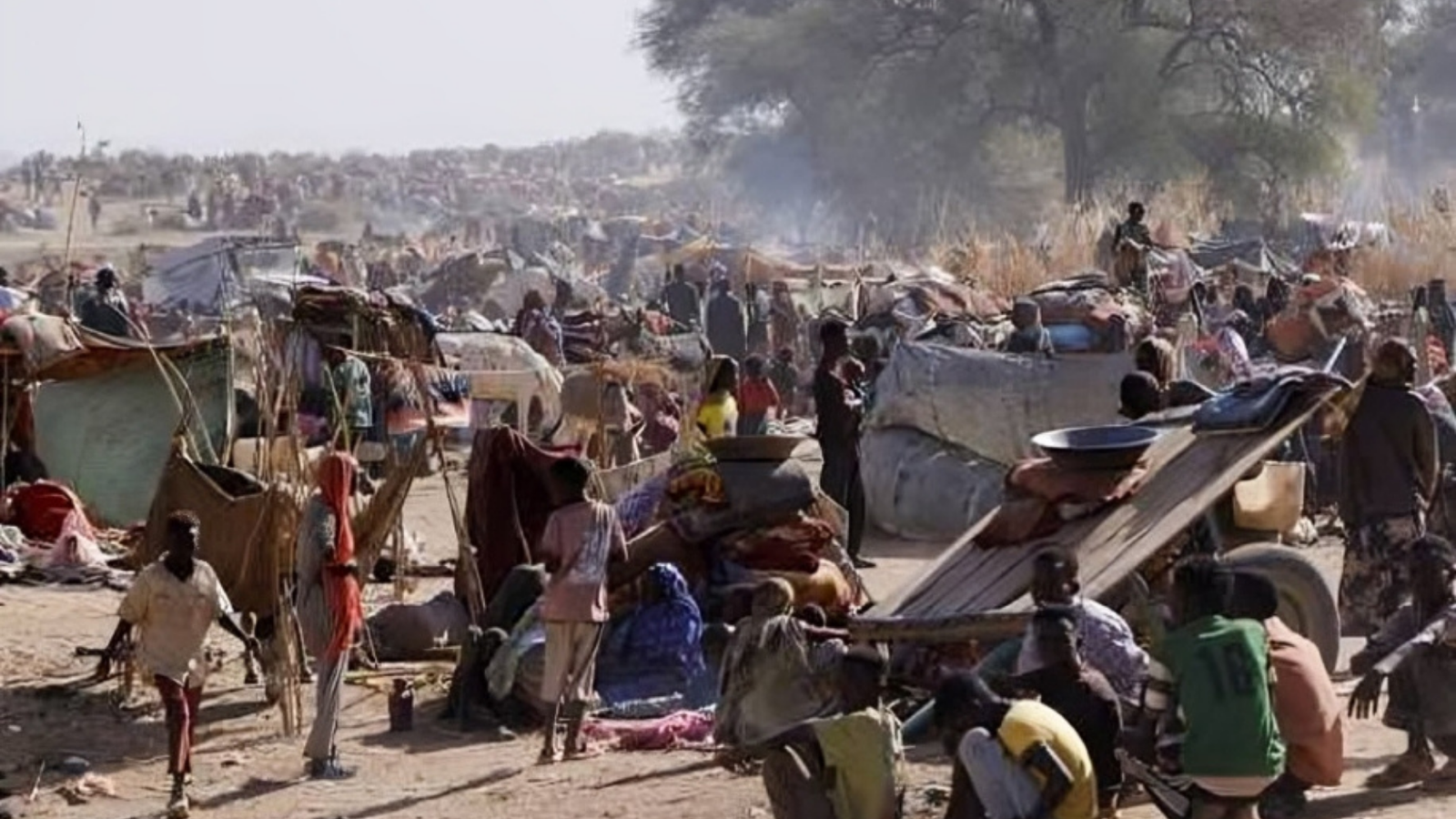
A devastating investigation has revealed the staggering human cost borne by medical workers in Sudan’s war-ravaged western city of El-Fasher, exposing a sustained campaign that left hospitals crippled and healthcare staff under relentless attack.
According to the findings, between April 2023 and October 2025, at least 120 medical workers were injured, 55 were killed, and 10 were forcibly disappeared or abducted during the conflict. The figures highlight the immense dangers faced by healthcare professionals attempting to provide lifesaving services amid one of the world’s most devastating humanitarian crises.
Speaking about the siege of El-Fasher, surgeon Dr Muhamed Suliman described what he viewed as a deliberate effort to dismantle the city’s healthcare infrastructure. He said the Rapid Support Forces (RSF) sought to force hospitals out of operation, striking at a system he called the backbone of any functioning city or state.
“The RSF started hitting these areas so citizens have no longer any way to stay there. It was intense. It was deliberate. It was planned,” Dr Suliman said, recounting the pressure endured by medical facilities and civilians trapped in the conflict zone.
The investigation comes a year after the fall of El-Fasher, a defining and particularly brutal chapter in Sudan’s civil war. The conflict erupted in April 2023, pitting the RSF against Sudan’s military and plunging the nation into widespread violence, mass displacement, and a deepening humanitarian emergency.
Healthcare facilities have repeatedly found themselves on the frontlines of the conflict, with hospitals struggling to remain operational amid attacks, shortages of supplies, and mounting security threats. Medical workers, often continuing their duties under extreme conditions, have faced the constant risk of injury, death, or disappearance.
Both the RSF and Sudan’s military have been accused of carrying out attacks on health facilities during the course of the war, drawing concerns from humanitarian organisations and international observers over the protection of civilians and critical healthcare infrastructure.
As Sudan’s conflict continues to leave deep scars across the nation, the experiences of El-Fasher’s doctors, nurses, and healthcare staff stand as a stark reminder of the human toll of war and the devastating consequences when hospitals become battlefields.






+ There are no comments
Add yours