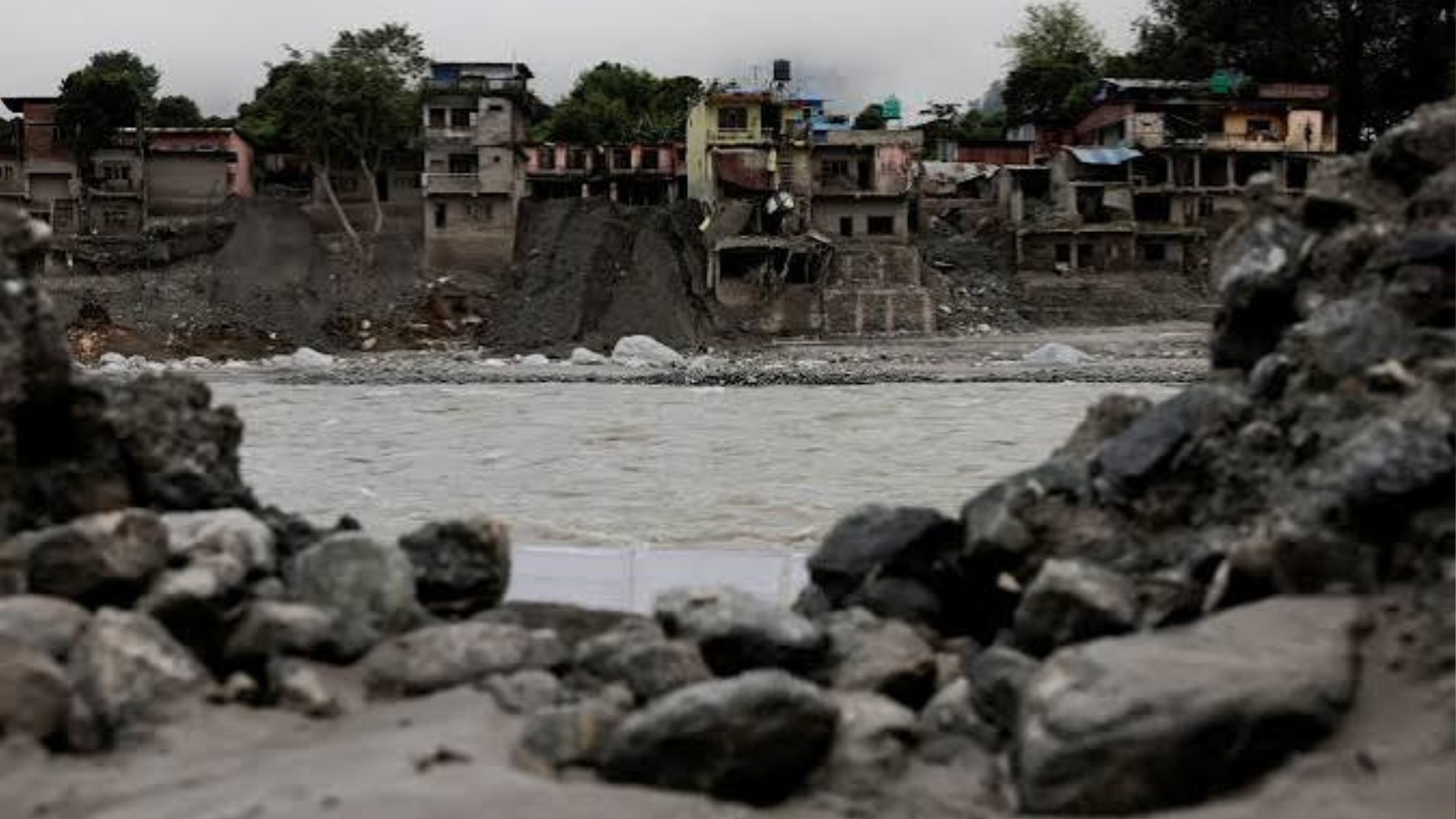
Nepal is set to begin a major climate resilience project aimed at reducing the threat posed by four high-risk glacial lakes in the Himalayas, following a recent disaster that claimed more than 1,400 lives.
Officials said the ambitious initiative will focus on lowering water levels in four mountain lakes considered among the country’s most dangerous. The effort is designed to minimize the risk of glacial lake outburst floods, which can occur when natural dams holding back large volumes of water suddenly fail, unleashing devastating floods downstream.
“Our aim is to lower the risk of the lakes breaching their natural dams and reduce the risk of downstream floods,” said Subash Tuladhar, an expert with a government research center responsible for overseeing the project.
According to authorities, the drainage work will be carried out through gated structures that allow water to be released gradually and safely. Sanjeeb Baral, executive director of the center, said the project will begin after detailed studies are completed and could take up to six years to finish.
The initiative will involve much more than reducing lake levels. Plans include the installation of monitoring sensors, the development of flood forecasting and early-warning systems, and efforts to strengthen the resilience of communities living downstream by improving disaster preparedness and response capabilities.
Engineers will construct canals that will release water into nearby rivers in a carefully regulated manner. However, officials acknowledged the project presents significant challenges due to the remote, high-altitude locations of the lakes. Workers will face risks associated with prolonged operations in thin air, as well as potential dangers from sudden flooding and unstable terrain.
Design and detailed assessment work for the lakes of Thulagi, Lower Barun, Lumding Tsho and Hongu II will begin during the fiscal year ending in mid-July 2027. Located at elevations ranging from approximately 4,050 meters to 5,483 meters above sea level, the lakes were identified in a 2020 report by the United Nations Development Programme (UNDP) and the International Centre for Integrated Mountain Development (ICIMOD) as among Nepal’s most potentially hazardous glacial lakes.
The estimated $50 million project will be funded by the Green Climate Fund, the UNDP and the Nepalese government. Tuladhar said Nepal already possesses the technical expertise and experience needed to successfully carry out such a complex undertaking.
Nepal has previously conducted similar risk-reduction projects. In 2000, authorities lowered the water level of the glacial lake Tsho Rolpa by about three meters to reduce flood risks. A decade ago, a comparable operation was completed at Imja Lake, near Mount Everest, demonstrating the country’s growing capability in managing glacial hazards.
Scientists warn that climate change is accelerating the melting of Himalayan glaciers, increasing the size of many glacial lakes and raising concerns about future outburst floods across the region. Nepal’s latest initiative is therefore being viewed as a critical investment in protecting lives, infrastructure and communities vulnerable to increasingly severe climate-related disasters.







+ There are no comments
Add yours